
Fan Club Merchandise Ideas and Sales Strategy
Explore fan club merchandise ideas, limited drops, member-only products, bundles, and ways to turn loyal fans into repeat buyers.

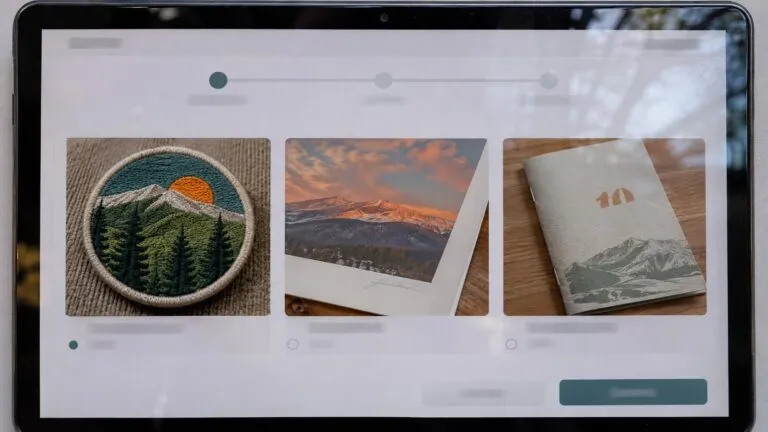
Close frontal view of an unbranded tablet displaying photographic choices for an embroidered patch, signed print and anniversary booklet.
Quick answer
Fan club merchandise sells belonging through objects fans want to keep, wear or share. Build around recognizable community references, meaningful anniversaries and clearly defined member benefits. Validate a small portfolio with priced offers, screen its contribution after costs, and connect physical purchases to access only when the access has independent value.
Choose fan club merchandise that means something
A fan who asks for the patch from a shared community joke is giving you a different signal from someone liking a logo mockup. Fan club merchandise turns that recognition into a tangible expression of belonging. For club operators, the decision is which shared meaning deserves a product, rather than how many objects can carry the brand.
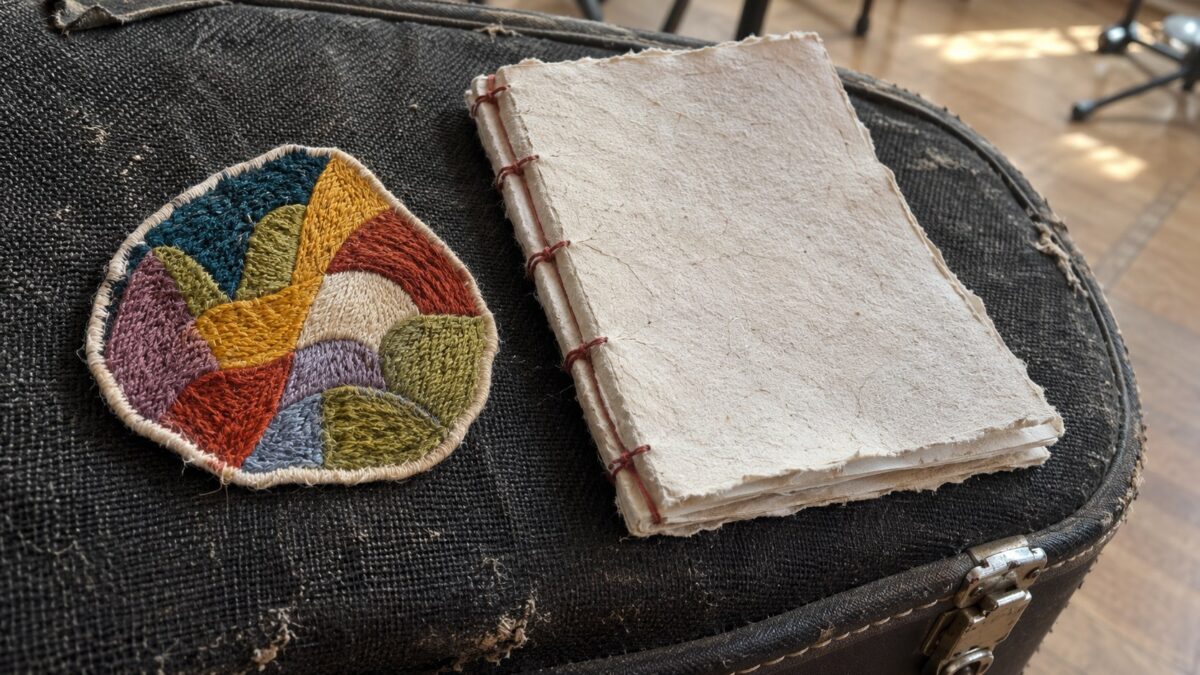
Consider a hypothetical independent music club planning its anniversary. The operator initially proposes a hoodie in several colors. During a member discussion, fans instead ask about a small emblem associated with the club’s earliest listening sessions. The discovery changes the brief: commemorate participation with an embroidered patch and an anniversary booklet, rather than make a larger apparel commitment.
Give each proposed item a job. An accessible emblem lets newer fans identify with the group; a milestone object records something returning members remember; a signed edition offers a personal connection. These roles can coexist without making every purchase a test of loyalty. Fans who cannot afford a premium object should still recognize themselves in the community.
| Community | Identity or milestone | Product idea | Effort / fan value | Validation signal |
|---|---|---|---|---|
| Music club | Shared listening history | Embroidered patch and anniversary booklet | Moderate sampling / recognition | Priced patch reservations |
| Illustrator community | Recurring original character | Signed print with process commentary | Signing and packing / personal connection | Chosen print at stated price |
| Gaming creator club | Memorable community challenge | Challenge emblem on a cap | Apparel variants / public identity | Size and price commitments |
| Author fan club | A completed story arc | Annotated reading companion | Editing and permissions / deeper access | Paid interest in the companion |
| Local sports supporters | Club anniversary | Commemorative scarf | Supplier sampling / shared history | Reservations at quoted price |
Use the matrix as a shortlist, not permission to print everything. Check ownership or permission for illustrations, lyrics, character designs and photography before commissioning samples. A reference can feel familiar to fans while still belonging to someone else. Remove an idea when its meaning needs a paragraph of explanation before a member understands why it exists.
Validate the offer before expanding the edition
Ask fans to choose a specific product at a stated price, with its materials and delivery conditions visible. An enthusiastic poll can identify a theme; it cannot establish whether the product is affordable or worth buying. Move from recognition to a decision that resembles the eventual purchase.
In the hypothetical music club, the operator presents a patch sample and booklet proof alongside the original hoodie concept. Members can register interest against each priced offer. The patch receives clearer commitments, while hoodie requests scatter across sizes and colors. That is a reason to narrow the initial portfolio, not evidence that apparel will never work.
Separate responses from current paying members, former members and public followers. They may value different things: recognition of tenure, a reason to return, or an introduction to the club. Compare commitments within each segment rather than treating a large public audience as interchangeable with active members. Ask nonbuyers whether the obstacle is price, design or lack of relevance.
Define edition rules before announcing scarcity. A member-only patch can mark an anniversary without becoming artificially rare: eligibility may be restricted while production follows valid orders. A numbered signed print has a different constraint because signing and numbering create work. State whether an edition can return, whether a later version will differ, and whether access depends on active membership at purchase.
Pre-orders suit the patch when demand must be known before production, provided the supplier can support the promise. Explain the order window, expected dispatch period, cancellation conditions and what happens if the production threshold is missed. Set that threshold from a supplier quote and available funds. Interest registrations are not orders, and advance receipts remain tied to an obligation to deliver.

Screen margin before adding signatures and access
Judge an offer by what remains after the costs it creates, including creator time and digital benefits. A high selling price does not rescue an item whose signing, packaging or access promise consumes the surplus. Compare versions on the same cost basis before selecting the premium option.
For a hypothetical planning calculation, assume the anniversary patch sells for $20, with $7 production, $2 packaging and handling, $1 payment costs and $1 reserved for replacements per sale. Assume buyers pay shipping separately at cost, with no shipping surplus. Contribution is $20 minus $7 minus $2 minus $1 minus $1, or $9 per patch, before fixed costs and tax.
Assume, still hypothetically, that artwork and sampling cost $180 upfront and all ordered patches sell. Dividing $180 by the $9 contribution gives a break-even volume of 20 patches. This simplified model excludes unsold stock because production follows orders; it does not call contribution net profit. If the supplier requires surplus units, include that cash commitment before accepting the quote.
The operator can now assess the booklet or digital access separately. For a bundle, subtract the physical costs and the incremental work required to deliver its access benefit from the total bundle price. A recorded commentary may add editing work; a private listening session adds scheduling and attendance obligations. Calling access a bonus does not make its delivery free.
Signed items deserve their own capacity screen. Time a sample signing and packing session, choose a sustainable allocation of creator time, and cap orders accordingly. Keep an unsigned option for fans who value the artwork itself. In our music club, the emblem already answers the strongest request, so a signed premium edition remains a later experiment rather than a compulsory launch feature.
After delivery, reconcile actual production, handling, replacements and payment costs against the estimate. Record contribution by offer and whether buyers return for another relevant product. Gross receipts alone cannot distinguish a healthy portfolio from a busy packing table. Keep the patch’s economics separate from membership receipts so subscription income does not quietly conceal a loss on merchandise.

Build a repeatable portfolio around membership
Keep a recognizable core item available, then add milestone or access-led offers when there is a reason for them. Repeat buying needs a new purpose, not merely a new color. The anniversary patch establishes an identity; the next product should earn its place through a different fan need.
Use this proposed release checklist before approving the music club’s patch. It captures the decisions that changed the original hoodie plan and gives the operator a reusable brief for later products.
- Name the intended member segment and the shared reference the item expresses.
- Approve a physical sample, necessary permissions and a priced commitment test.
- Define eligibility, reissue policy and any genuine production or signing limit.
- Calculate contribution, upfront exposure and the threshold for proceeding.
- Confirm dispatch expectations, cancellation terms and ownership of access delivery.
- Review delivered costs and buyer feedback before approving another edition.
Keep membership and ownership promises distinct. A fan may own a patch permanently while receiving temporary access to an anniversary commentary. Specify the access period and whether an existing subscriber receives the same content without another payment. Member-only products should reward participation without repeatedly charging members for benefits their subscription already includes. Give buyers a clear contact route when an order arrives without its access benefit. Assign responsibility before launch so the store operator and community manager do not send a paying fan back and forth.
Once the portfolio is settled, the fan merch store guide addresses the adjacent storefront decision. The music club now has a defined product, audience and edition policy to implement; it no longer needs a shop full of speculative variants. Store technology and fulfillment deserve their own evaluation rather than being hidden inside a merchandise brainstorming exercise.
If access becomes part of the offer, fan club software deserves a separate review: decide which subscription status unlocks which content, and who handles exceptions. A fan chat app is relevant when ongoing member conversation is itself a benefit. Neither decision should be triggered simply because an anniversary patch sold well; each adds a service promise to operate.

Connect the merchandise offer to the member experience
Start with the fan merch store guide above to resolve the physical sales workflow. If the offer also needs paid membership, exclusive posts or fan interactions, Scrile Connect provides a hosted, white-label platform under your own brand and domain, with subscriptions, paid content, messaging and creator earnings management.
Use Scrile Connect for the community and access layer while evaluating physical commerce separately. Confirm how purchase eligibility and digital entitlements will connect before promising a combined bundle; subscriptions alone do not establish a merchandise workflow.
Frequently asked questions
What is fan club merchandise?
Fan club merchandise is a physical product tied to a community’s identity, shared history or membership status. Its value comes from a reference fans recognize, alongside the quality and usefulness of the object.
Which merchandise ideas suit a new fan club?
Start with an item whose meaning members can explain, such as a patch based on a shared emblem or a print tied to an original creative project. Validate the actual design and price before extending the range.
Should all merchandise be exclusive to members?
No. Public items can introduce the community, while member-only editions recognize participation. Define eligibility clearly and keep premium purchases separate from a fan’s right to belong.
How should an anniversary edition differ from regular merchandise?
Connect it to a specific shared milestone through artwork, archival material or a commemorative format. Explain its reissue policy rather than relying on an unexplained claim of rarity.
Are pre-orders better than holding inventory?
Pre-orders can establish demand before production, but require credible delivery and cancellation terms. Inventory makes immediate dispatch possible while leaving the operator exposed to unsold products. Supplier constraints determine which commitment is practical.
What can a physical and digital bundle include?
A booklet might accompany a recorded commentary or a print might accompany process posts. Define access duration, delivery work and existing member entitlements before pricing the bundle.
How do you decide whether signed items are worthwhile?
Measure the signing and packing work, allow for handling damage, and assess the premium against those costs. Limit the edition to a sustainable workload and retain an unsigned option where appropriate.
Can Scrile Connect manage physical merchandise fulfillment?
Scrile Connect provides branded subscriptions, paid content and fan interactions. Evaluate physical inventory, order handling and shipping separately, and confirm any connection required between the merchandise store and membership platform.
