
Cost to Create a Virtual Influencer in 2026: Full Breakdown
How much does it cost to create a virtual influencer in 2026? From $500 DIY setups to $20,000+ scalable products, this guide breaks down real expenses, tools, and hidden costs. Learn how to budget smartly and explore how Scrile AI helps build fully monetizable AI influencer platforms.

how much does it cost to create a virtual influencer
In 2026, how much does it cost to create a virtual influencer? Roughly $500 to $5,000 for a simple image-based setup, $5,000 to $20,000 for a more polished character, and $20,000+ if you’re building something with video, voice, automation, and monetization. Most of the budget goes into four areas: design, AI tools, content production, and promotion. The common mistake is spending everything on the avatar and leaving nothing for content flow and growth.
So, how much does it cost to create a virtual influencer in 2026? Most people expect a neat number. In reality, it’s a sliding scale that depends on how far you want to push the idea.
At the low end, you can build a decent-looking persona using tools like Midjourney and a few editing apps. That kind of setup is cheap. Think dozens of dollars per month and a lot of manual effort behind the scenes. It works for testing ideas, posting images, maybe growing a small audience.
Now zoom out to something more serious. A character that posts video, speaks with a consistent voice, reacts to comments, and runs like a brand. That version is not just a set of images. It’s a stack of tools, content workflows, and ongoing production. Costs climb fast because you’re building continuity, not just visuals.
That’s why the question isn’t only about the first spend. It’s about what kind of asset you want to end up with. And if the goal is to turn it into a real product, many teams move away from scattered tools and look at solutions like Scrile AI, where the focus is on building a complete, monetizable AI-driven character from the ground up.
What Actually Drives The Price Up or Down
The range exists because not all virtual influencers are built the same. Some are closer to a curated photo feed. Others behave like a full digital personality with memory, tone, and content rhythm. That difference alone reshapes the budget.
A simple persona is cheap to maintain. You generate images, pick the best ones, and post. There’s no real continuity beyond appearance. Once you start aiming for a believable character, costs rise. You need consistency across posts, reactions to trends, sometimes voice, sometimes video. That means more tools, more iterations, and more time spent keeping everything aligned.
When people ask how much does it cost to create a virtual influencer, they usually underestimate how many moving parts are involved. There are four main cost levers:
- visual design and identity
- AI tools for images, video, and voice
- content output each month
- marketing and audience growth
Each one scales differently. You can keep tools cheap and still spend heavily on promotion, or do the opposite and rely on organic reach.
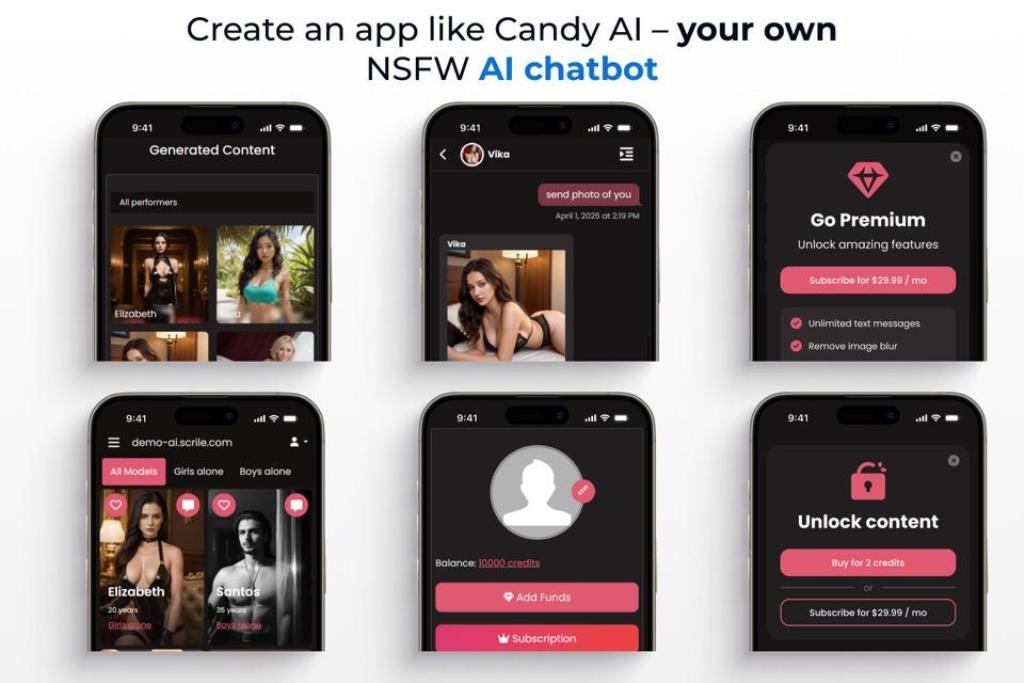
There’s also a separate angle where AI influencers are used in more niche formats. Services like Candy AI show how these personas can generate revenue through subscriptions, chat, or direct interactions, not just brand deals. That shifts the economics completely and introduces things like influencer digital virtual payments into the model.
2026 Market Prices By Cost Bucket

The easiest way to understand the budget is to break it into actual tools and what they charge today. This is where rough estimates turn into real numbers.
Design And Image Generation
For visuals, most creators start with tools like Midjourney. Pricing is straightforward: Basic is $10/month, Standard $30/month, Pro $60/month, and Mega $120/month. That already covers a huge portion of early-stage needs.
If you’re working via APIs, OpenAI’s GPT Image generation starts at around $0.011 per 1024×1024 image on low quality, with higher resolutions costing more. On paper, this looks almost free. You could generate hundreds of images for just a few dollars.
But that’s where expectations break. Generating 300 images to “find the face” is cheap. Getting 30 consistent images that look like the same person across different scenes is where time and cost pile up. Prompt refinement, fixing small inconsistencies, and manual selection often take longer than the generation itself.
This is exactly why how much does it cost to create a virtual influencer rarely matches the raw tool pricing.
Video And Voice
Video is where budgets start to stretch. Runway’s Standard plan sits at $12 per user per month (billed annually) and gives 625 credits. That translates to roughly 25 seconds of Gen-4.5 video or about 52 seconds of Gen-4. The Unlimited plan jumps to $76/month, while API usage is around $0.01 per credit.
Voice looks cheap at first glance. ElevenLabs offers a $5/month Starter plan with 30,000 credits. Creator is about $11/month after the first billing cycle, and Scale jumps to $330/month for 2 million credits.
The catch is usage. Once you start producing regular voice content or interactive features, those “cheap” tools turn into steady monthly costs. Voice, more than visuals, is where many simple projects quietly become ongoing expenses.
Where The Money Really Goes: Development, Content, Promotion
At a glance, most people think the budget is all about creating the character. In practice, that’s just one part of the equation. The real spending spreads across production, distribution, and ongoing management.
- Character design usually takes a noticeable share early on, but it stabilizes quickly once the visual identity is locked and reused across content. The bigger cost comes from maintaining consistency rather than creating the first version.
- AI tools feel cheap individually, yet combined they form a recurring stack that grows with output. Image generation, video tools, and voice systems all scale with usage, not just subscriptions.
- Content production is where time turns into money. Even if generation is fast, editing, refining, and aligning posts into a coherent feed requires steady effort.
- Promotion often ends up being the largest variable cost. Without traffic, even the best-looking influencer won’t move, so paid ads or collaborations become unavoidable.
- Management and moderation appear later, especially if the project includes interaction, comments, or private messaging. This becomes critical for anything beyond passive content.
- Platform or development costs only matter if you go beyond social media. If the goal includes subscriptions or influencer digital virtual payments, this layer becomes essential.
Typical 2026 budget allocation by project type
| Cost Area | Lean Solo Setup | Growth Brand Character | Own Platform Business |
| Character design | 35% | 25% | 20% |
| AI tools | 25% | 30% | 25% |
| Editing / post-production | Included in tools | 15% | 10% |
| Paid promotion | 30% | 30% | 20% |
| Management / moderation | Minimal | 10% | 10% |
| Platform / development | 10% | 0–5% | 35% |
| Best for / Use case | Testing a niche, experimenting with content, and validating audience response with minimal investment | Building a recognizable brand persona with consistent content and potential for sponsorship deals | Launching a monetizable AI influencer product with subscriptions, paid interactions, and full control over the platform |
What a Realistic Starter Budget Looks Like
Numbers make this clearer than theory. Here’s what a simple first-month setup can look like in 2026.
- Midjourney Standard: $30
- ElevenLabs Starter: $5
- Runway Standard: $12
- Instagram test ads: $300
- Extra editing, asset cleanup, Canva, misc: $100–$250
That puts a rough starting budget around $447–$597. This is enough to generate visuals, test content, and see if the concept gets traction.
Now scale it slightly.
- Freelance visual identity and style guide: $500–$2,000
- 20 short AI video clips with revisions and editing: costs rise quickly
At this point, a realistic first month lands closer to $1,500–$4,000.
What matters here is validation. If this budget brings early traction — follower growth, engagement, or even the first paid interactions — it makes sense to keep investing. If it only produces content without audience response, it’s a signal to stop or rethink the approach.
This is usually where people start asking are influencers worth it. The tools are affordable. The real cost comes from making the content consistent and getting it in front of people.
Hidden Costs That Ambush First-Time Founders
The visible budget is only half the story. Most projects don’t fail because tools are expensive. They fail because small, repeated costs stack up fast.
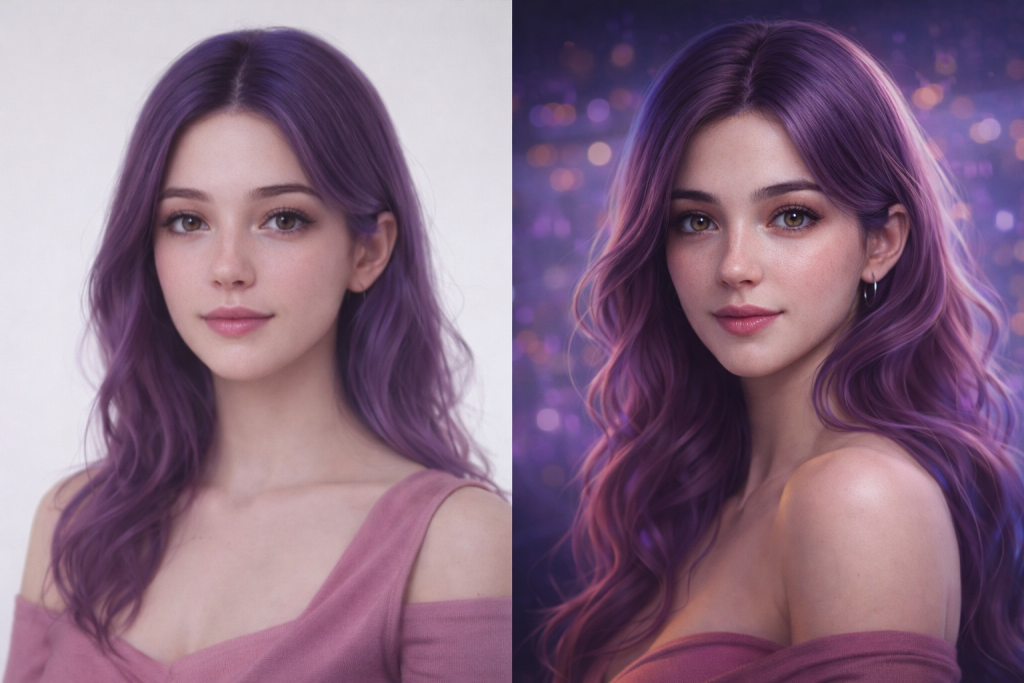
Continuity is the first trap. Keeping the same face, body, and tone across dozens of posts is harder than it looks. Small inconsistencies break the illusion, and fixing them takes time or extra tools. Video adds another layer. A 10-second clip can take multiple generations, edits, and retries before it feels usable.
There’s also compliance. In 2026, disclosure rules are getting stricter, especially in Europe. Synthetic content often needs to be labeled clearly, and skipping that can create legal problems. Scrile’s own materials highlight how important this has become for commercial projects.
Other costs are less obvious but just as real. Ad spend that doesn’t convert, copyright risks around generated content, and moderation if the persona interacts with users. And if everything depends on third-party tools, you’re exposed to pricing changes or limits you don’t control.
Are Influencers Worth It?
The numbers around virtual influencers sound almost too good at first glance. Some of the most well-known digital personalities are already generating serious revenue.
“Since her debut in 2016, Lil Miquela has earned an average of $2 million a year…”
— Harvard Business Review
That kind of example is what pulls people into the space. It shows what’s possible when a character is treated like a long-term asset rather than a one-off experiment.
The broader market is moving in the same direction.
“The virtual influencer market is projected to reach $45.88 billion by 2030, growing at over 40% annually.”
But these figures don’t mean every project works out.
So, are influencers worth it? Sometimes. A collection of polished images is not a business. It might grow an audience, but it rarely generates stable income on its own.
The economics start to make sense when the character becomes part of a system. Content is produced regularly. There’s no dependency on a human schedule. And revenue goes beyond brand deals into subscriptions, private content, or direct interactions.
That’s the difference between a page that looks good and one that actually earns.
Building a Scalable Setup With Scrile AI Instead of a Tool Stack
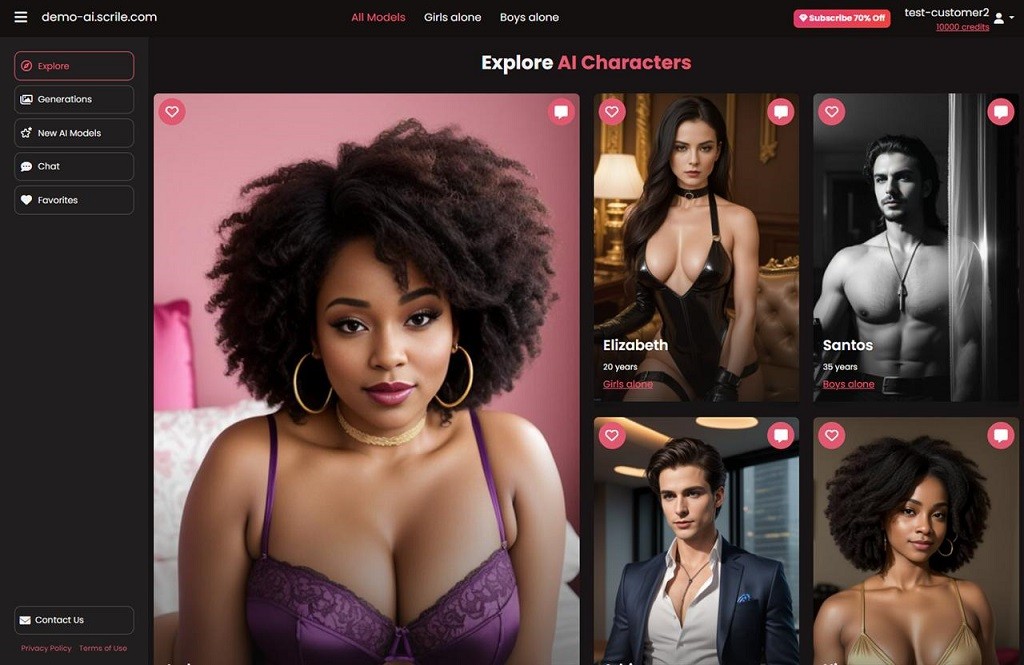
At some point, the question stops being about content and becomes about structure. Many creators start with separate tools for images, video, and voice. It works, but costs grow in hidden ways: subscriptions stack, workflows stay manual, and monetization is often missing.
This is why how much does it cost to create a virtual influencer depends not only on tools, but on how the system is built.
Scrile AI takes a different approach. It’s a development service focused on building a full virtual influencer product, not just generating content.
- Custom AI characters with consistent identity and behavior
- Built-in chat and interaction logic for user engagement
- Monetization options like subscriptions and paid content
- Admin tools to manage users, content, and revenue
- Scalable architecture without relying on multiple third-party tools
This is also why Scrile is often used for Candy AI-style projects, where the influencer itself becomes a monetizable product rather than just a social media profile.
What Budget Fits What Goal?
- Under $1,000 — good for testing. You can build visuals, post consistently, and see if the niche responds without heavy risk.
- $1,000–$5,000 — enough to launch a more believable character with regular content and basic growth strategy. This is where things start to look consistent.
- $5,000–$20,000 — a serious setup. You add video, voice, and structured content, turning the account into a recognizable brand.
- $20,000+ — full-scale product. You’re building infrastructure, monetization, and automation, not just content.
Conclusion
So, how much does it cost to create a virtual influencer? Less about the first image, more about what you expect the character to do. A cheap setup works for testing ideas. A real business needs consistency, content systems, and distribution.
If your goal goes beyond posting and into monetization, it’s worth looking at structured solutions. Explore Scrile AI solutions to see how a custom-built virtual influencer can turn into a scalable product.
FAQ
How much does a virtual influencer cost?
A human influencer can charge anywhere from $10,000 to $250,000+ per post at the high end, while a virtual influencer usually costs about $1,000 to $15,000 to build and much less to run per post. That makes the digital version more reusable as a long-term asset.
How to create a virtual influencer?
Start with a persona, then generate visuals with tools like Midjourney or OpenAI, add voice or video through Runway or ElevenLabs, and build a content workflow around it. After that, publish, test, refine, and grow the audience.
How much does it cost to create an AI influencer?
If you’re asking how much does it cost to create a virtual influencer, the realistic range is about $500 to $5,000 for a simple setup, $5,000 to $20,000 for a stronger branded character, and more for custom business infrastructure. AI influencers are cheaper to scale than human creators, but they still need content, promotion, and maintenance.
What is the cheapest way to create a virtual influencer in 2026?
The cheapest option is a DIY stack with image generation, light editing, and small ad tests, usually under $500 to $1,000. The trade-off is weak consistency, limited video, and a brand that can feel disposable.
Do virtual influencers require monthly expenses?
Yes, usually for tools, ads, editing, and content production. Even a small project often needs at least $50 to $500 per month, and the number grows with output.
Can you monetize a virtual influencer without brand deals?
Yes, through subscriptions, private content, chat, and influencer digital virtual payments. That is why Candy AI-style models get attention: they monetize direct user access, not just sponsorships.
Is it cheaper to build or hire a virtual influencer agency?
Building it yourself is cheaper at the start, but it takes more time and trial and error. Agencies or custom development cost more upfront, often from $10,000+, but they reduce setup friction and can deliver a stronger system faster.
What is the biggest mistake when budgeting a virtual influencer?
Most people spend too much on the avatar and too little on promotion, workflow, and consistency. The face is the easy part; keeping it useful month after month is what costs money.
