
Artist Community Platform: Build a Fan Hub
Learn how an artist community platform helps creators host fans, sell memberships, share exclusive content, launch merch, and grow direct relationships.


Open handmade fan zine with layered blue, orange and purple illustrations, exposed binding and textured paper on a worn green cutting mat.
Quick answer
An artist community platform gives fans, collectors and patrons a branded place to participate, discover each other and support creative work. Choose a participatory hub when member contributions matter between releases. Define groups, access rules and moderation before choosing software; a paid content feed alone may need a simpler setup.
When an artist community platform earns its place
Fans reply to your release announcement, but can they find each other afterward? An artist community platform is an owned space for fans, collectors, patrons and superfans to build relationships around creative work. Its reason to exist is participation that survives the announcement.
Consider a hypothetical independent illustrator, Mara, preparing a serialized illustrated story. She initially plans a paid feed of finished pages and studio updates. During a small invitation pilot, readers instead trade printing techniques and compare interpretations of recurring characters. Their useful conversations disappear beneath each new post. Adding more exclusive illustrations would increase her workload without fixing that problem.
Mara now has a reason to build an artist community website: readers need persistent places to contribute and discover related work. Her proposed model combines a public introduction, a member discussion space and paid studio access. A subscription feed serves people who want her output; direct chat serves a conversation with her. The hub must also serve conversations she does not personally attend.
Ownership needs an operational definition. Before signing, ask who controls the domain, member records, content exports and permission to contact members. Test what an export contains and how cancellation affects access. A branded address alone does not establish portability. For a deeper ownership checklist, community platform for creators explores what to retain when your audience joins a hosted service.
| Artist format | Member contribution | Paid offer | Operating boundary |
|---|---|---|---|
| Musician listening circle | Interpret demos; organize local listening groups | Exclusive recordings and scheduled live sessions | No promise of personal replies |
| Writer reading room | Discuss chapters; label spoilers; recommend related reading | Draft archive and editorial conversations | Separate critique from unsolicited rewrites |
| Visual artist studio club | Share process studies; discuss materials and collections | Studio archive and early print drops | Require permission before reposting work |

Build discovery and boundaries into the membership
Design the community around a repeatable member action: introduce a project, respond to a discussion or contribute a process study. Profiles and groups matter when they help members find relevant people and conversations, rather than simply decorate an account page.
In Mara’s revised pilot, a newcomer selects an interest such as collecting prints or making illustrations, then finds an active discussion attached to it. Start with topic spaces that have a clear purpose; create another group only when an existing conversation needs a separate home. Empty rooms do not become welcoming because the navigation is impressive.
Offer member recognition for useful contributions: a credited process feature, an invited discussion host or a highlighted answer, with permission. Avoid making visibility depend entirely on spending. Collectors may value early drops while practicing artists value feedback; neither interest implies unlimited access to Mara. Publish what each tier includes and what participation remains available after a downgrade.
- Profiles and discovery: test interest fields, member visibility choices, search and a newcomer’s route to a relevant discussion.
- Groups and contributions: test topic organization, replies, spoiler controls and reporting against your actual community rules.
- Access and commerce: test paid content permissions, cancellation, failed payments and who can see each conversation.
- Moderation and portability: test moderator permissions, member blocking, exports and removal of copied creative work.
Treat that checklist as a procurement test, not a claim that every platform includes every function. Mara’s proposed rules prohibit reposting another member’s art without permission, require critique to be requested and explain how reports reach a moderator. She names a backup moderator and an appeal route before inviting paying members. The private community platform guide helps resolve the adjacent question of visibility and access boundaries.

Launch a participation pilot before expanding paid tiers
Launch the smallest version that can prove members return for each other. Keep exclusive content, discussions, drops and live sessions connected to existing creative work, then check whether the community remains useful when the artist steps away.
Mara keeps general discussion available to registered members and reserves the studio archive and early print access for a paid tier. This is a hypothetical offer design, not a recommended price schedule. She removes personal portfolio reviews from the promise: those would create an obligation unrelated to community participation. A live studio session discusses work already underway, and the recording joins the archive instead of demanding another production.
- Recruit a pilot around a shared activity. Invite readers already discussing the story, and ask what they want to do together rather than which features they like.
- Seed the member journey. Publish an introduction prompt, a useful archive item and a discussion with a named host; test joining and access with ordinary member accounts.
- Rehearse the difficult cases. Attempt an unauthorized content view, cancel a membership, report a copied drawing and confirm who handles each outcome.
- Review participation before expanding. Keep the spaces that generate useful exchanges; merge quiet groups and revise promises that require constant artist intervention.
For the pilot review, distinguish attendance from community health. Returning participants are members who visit again within your chosen review period. Unanswered contributions are posts requesting a response that receive none. Track member-to-member replies separately from artist replies, alongside moderation reports and cancellations. State the review period consistently so a busy release does not get compared with an unrelated quiet interval.
Suppose, within this hypothetical pilot, printmaking discussions continue while story interpretation stalls without Mara’s prompts. The better decision is to keep a printmaking group and fold interpretation into scheduled chapter discussions. That is evidence about the format, not proof that everyone wants another membership. Ask departing members whether they lacked useful conversations, disliked the offer or simply finished their project.
A print drop can reward collectors without turning the discussion space into a checkout queue. Keep order questions out of critique threads, explain availability separately and confirm fulfillment responsibilities before offering access as a perk. The fan club merchandise guide addresses the product and fulfillment choices that community software alone cannot settle.

Choose the platform around the community you can operate
Choose software after the pilot identifies which interactions need a permanent home. Separate essential launch functions from custom development: subscriptions and paid media do not automatically include the member directory, discovery tools or group permissions your community requires.
Turn Mara’s revised model into an acceptance demonstration. A member joins, finds the printmaking group, contributes a study, reports an unauthorized repost and cancels paid access while retaining permitted discussions. Ask a vendor to show that sequence using ordinary accounts. Record what works through configuration, what needs integration and what requires development, with maintenance responsibility attached to each gap.
Evaluate the operating burden alongside the software proposal. Include moderation, payment-provider charges, fulfillment and any development needed for participation features. For a multi-artist business, also define who receives earnings, who approves payout requests and who resolves disputed access. Keeping these responsibilities explicit prevents a successful launch from becoming an improvised support department.
Ask pilot members to walk through their last useful exchange. Who started it, how did they find it, and what made them return? A quiet member who learns from archived replies may still receive value. Keep that distinction in the launch review: the goal is a useful place to belong, rather than a rule that everyone must post to justify their presence.
If the pilot shows that fans mainly want exclusive releases, an artist subscription platform may be sufficient. If premium access and recognition drive the offer, the superfan platform guide helps shape that model before you commit to a broader hub. Mara should build the participatory version only because her printmaking members have demonstrated a use for each other; the subscription funds the studio offer, while the group supplies continuity.
Build the paid platform around a tested community
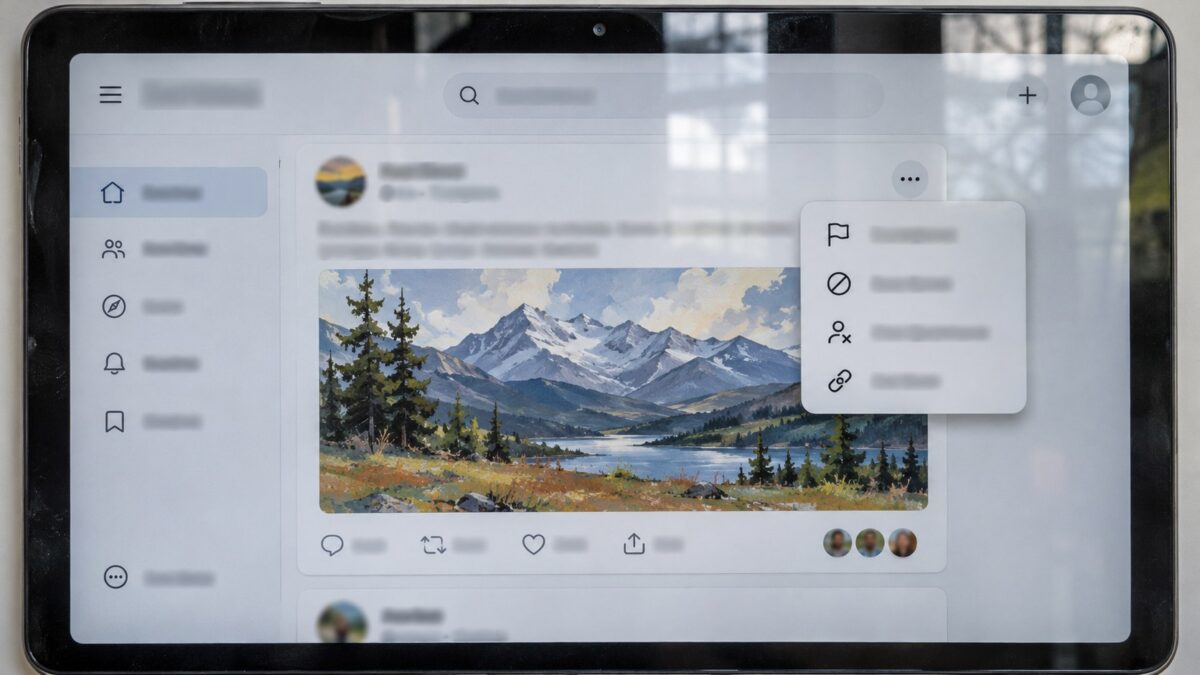
Scrile Connect is hosted white-label software for a branded creator or fan platform on your own domain. It combines subscriptions, pay-per-view content, tips, paid messaging, video calls and live streams, with creator earnings management and configurable commissions for multi-creator operations.
For an artist hub, scope participation requirements alongside those monetization features before launch. Scrile Connect provides onboarding, technical support and moderation tools; establish which group and discovery workflows need configuration or additional development. Its fixed software fee is separate from payment-provider fees, and payment approval remains subject to provider requirements.
Frequently asked questions
What is an artist community platform?
It is a digital hub where an artist’s audience can discover members, contribute to discussions and access creative work. Membership payments may support it, but participation between members distinguishes it from a content feed.
Does an artist need a separate community website?
Only when there is a clear reason for fans to return to that destination. Test a shared activity first; if people only want release updates, a simpler publishing setup may serve them.
Should all community access be paid?
Not necessarily. You can propose open registered discussions alongside a paid archive or early drops. Define access after cancellation before selling a tier, and test those permissions in the software.
How can artists encourage member contributions?
Start with a specific invitation tied to the work, such as comparing print techniques or discussing a chapter. Make relevant contributions easy to find and credit useful participation with permission.
Who should moderate an artist community?
Assign a responsible moderator and a backup, with clear escalation to the operator. The artist can participate without personally deciding every report or being available throughout every conversation.
What should a community launch measure?
Track returning participants, unanswered requests, member-to-member replies, moderation reports and cancellations over a consistent review period. These reveal different problems; page views alone cannot explain whether members help each other.
Can a community include merchandise drops?
Yes, if the platform or connected store supports the required workflow. Define inventory, payment, fulfillment and support responsibilities separately from discussion access so a drop does not disrupt the community.
Does Scrile Connect include every community feature described here?
Scrile Connect supports branded paid content, subscriptions and fan interactions. Verify directory, groups, discovery and contribution workflows separately during scoping; do not assume monetization features establish those capabilities.
