
AI Avatar Generator in 2026: Use Cases & Tips
Learn how an AI avatar generator works in 2026, what tools creators and businesses use today, and how avatars power marketing, training, and content production. Discover real use cases, platform comparisons, and when it makes sense to build your own avatar system with Scrile AI.

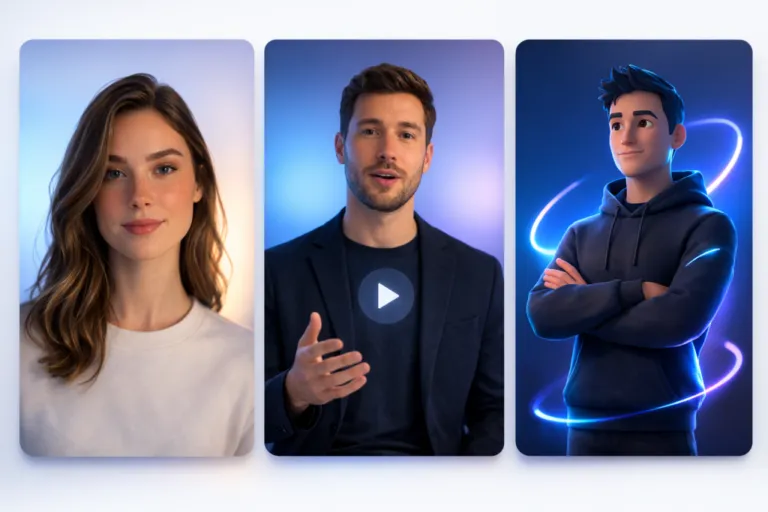
ai avatar generator
An AI avatar generator creates a digital character that can speak, present information, or represent a brand online. In 2026 these tools power marketing videos, tutorials, virtual influencers, and automated customer support. Some generators produce simple profile images, while others generate full talking video presenters. The best choice depends on realism, voice features, commercial rights, and how stable the avatar identity remains across content.
A solo founder wants to publish content every day. The problem is obvious. Filming takes time. Cameras, lighting, editing software, and recording setups quickly turn into a full production workflow. Instead of building a studio, many creators now use an AI avatar generator to create a digital presenter that speaks for them.
These tools turn a script, photo, or voice sample into a talking character. The result looks like a person explaining a product, teaching a lesson, or presenting a story. In 2026 this approach has moved far beyond experiments. Creators, consultants, and SaaS companies regularly use avatars instead of recording themselves.
Common examples include YouTube explainers, onboarding videos for software products, course instructors for online education, and even virtual influencers running social accounts.
This guide explains what AI avatars actually are, the main formats used today, and where they work best in real businesses. You will also see how to choose the right generator and what factors matter when avatars become part of a real content strategy. Finally, we look at why successful avatar projects eventually move beyond simple tools and require proper infrastructure, and how solutions like Scrile AI help businesses build platforms around their digital characters.
What an AI Avatar Actually Is
An AI avatar generator creates a digital persona that can appear in images or videos and communicate on behalf of a person or brand. Instead of recording a real presenter, software builds a virtual one that speaks from a script. This approach is becoming common across marketing, training, and creator content because the entire production process moves from cameras to software.
Behind the scenes several technologies work together. Most systems combine multiple AI components:
- face generation models that create or recreate the visual identity of the avatar
- voice synthesis engines that turn text into spoken audio
- lip-sync systems that align speech with mouth movement
- animation models that simulate natural expressions and head motion
With this stack, an AI avatar generator from text can turn a simple script into a full video where a digital presenter explains the content.
Several tools illustrate how this works. Platforms like D-ID and HeyGen focus on realistic talking portraits. Synthesia is widely used by companies for training or onboarding videos. Toki AI experiments with avatars created from photos and voice input. Synthesia alone is already used by organizations such as the United Nations and major corporations for communication and training content.
“You just type in the script, and then we give you a video.”
Victor Riparbelli, founder of Synthesia
That short description captures the shift. Avatars are no longer just animated characters. They act as consistent digital presenters that carry a brand’s voice, tone, and visual identity across videos, tutorials, and online platforms.
Three Formats of AI Avatars You’ll See Everywhere
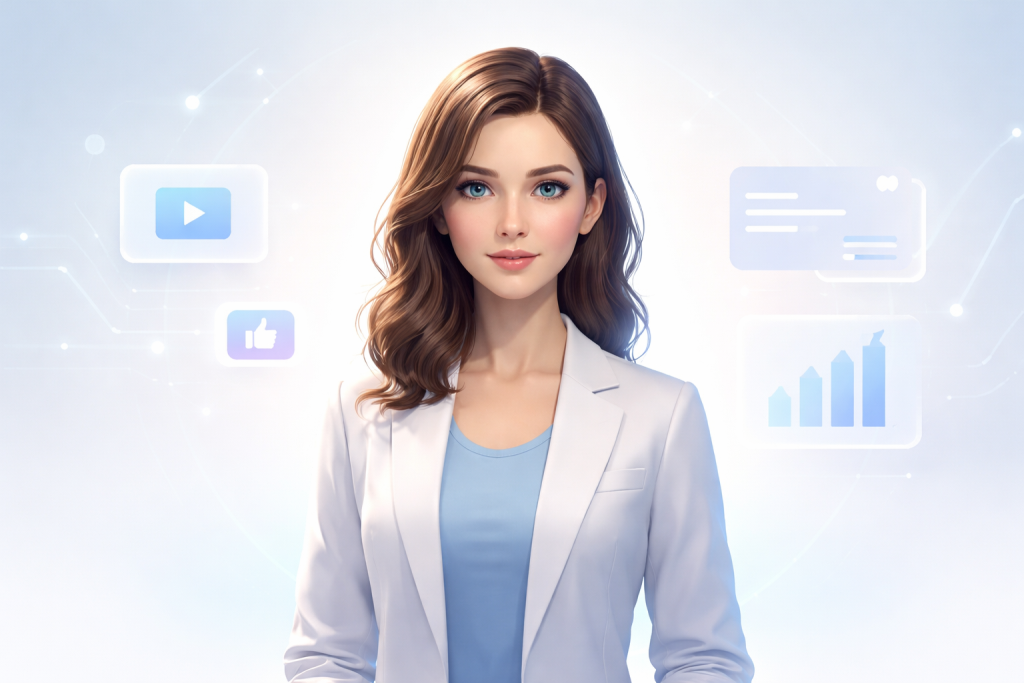
The term AI avatar generator covers several different types of digital characters. Some avatars are simple profile images. Others are full presenters that speak in videos. The format matters because each one solves a different problem for creators and businesses.
Profile avatars
The simplest format is the static avatar image. These portraits appear in social media profiles, gaming accounts, and online communities. Instead of using a real photo, people generate a stylized face or character that represents their identity online.
Common use cases include:
- profile images for social platforms
- gaming characters and community identities
- branding for creators who prefer not to show their face
- visual identities for online projects
Many of these portraits are created with an AI avatar generator from photo free. The user uploads a selfie and the system produces stylized versions of the same face.
Examples of tools used for this purpose include Midjourney portraits and Lensa AI avatar packs.
Talking avatars
Talking avatars are the most recognizable format today. These digital presenters read scripts and appear in video content. Many creators use them when they want to publish videos without recording themselves.
Typical uses include:
- YouTube automation channels
- marketing explainers
- training lessons
- SaaS onboarding tutorials
Platforms such as Synthesia, D-ID, and HeyGen specialize in this category. Many tools also function as an AI avatar generator with voice, combining speech synthesis and lip-sync animation.
Full digital characters
The most advanced avatars act as long-term personalities rather than single videos. These characters appear repeatedly across content and social channels.
Examples include AI influencers, virtual streamers, and brand ambassadors controlled by automated content systems. These projects often grow into full media identities rather than one-time avatar videos.
Where AI Avatars Actually Work in 2026
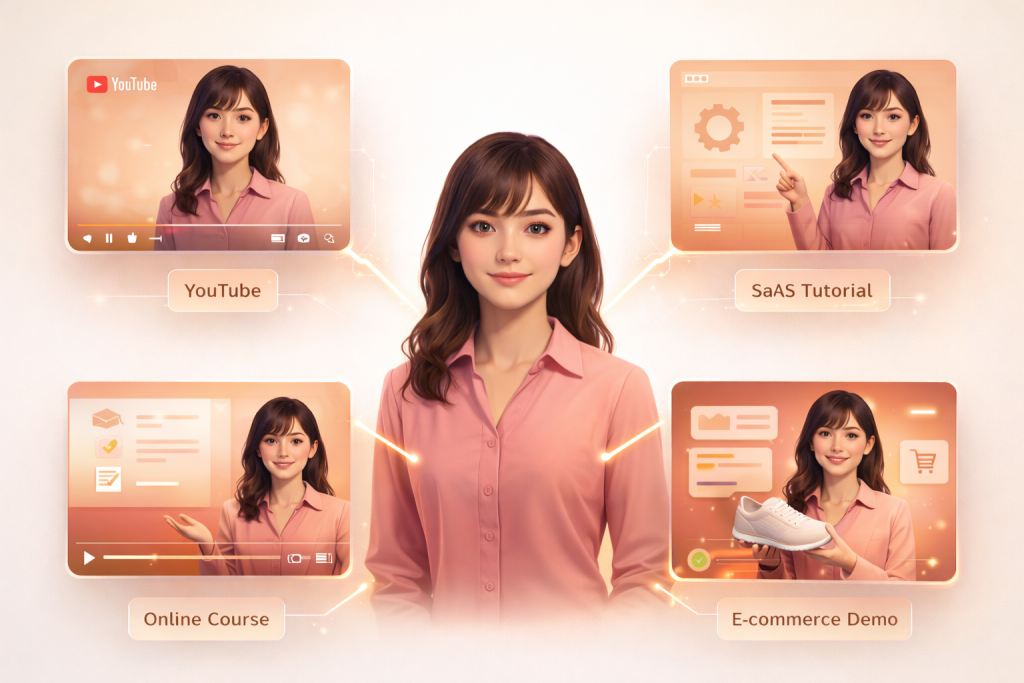
An AI avatar generator allows companies and creators to produce video communication at scale without filming every message. The result is faster production and more consistent branding.
Here are several areas where avatars already work in practice.
- Creator economy and automated channels. Many YouTube automation projects use avatars instead of human presenters. A creator writes scripts and generates daily videos without recording themselves. Short TikTok explainers follow the same pattern. The workflow becomes: script → avatar video → upload.
- Education and online courses. Digital instructors now appear in many training programs. Platforms generate lessons from text scripts, turning written material into video lectures. Companies use the same approach for employee training and internal knowledge sharing. AI video tools can turn documentation into instructional videos in minutes.
- Consulting and personal brands. Consultants often publish explainers, product breakdowns, or strategy lessons using avatar presenters. The digital character becomes a recognizable identity across YouTube, newsletters, and course platforms.
- SaaS onboarding and product tutorials. Software companies frequently create onboarding videos with avatars. Instead of filming staff, they convert scripts into short explainers that show how a product works. This approach speeds up production and keeps tutorials consistent across languages.
- E-commerce and marketing. Online stores use avatars to present products in video ads or landing pages. The same script can generate dozens of localized videos.
- Customer communication and research content. Some financial institutions already experiment with avatars that deliver reports or updates. UBS, for example, created avatar versions of analysts to present research videos to clients, allowing the bank to scale video output far beyond traditional studio limits.
Many creators start experimenting with an AI avatar video generator free to test the concept before investing in a larger system. Once the workflow proves useful, avatars often become a core part of the content pipeline.
How to Choose the Right AI Avatar Generator
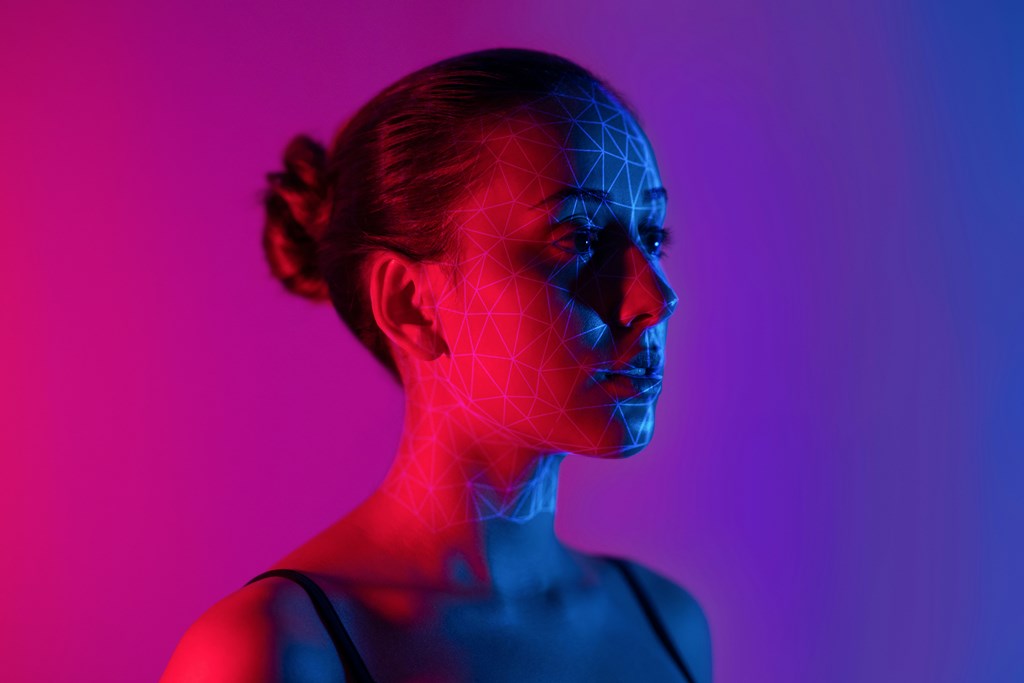
Choosing an AI avatar generator is less about visual effects and more about reliability. A tool may produce impressive demo videos, yet fail when used daily for content production. Creators and businesses usually evaluate several practical factors before committing to one system.
Image stability and realism
One of the most common problems with avatar tools is identity instability. Some generators produce slightly different faces every time a video is rendered. That may look acceptable for a one-time clip, but it becomes confusing when the avatar appears regularly in a channel or brand account.
Stable identity is essential if the avatar represents a person or company voice. The face, hairstyle, and expressions should remain consistent across videos. Tools designed for professional use usually train avatars from reference images or recorded footage so the character stays recognizable.
Voice and language options
A strong AI avatar generator with voice must support multiple languages and accents. Many companies operate globally and need the same message delivered to different audiences. Modern platforms often provide dozens of voices and language combinations. Synthesia, for example, offers voiceovers in more than one hundred languages, which allows companies to generate localized content without recording separate videos.
Commercial rights
Many creators start experimenting with an AI avatar generator free tool, but licensing becomes important when the content earns revenue. Some free services restrict commercial use or require attribution. Before choosing a platform, creators usually review several legal points:
- licensing terms for generated avatars
- ownership of the visual character
- rights to distribute or monetize generated videos
Ignoring these details can create problems when the content grows into a business.
Privacy and identity control
Brands that generate avatars from real people also think about privacy. Identity cloning is a real concern when AI can reproduce faces and voices. Some creators prefer tools that allow controlled access or avoid storing biometric data. Others experiment with an AI avatar generator free without login to test ideas without uploading personal information.
In practice, the best free AI avatar generator depends on the project. A simple marketing experiment may only need a basic avatar video tool. Long-term projects usually require stable identity models, stronger voice systems, and clear commercial rights.
Popular AI Avatar Generators Right Now
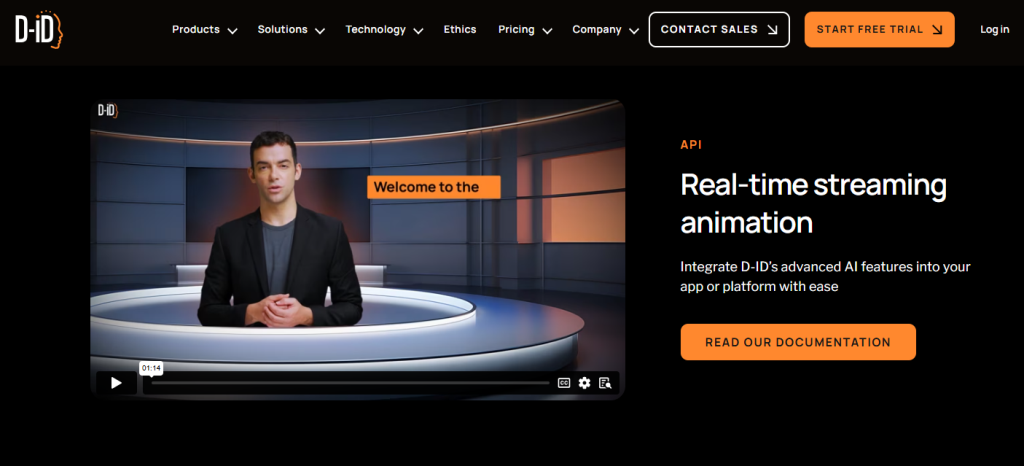
Choosing an AI avatar generator depends on what you want the avatar to do. Some tools focus on video presenters. Others specialize in stylized profile characters or gaming identities. Many people begin with an AI avatar generator free tool simply to experiment. A free AI avatar generator online can generate quick results without requiring a production workflow.
The best free AI avatar generator is rarely universal. A creator making YouTube videos needs a different system than someone designing a gaming character or social profile image. The tools below illustrate how different platforms approach avatar creation.
AI Avatar Generator Comparison
| Tool | Best For | Format | Voice Support | Pricing |
| D-ID | Talking avatars and video presenters | Video | Yes | 14-day free trial, plans from ~$4.70 to ~$108/month |
| HeyGen | Marketing avatars and social videos | Video | Yes | Free demo plan, paid plans $29–$99/month |
| Synthesia | Corporate training and tutorials | Video | Yes | Free plan available, Starter ~$14/month, Creator ~$49/month |
| Toki AI | Photo-based avatars and animated portraits | Image / video | Limited | Free plan available, Lite ~$10/month, Pro ~$29/month |
| Canva AI | Social and brand avatars | Image | Limited | Free / freemium |
| Fotor | Stylized profile avatars and portraits | Image | No | Free version available, premium features from $3.33/month |
Each of these tools solves a slightly different problem.
D-ID focuses on talking portrait videos. The platform animates still images and turns written scripts into short speaking clips. Many companies use it for quick marketing messages or educational content.
HeyGen targets marketing teams and creators who produce social video content. It offers avatar presenters designed for product explainers and promotional videos.
Synthesia has become a standard solution for corporate training and onboarding videos. Companies generate tutorial content without recording employees on camera.
Toki AI experiments with avatars built from photos and voice input. The goal is to produce digital characters that resemble real people more closely.
Fotor focuses on stylized portraits. Many users generate profile images for social media or online communities using its AI avatar tools.
Example: When an AI Avatar Starts Making Money
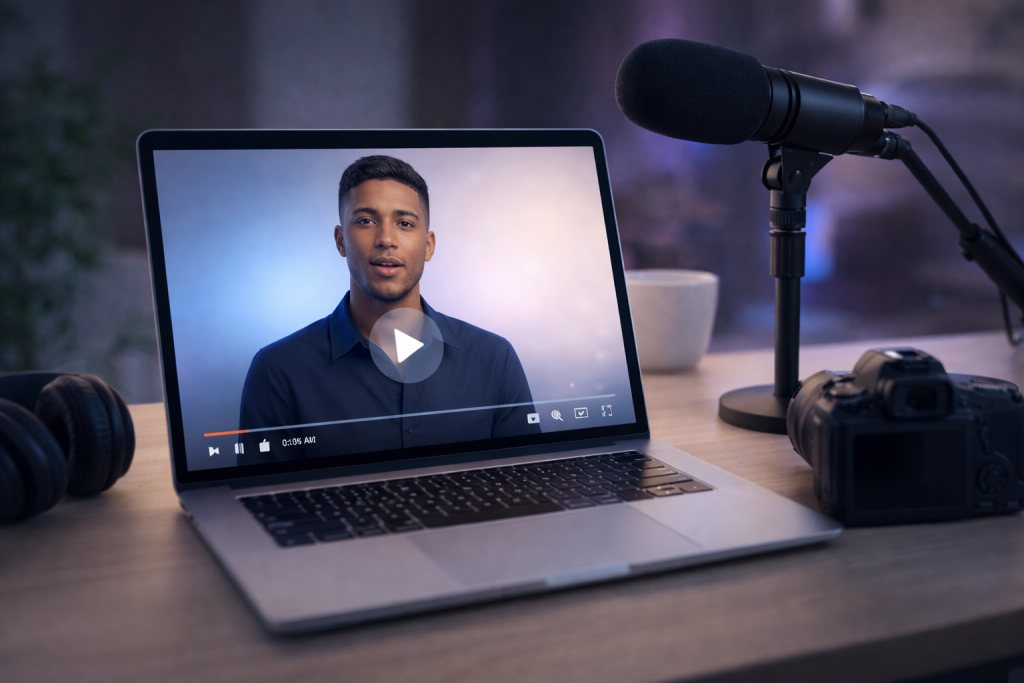
Imagine a small YouTube channel that publishes videos using an avatar presenter instead of a human host. The creator uploads about 30 videos per month and the channel receives around 50,000 views during that time.
YouTube advertising revenue is usually calculated using CPM. If the average CPM is $6, the calculation looks like this:
50,000 views ÷ 1,000 × $6 = $300 per month
Many creators add additional income streams around the same content. For example:
- Affiliate links bring $400 per month
- A small digital course generates $350 per month
Total monthly revenue becomes:
$300 + $400 + $350 = $1,050 per month
The avatar generator itself only produces the presenter in the videos. The income comes from the surrounding system: content distribution, audience growth, and the monetization channels built around the avatar content.
The Generator Is Only One Part of the System
A working avatar project rarely depends on a single tool. The generator creates the digital character, but the long-term result depends on how the entire content system is built. Successful projects usually combine several elements.
Core parts of the system often include:
- a clear persona design that defines the avatar’s style and voice
- a content pipeline that produces scripts regularly
- distribution channels such as YouTube, newsletters, or social platforms
- a monetization model connected to the audience
Different creators use different revenue paths. Some publish paid newsletters. Others sell digital courses or training programs. Businesses often use avatars inside SaaS onboarding videos or affiliate marketing funnels. Subscription communities are another common model.
Once the avatar becomes central to the content strategy, the project stops looking like a simple experiment. It begins to require stable infrastructure that manages production, publishing, and revenue in one place.
Building Your Own Avatar Platform With Scrile AI
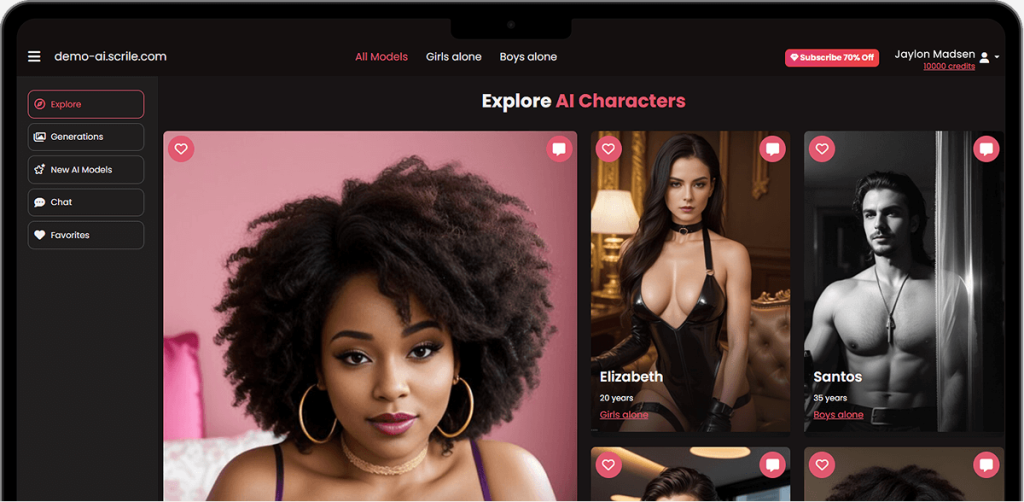
Most creators start with a simple AI avatar generator to produce videos or digital presenters. That works well for experiments and early content. Over time the situation changes. Once an avatar becomes part of a real project, the focus shifts from generating characters to managing an entire ecosystem around them.
This is where platforms become important. A growing avatar project often needs a place where characters, content, and monetization tools are organized together. Instead of using multiple unrelated tools, companies begin building systems designed specifically for their workflow.
Scrile AI focuses on this stage of development. It is not a SaaS avatar generator where users log in and create a few videos. Scrile AI is a custom development service that builds full avatar-based platforms tailored to a specific business model.
Examples of solutions built with Scrile AI include avatar content platforms, AI influencer ecosystems, virtual assistant systems, and even marketplaces where creators publish avatar videos or characters.
Typical platform capabilities may include:
- avatar management systems that organize multiple characters and identities
- monetization tools for subscriptions, content sales, or licensing
- API integrations connecting avatars with external applications
- automated content pipelines that generate and distribute videos
- custom voice models that give avatars a recognizable brand voice
When an avatar becomes central to a product or media project, the technology behind it grows more complex. Businesses start treating avatars as digital assets rather than simple animations. Infrastructure becomes necessary to manage identity, content, and revenue in a structured way. Scrile AI helps companies build that infrastructure from the ground up.
Quick Guide: Which Avatar Tool Fits Which Goal
The table below summarizes how different avatar formats align with typical business or creator goals.
| Goal | Typical Avatar Format | Example Tools | Content Type | Best For |
| Social media branding | Profile avatar generator | Fotor, Lensa, Midjourney | Static images | Personal brands and creator profiles |
| YouTube automation | Talking avatar generator | D-ID, HeyGen | Video explainers | Content channels that publish frequently |
| Corporate training | Enterprise avatar video tools | Synthesia | Tutorial videos | Employee onboarding and training programs |
| Gaming identity | 3D avatar builders | VRoid Studio | Interactive avatars | Games, virtual worlds, metaverse projects |
| Marketing campaigns | Talking avatars with voice | HeyGen, D-ID | Product explainers and ads | SaaS and e-commerce marketing |
| AI influencers | Custom avatar platforms | Custom systems | Multi-channel content | Long-term creator brands |
Conclusion
The AI avatar generator is quickly becoming a standard tool for creators, consultants, and businesses. Instead of filming every video, teams can generate presenters that deliver tutorials, marketing messages, or educational content. This approach reduces production time and makes it easier to scale content across multiple channels.
Avatars simplify video production, but the generator only creates the character. Real growth happens when that character becomes part of a structured system that includes distribution, branding, and monetization.
As avatar projects grow, many creators move beyond standalone tools and start building their own platforms around digital characters. If you want to develop a custom avatar ecosystem for your business, explore Scrile AI solutions to discuss building your own avatar platform.
Related guides
- AI Character Creator: Build a Persona That Scales in 2026
- How to Promote Your AI Companion Website in 2026
- How Creators Use AI to Sell More Content and Engage Fans
- Top-5 Ultimate AI Friend Apps 2026
FAQ
What is an AI avatar generator?
An AI avatar generator is a tool that creates a digital character from a photo, a script, a voice sample, or a text prompt. Depending on the product, it can generate a static profile image, a talking presenter, or a more advanced character used across videos and brand content.
How does an AI avatar generator work?
Most systems combine several layers of AI. They generate or recreate a face, turn text into speech, sync lip movement to the audio, and animate expressions or head movement to produce a video. That is why a script can become a ready-made presenter without a camera shoot.
Can I create an avatar video without filming myself?
Yes. That is one of the main reasons these tools became popular. Platforms like Synthesia, D-ID, and HeyGen let users create video presenters from scripts without recording themselves in a studio. Some tools also support avatars generated from photos instead of live footage.
Are there free AI avatar generators available?
Yes, but the free versions usually come with limits. Some tools offer free trials, watermarked exports, restricted video minutes, or limited avatar libraries. Others focus on image avatars rather than full talking-video workflows, so the answer depends on whether you need a portrait, a presenter, or a reusable business avatar.
Can AI avatars speak different languages?
Yes. Multilingual support is now common in stronger business-focused tools. Many platforms offer large voice libraries, multiple accents, and localization options, which makes it possible to produce the same content for several regions without recording separate videos.
How are AI avatars used by businesses?
Businesses use AI avatars for onboarding videos, internal training, product explainers, sales demos, localized marketing, customer communication, and support content. SaaS companies, consultants, and e-commerce brands use them to scale video output without building a full studio workflow.
Can AI avatars make money online?
Yes, though the income comes from the business model around the avatar, not from the avatar alone. Creators use avatar presenters for YouTube channels, affiliate funnels, courses, subscriptions, and branded content. The tool creates the presenter, while distribution, audience growth, and monetization create the revenue.
What is the difference between an avatar generator and a custom avatar platform?
An avatar generator is usually a standalone tool for making images or videos. A custom avatar platform is a larger system built around content production, monetization, identity management, integrations, and automation. That is the difference between using a tool for one-off outputs and building an avatar-based business infrastructure with a service like Scrile AI.
