
Crowdfunding Movies: Best Platforms, Tips, and Film Funding Strategies in 2026
Discover how crowdfunding movies can help independent filmmakers bring their visions to life in 2026. In this article, we will review what the top crowdfunding sites for films are, explore the major film crowdfunding platforms, and give you practical advice on how to run successful crowdfunding campaigns.

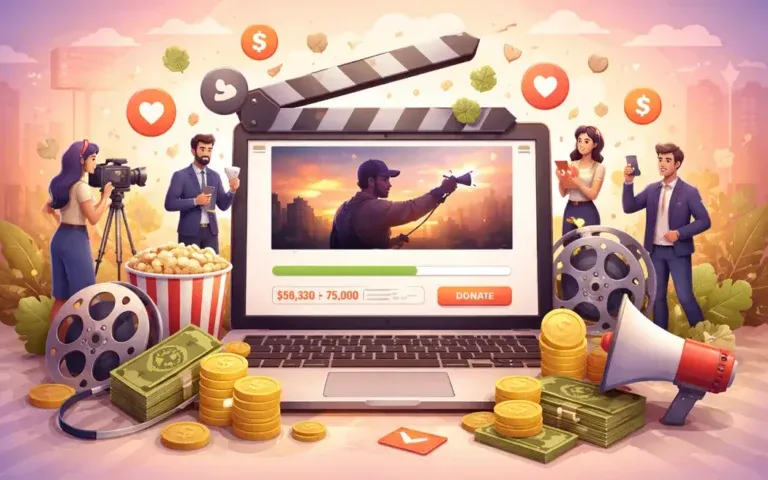
crowdfunding movies
Looking into crowdfunding movies? The best platform depends on your goal. Kickstarter is often the strongest choice for reach and campaign momentum, Seed&Spark is built specifically for filmmakers, GoFundMe works best for simple donation-driven support, and a self-hosted fundraising page makes sense when you want full control over branding, supporter data, and long-term audience building.
Quick Answer: What is the best way to crowdfund a movie?
The best way to crowdfund a movie is to match the platform to your goal. Kickstarter is usually the strongest option for reach and momentum, Seed&Spark is ideal for film-focused campaigns, and GoFundMe works for simpler donation-based support. If your bigger goal is to build a long-term audience around your work, a branded fundraising website gives you more control over your backers, your messaging, and your future campaigns.
Crowdfunding Movies: A New Era of Film Financing
Movie crowdfunding is no longer just a backup plan for filmmakers who cannot get studio money. For many indie projects, it is the first real proof that the idea has an audience. A strong campaign does two jobs at once: it helps raise the budget and shows that people are willing to support, share, and follow the project before release.
That is why crowdfunding works especially well for documentaries, shorts, debut features, niche genre films, and community-driven projects. It gives filmmakers more creative independence, direct feedback from supporters, and a practical way to turn early interest into social proof, email subscribers, and momentum for the next stage of production.
Why Films Are Often Financed Through Crowdfunding

Securing funding for a film has always been a challenge. Traditional investors and studios often look for a guaranteed return, which can limit creativity and steer projects toward proven formulas. For independent filmmakers, this can be frustrating. That’s why more creators are turning to crowdfunding for films, a way to finance their projects without giving up control over their vision.
Not only do crowdfunded projects often yield great funding results, but they also come with a number of secondary benefits. For example, if your crowdfunding project attracts a lot of attention and produces the desired results, you now have proven there is a substantial group of people who would like to see your film. In addition to this, crowdfunding allows you to establish a loyal community of followers prior to the release of your movie. Those early supporters may be some of your first promoters. They will communicate with you regarding any changes made to the film and help build momentum toward your project.
Crowdfunding Movies and Flexibility

Directors are finding that one of the additional benefits of crowdfunding is that they can now have much more flexibility and freedom in their strategic development for their future campaigns. There are a wide variety of different platforms available to filmmakers to allow them to create unique timelines, goals, organizational frameworks, and reward systems that focus on their groups of supporters. As a result, if a director decides to begin a small crowdfunding initiative for a short film, they may in turn be able to find substantial funding for another crowdfunding initiative to produce an independent feature film. Filmmakers and creators can use crowdfunding in combination with pre-sales for early access to or exclusive content for their supporters.
Crowdfunding offers another fantastic option for testing the waters before contributing your personal capital toward a given initiative. It gives you some insight into how your audience will respond to your work before you can identify a viable home for your work. Additionally, crowdfunding allows you to provide critical feedback from your audience while your filming project is still in development.
Copyright ownership is also retained by filmmakers and creators through crowdfunding. This means they do not have to work under the terms set by studio executives, nor do they have to yield to corporate pooling. The filmmaker maintains full creative control over the production of the film and the total amount of money required for the film’s completion. Crowdfunding provides filmmakers and creators with a balanced way to fund their work while maintaining their creative independence.
How to Choose the Right Crowdfunding Platform for Your Film
Choose your platform based on what you need most. If your priority is visibility, press value, and a strong deadline effect, Kickstarter is usually the best place to start. If you want a platform built specifically for film and storytelling, Seed&Spark is often the better fit. If you are mainly raising support from friends, local communities, or an existing fan base without a complex reward structure, GoFundMe can be enough. And if you want to own the supporter relationship instead of sending people to a third-party marketplace, a branded fundraising site is the long-term option.
Major Film Crowdfunding Platforms

Selecting a finance option for your movie in 2026 may be the key to bringing it to fruition. Platforms are not one size fits all. Different platforms have different audiences, rules, and strengths, so knowing which options you’re selecting from will help you determine which is best suited for your project. These film crowdfunding platforms have proven themselves as reliable hubs for independent filmmakers, offering both exposure and funding tools.
| Platform | Best for | Main strength | Main limitation |
|---|---|---|---|
| Kickstarter | Films that need reach, urgency, and strong campaign momentum | Large creative audience, strong social proof, clear goal-based structure | Competitive environment and a goal-driven model that requires careful planning |
| Seed&Spark | Indie filmmakers who want a film-first ecosystem | Built for film and storytelling, with creator education and niche relevance | Smaller audience than the biggest general crowdfunding platforms |
| GoFundMe | Simple donation-based support from people who already know the project | Fast setup and low friction for donors | Very limited film-specific discovery and fewer structured campaign tools |
| Patreon or memberships | Ongoing support around a filmmaker, studio, or recurring content brand | Recurring revenue and closer supporter relationships | Less effective for a one-time launch campaign with strong deadline energy |
| Own fundraising website | Filmmakers who want full control and long-term audience ownership | Your brand, your rules, your supporter data, and more flexible monetization | You need to drive traffic yourself instead of relying on marketplace discovery |
To sum up, choosing the right platform depends on your goals, audience, and the type of project you’re producing.
Advantages and Disadvantages of GoFundMe-Like Services

Crowdfunding platforms such as Kickstarter and Seed&Spark are necessary for independent filmmakers, whereas GoFundMe can be used when little is needed in terms of financing. There are advantages and disadvantages when creating a campaign on these platforms and when using them for filming a project like a movie.
“We established the all-or-nothing model when we launched in 2009 as a measure to protect creators, and to minimize risk for everyone.”
Source: Kickstarter Help Center — “Why is funding all-or-nothing?”
Advantages
The main advantage of GoFundMe-style fundraising is simplicity. You can set up a campaign quickly, explain the project in plain language, and start collecting support without building a complicated reward structure. This makes donation-first platforms a strong fit for student films, urgent production gaps, local stories, community-backed documentaries, or projects driven mainly by personal networks.
They also reduce friction for supporters. If people already know you and trust the project, a simple donation page can convert better than a more complex campaign with multiple tiers, add-ons, and logistics.

Disadvantages
The trade-off is that general donation platforms rarely give filmmakers much built-in discovery, film-specific positioning, or structured campaign tools. In most cases, you are responsible for almost all of the traffic, storytelling, and follow-up yourself. That makes these platforms much better for warm audiences than cold ones.
If you want tiered rewards, stronger brand presentation, deeper supporter engagement, or a reusable backer community for future releases, a more structured film platform or your own fundraising website is usually the stronger option.
Tips for a Successful Crowdfunding Campaign

Launching a crowdfunding campaign can be exciting, but success doesn’t happen by accident. Many filmmakers dive in without a plan and end up struggling to reach their goal. To give your project the best chance, you need strategy, preparation, and consistent engagement. Here are some practical tips for crowdfunding for filmmakers in 2026.
Craft a Compelling Story
Use your story as a strong weapon. Instead of only giving a description of the film, tell the reason for its creation. Ask yourself what is so important about this story and why it is that you are the perfect person to create this story. A strong pitch video created along with a strong written narrative has the ability to convince future funders to support your project, based solely on how you can appeal to them emotionally. People will donate more money based on emotion than they will based on facts or numbers or budget alone.
Engage Your Network Early
Before launching your campaign, reach out to friends, family, and business associates. Generating interest prior to launching by sharing about your project via social media, behind-the-scenes information, and having small pre-launch gatherings will create momentum in your campaign from day one. Early backers provide momentum that will attract greater visibility when your campaign goes public.
Offer Meaningful Perks
The right tiered system of incentives is essential to success. The more innovative you are with your rewards, the more engaged your backers will feel. Additionally, tiered incentives will help generate higher contributions from supporters who have a stronger desire to be connected to your project.

Maintain Transparency and Updates
Trust is developed by being updated frequently, which also helps to keep backers involved in your project. You should communicate regularly about the milestones, challenges, and accomplishments you achieve in the production of your project. A transparent campaign provides reassurance to your donors and can help you turn your donors into ambassadors, which will increase word-of-mouth referrals to your project.
Promote Strategically
Social media, newsletters, collaborating with influencers, and getting press coverage all come together to create a powerful way to get your message out to potential donors. Finding out where your target audience hangs out will provide you with valuable insight into how and where to reach potential supporters through promotions. Having an effective promotional plan will help you create momentum so that your campaign will have much better chances than one that has no effective promotional plan in place.
Having a well-executed promotional plan for a crowdfunding campaign means you will get funding from many sources. However, you will also have a group of supporters who have invested in your journey that will be there to help you with future projects long after the completion of this project.
Launch Your Own Fundraising Website

While platforms like Kickstarter and Indiegogo are excellent for reaching a broad audience, some filmmakers want even more control over their campaigns. Imagine having a dedicated space where you set the rules, manage contributions, and fully showcase your project—without relying on third-party platforms.
Launching your own fundraising website takes the lessons of traditional crowdfunding and puts them entirely in your hands. This way you have control over how you shape your customer’s experience, define your own branding for your campaign, and independently communicate with your backers. By doing so, you will help create an avenue through which to develop a personal connection with your audience, collect information about your supporters, and maintain your creative independence during every aspect of this development process.
For independent creators and entrepreneurs, owning your fundraising space can feel empowering. Raising funds is no longer enough. Creating a lasting community that supports your future work is what you should be focused on now. You can start by using tools such as Scrile Connect, which provide you with an easy way to develop a professional fundraising page.
Scrile Connect Fundraising: A Modern Solution for Filmmakers
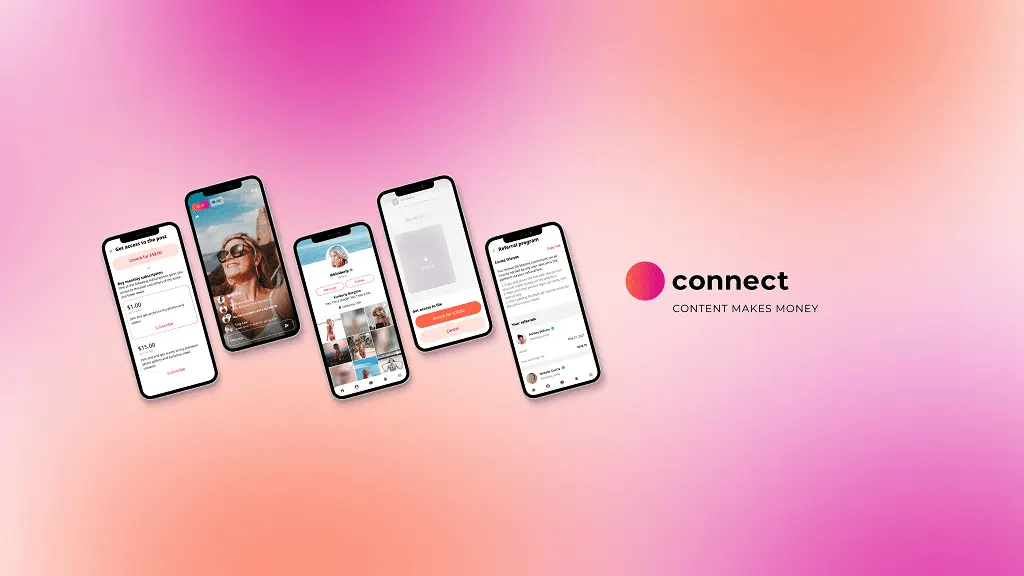
For those looking to take their filmmaking projects to the next level, Scrile Connect has an innovative, complete solution for you. This new platform gives you the ability to launch your own professional fundraising website easily and still maintain all of the same benefits that traditional crowdfunding provides. Think of it as combining the power of the best crowdfunding sites for film with the freedom to shape your campaign exactly how you want.
Product Overview
With Scrile Connect, you’ll be able to develop your own custom pages for your film, set donation levels, upload an updated video for your supporters, and connect your engagement analytics all in one place. So, if you’re a filmmaker who wants your presentation to look polished and professional, Scrile Connect can help get you there.
Scrile Connect gives you an understanding of who your backers are and how they interact, giving you a good idea of how the audience will react to future projects. In turn, you can make informed decisions for all future projects based on this information. Overall, Scrile Connect helps you establish a community of loyal supporters.
If you’re ready to turn your vision into reality and connect directly with your supporters, Scrile Connect makes it simple. Launch your own fundraising website, keep control of your campaign, and maximize your reach. Start exploring Scrile Connect today.
Quick recap (with real numbers):
- Kickstarter (overall): $9,420,495,406 pledged; 292,761 successfully funded projects (auto-updated stats).
- Kickstarter Film & Video: $617.37M pledged total; 38.25% success rate.
- Seed&Spark: 82% success rate; $85,180,572 raised; 7,107 projects created.
- Indiegogo: Flexible Funding retired; campaigns standardized to Fixed Funding; published simplified fees (5% + 3% + $0.20).
Takeaway: Use a marketplace platform for reach — but build a branded hub (site + email list) if you want supporters to follow you to the next film.
Frequently Asked Questions About Crowdfunding Movies
What is movie crowdfunding?
Movie crowdfunding is a way to raise money for a film directly from supporters instead of relying only on studios, investors, or grants. It is often used by indie filmmakers to finance development, production, post-production, or festival-related costs while also building an early audience around the project.
What is the best crowdfunding platform for films?
There is no single best platform for every film. Kickstarter is often the strongest choice for reach and campaign momentum, Seed&Spark is better for filmmakers who want a film-first environment, and GoFundMe works best for simple donation-driven support. The right choice depends on your audience, campaign structure, and how much control you want over the supporter relationship.
Kickstarter or Seed&Spark for an indie film?
Kickstarter is usually the better option if you want broader exposure and stronger deadline-driven momentum. Seed&Spark is often the better fit if you want a platform built specifically for film projects and storytelling. Many filmmakers choose based on whether they need maximum reach or a more focused film community.
Is GoFundMe good for funding a movie?
GoFundMe can work well for a movie when you already have a warm audience, a local community, or personal supporters who simply want an easy way to contribute. It is less effective when you need film-specific discovery, structured reward tiers, or a campaign that feels like a full product launch.
Can you crowdfund a movie without giving up your rights?
Yes. In most reward-based crowdfunding campaigns, supporters are backing the project rather than taking ownership of the film. That is one reason crowdfunding is attractive to indie filmmakers who want to raise money while keeping more creative control over the final work.
How much money can you realistically raise for a film?
That depends on the size of your audience, the clarity of your pitch, and the stage of the project. For many filmmakers, crowdfunding is used to finance a specific milestone such as a teaser, a shooting block, or post-production rather than the entire budget. Campaigns tend to work better when the funding goal is concrete and easy for supporters to understand.
What rewards work best in a film crowdfunding campaign?
The best rewards are meaningful but easy to fulfill. Digital perks, behind-the-scenes access, private screenings, special credits, early updates, and limited supporter experiences usually work better than reward ideas that create expensive shipping or complicated logistics.
How long should a movie crowdfunding campaign last?
A shorter, more focused campaign usually performs better than one that drags on too long. The goal is to keep urgency high, maintain attention, and avoid exhausting your audience. Whatever timeline you choose, strong pre-launch preparation matters more than simply keeping the campaign live for longer.
Do you need an audience before crowdfunding a film?
You do not need a huge audience, but you do need some early support. Most successful film campaigns start with warm contacts such as friends, previous collaborators, newsletter subscribers, cast, crew, or niche communities that already care about the subject. Early momentum makes the campaign look more credible to everyone else.
Should filmmakers build their own fundraising website?
A dedicated fundraising website makes sense when the goal is bigger than one campaign. It gives filmmakers more control over branding, supporter communication, and long-term audience ownership. That is especially useful when a project will need future fundraising, premium updates, or ongoing community engagement beyond the initial campaign launch.
Perks were harder than the pitch. Shipping + fulfillment can quietly eat your budget if you promise physical rewards.
I wish I’d built an email list before launch. We had traffic, but no way to re-engage people after the campaign ended
The biggest difference for us was momentum in week 1. Once we had 30–40% early, strangers finally started backing.