
Top Factor Meal Alternatives 2026
Explore the best Factor alternatives for 2026 with real pricing, nutrition details, and lifestyle fit. Compare prepared meals and meal kits, and learn how businesses can build their own meal services with Scrile Connect.

factor alternatives
Prepared meals continue to dominate healthy eating in 2026 for a simple reason. They solve everyday problems that most people are tired of negotiating. Long workdays, uneven schedules, and decision fatigue make cooking from scratch unrealistic for many. At the same time, calorie awareness is no longer limited to athletes. Ordinary users want meals with predictable nutrition that do not require constant planning.
Factor became a reference brand because it matched those expectations early. Ready-to-eat dishes, clear macro labels, and no prep time created a straightforward routine. For many users, it removed friction from eating well. But once that routine settles in, people start looking closer. Cost adds up over months. Menus feel repetitive. Portion preferences change. This is where searches for Factor Alternatives begin to appear, not out of dissatisfaction, but out of curiosity and evolving needs.
The market has responded with variety. Some alternatives stay fully prepared and macro-focused. Others trade convenience for lower prices or broader menus. Some go deeper into performance nutrition, while others aim for families or budget-conscious households. Prep level, price point, and nutrition depth vary widely, even when services appear similar on the surface.
This article breaks down those differences using real examples and numbers, and also shows how businesses can build their own meal services with Scrile Connect instead of relying on ready-made models.

Why Factor Became the Default Choice and Where It Loses Ground
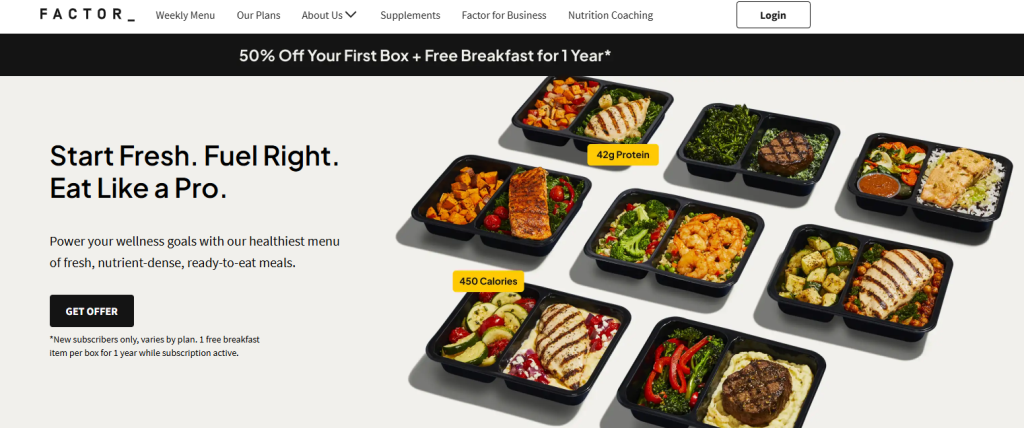
Factor earned its position by solving a very specific problem. It removed cooking from the equation while keeping nutrition visible and predictable. For many users, that combination worked immediately. Meals arrive fully prepared, require only reheating, and come with clear macro breakdowns that make calorie tracking easier. Diet labels such as keto, calorie-smart, and vegan help people choose quickly without reading long ingredient lists. Pricing usually falls between $11 and $13 per meal, which feels acceptable at first when compared to takeout or frequent grocery shopping.
Over time, though, expectations change. Users settle into routines and begin comparing value more closely. That is often when searches for Factor alternatives start to appear, driven by practical concerns rather than dissatisfaction.
What users consistently praise and criticize can be grouped clearly:
- Convenience and structure are Factor’s strongest points. Ready-to-eat meals eliminate prep time, macros are easy to understand, and diet categories simplify decision-making. This is why many people initially compare it with similar to Factor meals when exploring other services.
- Cost fatigue emerges after a few months. Even users who like the food begin to question long-term spending, especially when ordering multiple meals per week.
- Menu repetition becomes noticeable. Rotations change, but flavors and formats often feel familiar, which reduces excitement over time.
- Limited personalization frustrates experienced users. Aside from diet tags, there is little control over portions, ingredient swaps, or nutrition depth, which pushes some toward Factor meals alternatives with more flexibility.
Factor still fits many lifestyles well, especially for singles focused on convenience. But as priorities shift toward price control, variety, or customization, people naturally explore alternatives to Factor meals that better match how they actually eat week to week.
How People Compare Factor Alternatives Before Switching
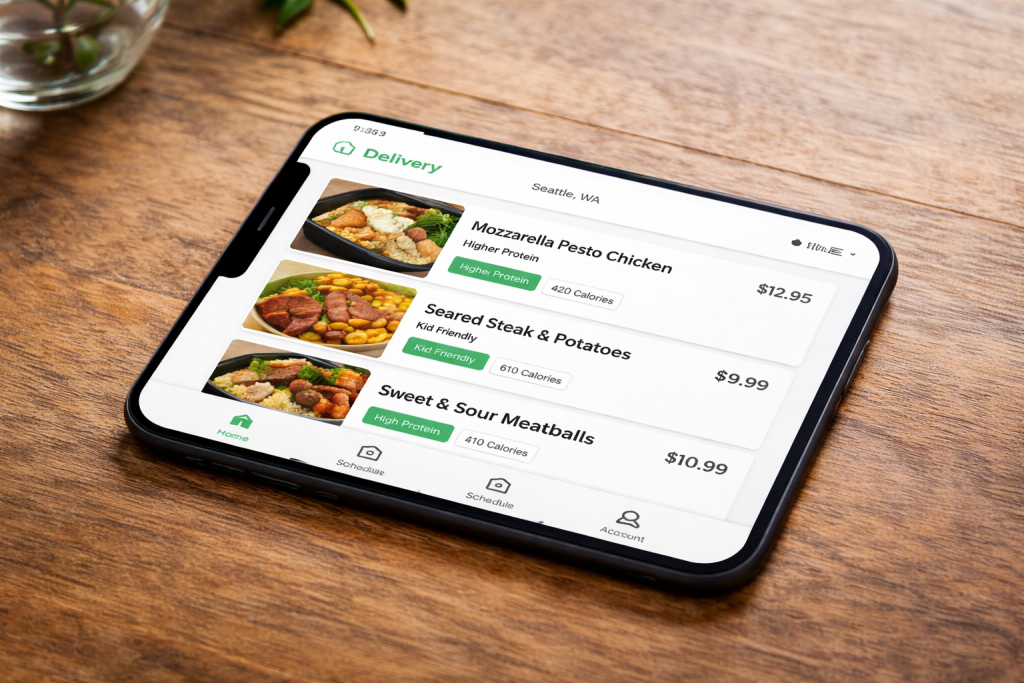
When people start looking beyond their current meal plan, the comparison process is rarely emotional. It is practical and repetitive. Users run the numbers, test small changes, and look for friction points that affect their routine. This is where Factor alternatives are evaluated side by side, not on marketing promises, but on how they perform week after week.
Price is usually the first filter. A meal that looks reasonable at eleven dollars can feel expensive once multiplied by ten or twelve meals per week. Many users stop thinking in terms of price per meal and start calculating weekly spend. That shift alone pushes people to explore options that cost less per serving, even if they require slightly more effort.
Nutrition comes next. Macro accuracy matters, but so does how filling the meal actually feels. Some services hit calorie targets perfectly but leave users hungry an hour later. Others offer larger portions with looser macro precision. People compare those tradeoffs carefully, especially those tracking weight or training progress.
Taste consistency plays a quieter role. A service might impress in the first two weeks and then lose appeal as flavors repeat. Long-term users pay attention to how often menus change and whether meals still feel satisfying after several months.
These are the most common decision points people weigh when comparing services:
- Weekly cost versus convenience, where users balance lower prices against prep time and decide how much effort they are willing to accept to save money.
- Macro labeling versus real fullness, especially when comparing strict plans to Factor meals alternatives that offer larger portions or different ingredient density.
- Taste stability over time, not just first impressions, which matters more than variety on paper.
- Prep tolerance, ranging from fully prepared meals to light cooking or full meal kits.
- Delivery flexibility, including the ability to skip weeks, adjust quantities, or change menus without penalties.
This practical mindset explains why people rarely switch impulsively. They test, compare, and only commit when an alternative fits their habits better than Factor ever did.
Top Factor Meal Alternatives in 2026
People searching for better meal subscriptions in 2026 are not looking for experiments. They want services that actually deliver week after week. The options below were selected based on real availability across major regions, transparent pricing, clear nutrition positioning, and relevance to people already using Factor. These Factor alternatives cover different needs, from strict macro tracking to budget-focused convenience. Some stay very close to Factor’s ready-to-eat model. Others move away from it on purpose, trading prep time or structure for flexibility and cost savings. Together, they reflect how the prepared meal market has diversified beyond one dominant format.
Green Chef
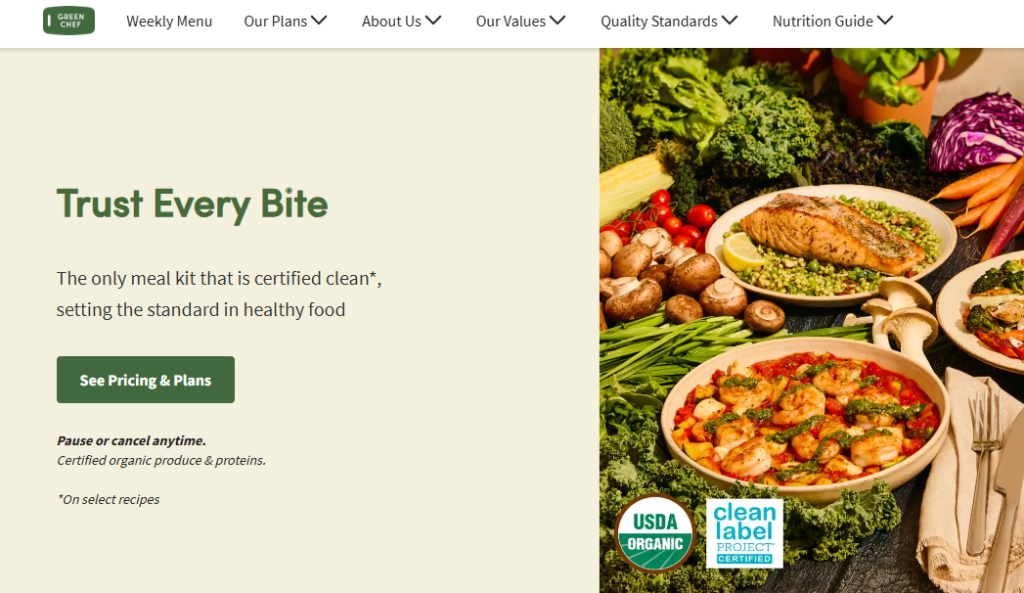
Green Chef takes a different approach from fully prepared meals like Factor. It is a meal kit service, but one built around clear dietary structure. The brand focuses heavily on organic ingredients and clearly defined eating plans, including keto, protein-packed, gluten-free, and plant-based options. That makes it appealing to users who care about nutrition quality but still want flexibility.
Meals require cooking, usually around thirty minutes, which is the main tradeoff. In return, users get more control over portion size and ingredients. Pricing typically starts around $11.99 per meal, depending on plan size and promotions, which places it slightly below Factor’s usual range for many households.
Green Chef works best for people who want healthier meals without relying on microwaving everything. It suits couples and families who are comfortable cooking but do not want to plan menus or shop weekly. Compared to fully prepared options, it feels more involved, but also more adaptable over time.
Purple Carrot
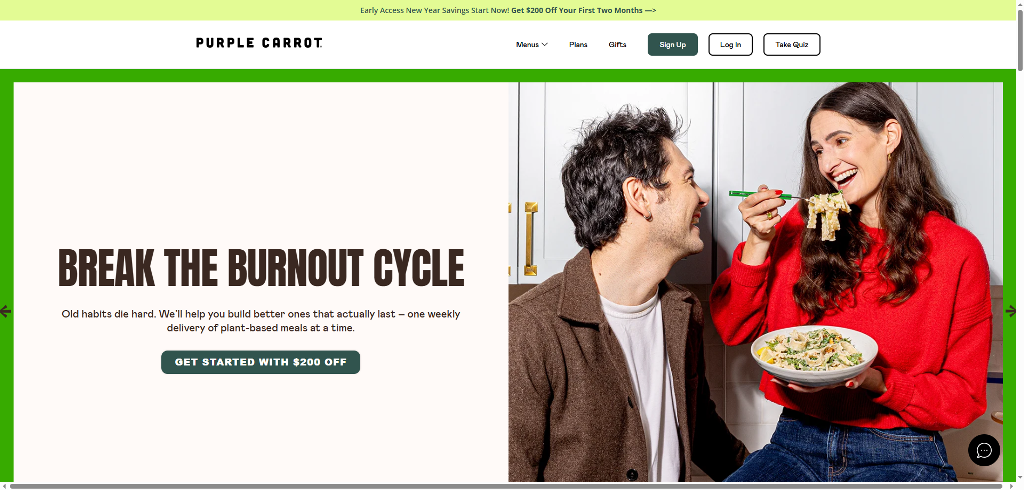
Purple Carrot is built entirely around plant-based eating. Unlike many services that treat vegan meals as a side category, Purple Carrot makes it the core product. Meals are available as kits and, in some regions, as prepared options, though cooking remains central to the experience.
Pricing usually starts around $9.99 per meal, depending on serving size and plan. Recipes focus on whole ingredients, legumes, grains, and vegetables, with an emphasis on flavor rather than imitation meat substitutes. Nutrition is balanced, but macros are less rigid than Factor’s.
Purple Carrot fits users who want variety and ethical or dietary alignment more than strict calorie control. It works well for households transitioning toward plant-forward eating or for long-term vegans who want more creativity without planning everything themselves.
Mealogic
Mealogic does not feel like a typical meal subscription, and that is intentional. It is built around structured nutrition programs rather than weekly menu browsing. You usually see it used by clinics, wellness programs, employers, or organizations that need meals to follow a defined plan over time.
The focus is planning and control. Meals are designed to fit specific nutritional frameworks, and choice is limited by design. That makes it less appealing for people who want variety, but more useful when consistency matters. Someone following a prescribed program cares more about hitting targets than picking flavors.
Pricing is not standardized the way consumer brands are. It depends on volume, delivery setup, and program scope. That alone separates Mealogic from services like Factor. It competes less on taste and convenience and more on system reliability.
This is why Mealogic appears in comparisons even though it feels different. It overlaps with Factor where meals are part of a broader nutrition solution, not just a personal convenience purchase.
Home Chef

Home Chef appeals to people who want help, not replacement. The meals are not ready to eat, but they are easy to cook. Ingredients come portioned, instructions are clear, and the time commitment stays reasonable. For many users, this feels more natural than reheating everything.
Cost is one of the main reasons people consider it. Plans often start around $7.99 per meal, which makes a noticeable difference over a full week. The menu is broad and changes often, though it is not built strictly around health goals. Some options lean lower-carb or higher-protein, but nutrition is flexible rather than enforced.
Home Chef works well for households where one person cares about structure and another just wants dinner to be simple. It suits people who still enjoy cooking, but do not want to plan, shop, or measure everything themselves.
HelloFresh
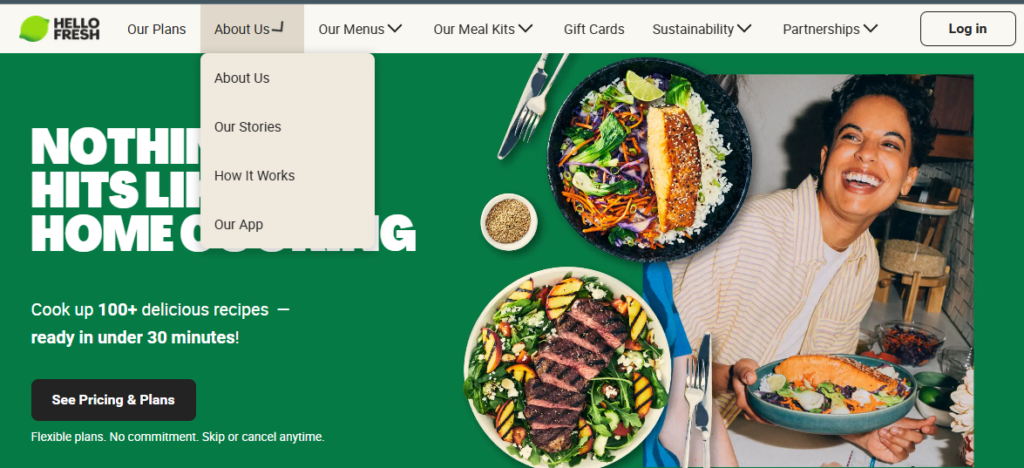
HelloFresh often comes up in conversations about prepared meals, even though it works very differently. It is a meal kit, not a ready-to-eat service. You still cook, but the planning is done for you. Ingredients arrive portioned, recipes are straightforward, and servings can be adjusted for couples or families.
Pricing usually starts around $6.99 per meal, which makes it noticeably cheaper than Factor on a weekly basis. The trade-off is time. Cooking takes effort, and not everyone wants to spend thirty minutes in the kitchen after a long day. That said, many people prefer the control. Portions feel larger, menus are more flexible, and meals fit shared households better.
HelloFresh is often mentioned as similar to Factor meals because both remove planning stress, but the experience is different. One replaces cooking. The other simplifies it. Which works better depends entirely on how much effort someone is willing to put in.
Trifecta
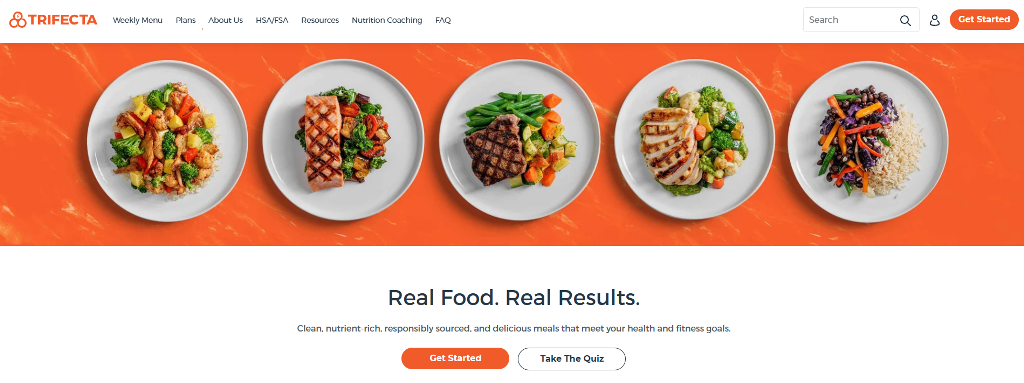
Trifecta is built for people who treat food as part of training. Meals are fully prepared and focused on performance nutrition rather than comfort or variety. Macro tracking is central, and meals are designed to slot cleanly into structured fitness plans.
Pricing sits at the higher end, usually around $14 per meal, which immediately limits its audience. In return, users get tight nutritional control and integrations with fitness apps. Portions are consistent, and ingredient choices stay predictable, which is exactly what some users want.
Trifecta makes the most sense for athletes and performance-driven eaters who already track workouts and recovery. For casual users, it can feel rigid. For disciplined ones, it removes decision-making entirely.
EveryPlate
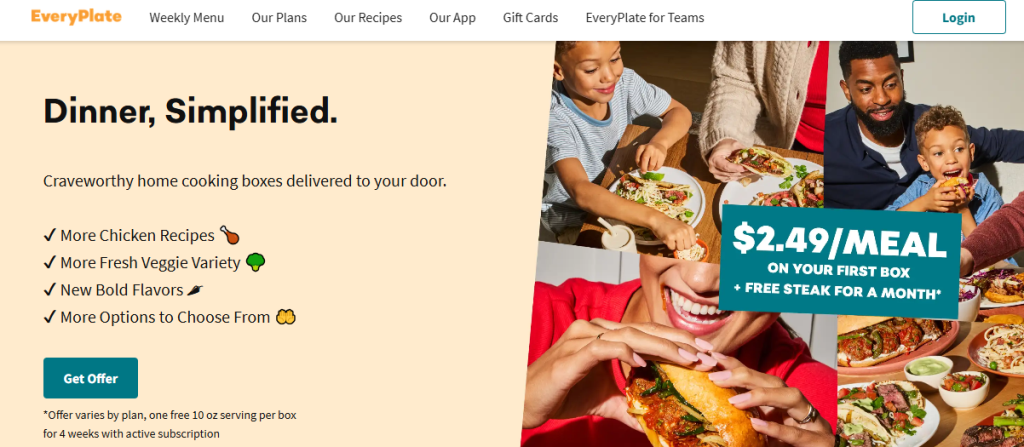
EveryPlate is about saving money first. Meals are kits, not prepared dishes, and the focus is on simple, filling food rather than nutrition targets. Pricing often starts around $4.99 per meal, making it one of the cheapest alternatives to Factor available.
The menu is limited and not built around specific diets. There is little macro guidance, and meals prioritize affordability over customization. Still, portions are generous, and recipes are easy to follow.
EveryPlate works best for students, large households, or anyone trying to reduce food costs without resorting to takeout. It is not designed for strict nutrition plans, but it succeeds at what it promises: predictable meals at a low weekly spend.
Side-by-Side Comparison of Factor Alternatives
Looking at individual services in isolation can be misleading. Pricing, prep effort, and nutrition focus only make sense when compared directly. The table below places the most relevant Factor alternatives side by side, showing how they differ in structure, cost, and who they actually serve. This makes it easier to choose based on lifestyle instead of surface similarities.
| Service | Meal Type | Price Per Meal | Dietary Focus | Best For |
| Factor | Ready-to-eat | $11–$13 | Keto, Calorie Smart | Busy individuals |
| Green Chef | Meal kit | ~$11–$13 | Keto, Protein, Plant-Based | Health-focused cooks |
| Purple Carrot | Meal kit / limited prepared | ~$10–$12 | Plant-based | Vegans, plant-forward eaters |
| Mealogic | Meal programs | Varies | Nutrition-focused | Programs, clinics |
| HelloFresh | Meal kit | $6.99–$9.99 | Balanced | Families |
| Home Chef | Easy prep | $7.99–$10.99 | Mixed | Beginners |
| Trifecta | Ready-to-eat | $13–$15 | Macro-based | Performance users |
| EveryPlate | Meal kit | $4.99–$6.99 | Basic | Budget users |
This comparison shows why no single service replaces Factor for everyone. Some options trade convenience for lower cost. Others prioritize nutrition structure or dietary alignment. The best choice depends on budget, willingness to cook, and how tightly nutrition needs to be controlled.
Who Each Alternative Actually Fits
Choosing between meal services becomes clearer once daily habits come first. The same plan that feels efficient for one person can feel unnecessary or expensive for another. This is why Factor alternatives should be judged through real routines rather than feature lists or marketing claims.
Here is how different user groups tend to align with the current options:
- Solo professionals usually prioritize speed and predictability. Fully prepared meals reduce friction after long workdays and eliminate planning. Factor and Trifecta fit best here because they offer ready-to-eat meals with clear structure and minimal effort.
- Families value flexibility more than precision. Shared meals, adjustable portions, and menu variety matter more than strict macros. Meal kits like HelloFresh or Home Chef work better because they allow cooking once for multiple people and adapting dishes to different preferences.
- Athletes and performance-focused users look for consistency and measurable nutrition. Protein content, macro accuracy, and portion reliability matter more than novelty. Trifecta is the strongest match in this category because it supports structured training routines and removes food-related decision-making.
- Budget-first users focus on weekly spend above everything else. They are often willing to trade convenience for savings. EveryPlate fits this group well by offering simple, filling meals at a low price point, even though nutrition depth remains basic.
- Structured nutrition programs operate under different constraints. Clinics, wellness programs, or organizations need reliability, planning, and repeatability over choice. Mealogic fits this use case because it treats meals as part of a system rather than a lifestyle subscription.
Most people move between these categories over time. As schedules, budgets, or health goals change, the “best” option shifts. That flexibility explains why users rotate through different factor alternatives instead of committing to one service permanently.
Build Your Own Factor-Style Meal Business with Scrile Connect
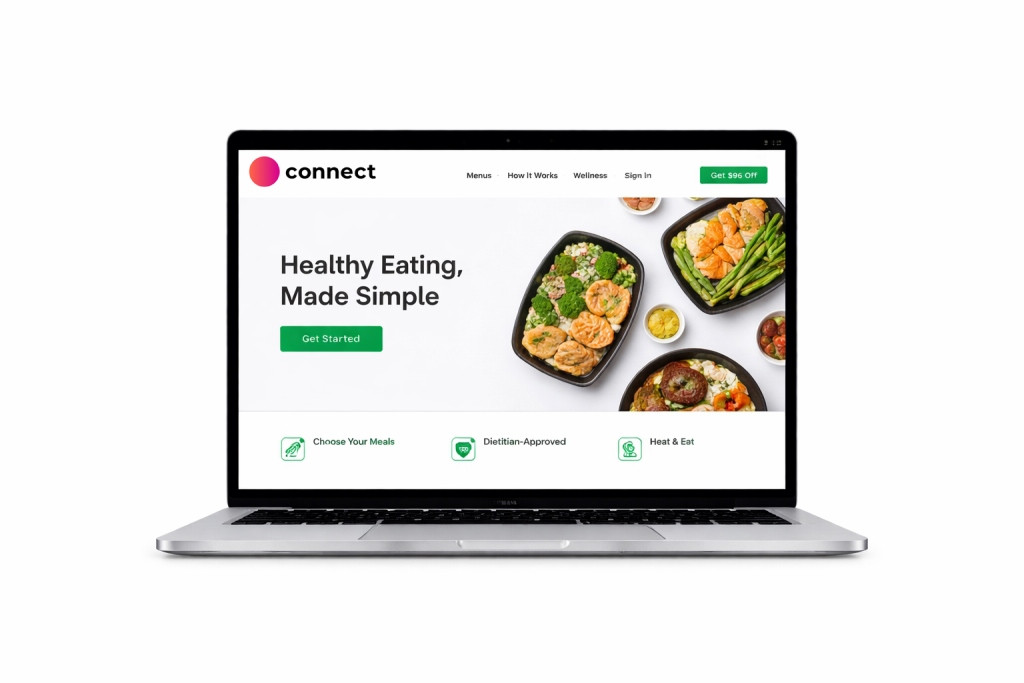
Many meal brands reach a ceiling not because of food quality, but because of infrastructure. Subscriptions feel rigid. Payments limit growth. Customer relationships stay shallow. This is where Scrile Connect becomes relevant for founders who want to go beyond copying existing Factor alternatives and instead build something they actually own.
Scrile Connect is a custom development service, not a ready-made platform. That distinction matters in food and nutrition businesses, where pricing models, delivery cadence, and audience behavior vary widely. Instead of adapting your idea to a fixed tool, the system is built around your business logic from the start.
You can launch a meal brand, a nutrition program, or a hybrid model that combines food, education, and community. Subscriptions can be weekly, monthly, flexible, or tiered. Payments support recurring plans, one-time purchases, and add-ons. Content layers allow you to include meal plans, nutrition guides, or coaching materials alongside physical products.
What You Can Build with Scrile Connect
A Scrile Connect solution supports both operational needs and long-term monetization:
- Custom subscription models, allowing full control over pricing, billing cycles, pauses, and upgrades without forcing users into one-size-fits-all plans.
- Integrated payments and member management, so customer data, orders, and access rules live in one system rather than scattered tools.
- Content and community features, useful for brands that want to add value through nutrition education, challenges, or direct communication with customers.
- Scalable audience control, meaning you decide who sees what, how plans evolve, and how new offers are introduced over time.
This approach suits founders who want flexibility. You are not locked into predefined menus or pricing logic. You can test new meal formats, introduce premium tiers, or expand into programs for athletes, families, or structured nutrition clients.
Scrile Connect works best when the goal is ownership. Instead of competing purely on price against existing Factor-style services, you build a brand with its own rules, relationships, and growth path.
Conclusion
Choosing a meal service in 2026 is no longer about finding the “best” option once and forgetting about it. People move between plans as their schedules change, budgets tighten, or goals shift. Someone might rely on prepared meals during a busy quarter, switch to meal kits for family dinners, then return to convenience again. That constant movement is exactly why Factor alternatives keep gaining traction. They exist because eating habits are fluid, not fixed.
This same behavior creates room for new businesses. Many founders look at the meal delivery space and see only intense competition. In reality, most brands struggle because they copy the same structure, pricing logic, and customer experience. When everything looks the same, loyalty stays shallow. Real growth usually comes from owning the relationship, not just shipping food.
A modern meal business can combine subscriptions with education, coaching, or community. It can adjust plans without rebuilding the system each time. It can speak directly to a defined audience instead of trying to please everyone. That level of control is difficult to achieve with off-the-shelf tools.
Scrile Connect is designed for teams who want that ownership. As a custom development service, it helps turn a meal concept into a scalable business with flexible subscriptions, payments, and audience management. If you are ready to build something tailored instead of borrowed, contact Scrile Connect today and start shaping your own path.
FAQ
Who is Factor’s biggest competitor?
There is no single competitor that replaces Factor for everyone. Trifecta competes most directly on fully prepared, macro-focused meals for performance-driven users. Green Chef and HelloFresh attract people willing to cook in exchange for lower cost and more flexibility. Purple Carrot serves a different niche entirely, focusing on plant-based eating. Mealogic stands apart by offering structured meal programs for organizations and clinics rather than individual consumers.
Which is better, HelloFresh or Factor?
It depends on how much effort you want to spend. Factor works better for people who want fully prepared meals with no cooking. HelloFresh suits those who enjoy cooking but want planning and shopping handled for them, especially in family settings.
Is Home Chef or Factor better?
Factor fits users who prioritize speed and consistency. Home Chef works better for people who want guidance but still prefer to cook, value variety, and aim to lower weekly food costs.
