
How to Make Money as a Photographer: Top Photography Income Ideas
A complete guide on how to make money as a photographer: paid shoots, licensing, stock photography, prints, courses, and community monetization. Includes examples of successful photographers and how to build your own photography website with Scrile Connect.

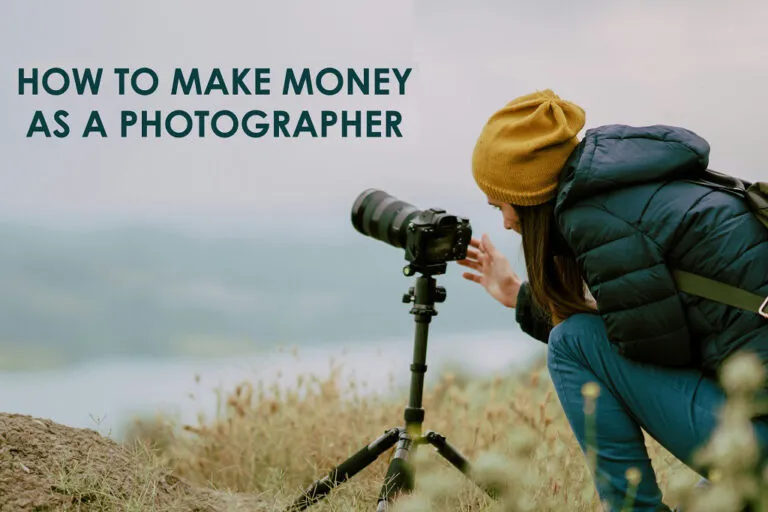
how to make money as a photographer
There’s a point many photographers hit: friends say your photos look incredible, people ask who took that portrait at the party, someone jokes you should “charge for this”… and suddenly the idea sticks. Could this be work? Could this be income? The camera doesn’t feel like a business tool yet — it still feels personal, like an extension of how you see the world.
Learning how to make money as a photographer usually isn’t about buying more gear or waiting until you feel “ready.” It starts by understanding what people actually pay for. For some, it’s the preservation of a moment they never want to lose. For others, it’s a visual language that helps shape their brand and how the world sees them. And for many, it’s simply the experience of being seen — framed, understood, and reflected back in a way only a camera can do.
This guide isn’t about overnight success. It’s about real, practical ways photographers build income — slowly at first, then more steadily as style and confidence develop.

The Core Ways Photographers Earn Money

There isn’t one single “photography job.” Most working photographers combine several income streams — some active, some passive. It becomes a mix: a few steady clients, occasional bigger jobs, and ongoing small sales in the background. Think of it like building a menu of services instead of relying on just one lane.
Common income types include:
- Paid shoots (portraits, weddings, commercial work)
- Licensing images to brands or publications
- Selling stock photos or prints
- Teaching, mentoring, or community-building
Each of these grows at a different pace, and each rewards consistency more than luck.
Direct Shooting Work
This is the most familiar path: getting hired to photograph people, products, spaces, or events. It’s also where relationships matter the most. A photographer might start by photographing friends, local creators, families, or small businesses — not because it pays big immediately, but because real-world results create trust.
You shoot a portrait session for a local musician → the café they play at wants staff photos → the café’s bakery supplier needs product images → suddenly, there’s a small network forming around your work. The chain reaction is real.
The core categories here include:
- Portraits and personal branding sessions
- Weddings and engagement shoots
- Corporate headshots and team photos
- Restaurant / café menu shoots
- Product and small business content packages
Reliability grows this side of the business. Showing up prepared, delivering on time, and communicating clearly leads to referrals — which are worth more than any ad spend. This is how does a photographer make money in a grounded, repeatable way: by becoming the person people trust to represent them well.
Licensing & Commercial Use
This is less talked about, but often more scalable. Licensing means a client pays for the right to use your image, not the image itself. One photo can be licensed multiple times to different companies over years.
Examples:
- A tourism board licensing a cityscape for brochures
- A clothing brand using lifestyle shots across social media
- A magazine using your portraits in editorial spreads
- A startup licensing your nature photo for their app background
This is different from selling prints, which is one buyer → one sale. Licensing turns one photograph into repeated income.
Small businesses especially need original photos — stock images feel fake, and audiences can tell. When a photographer builds a portfolio with personality, it becomes valuable storytelling material. This is how do photographers make money with brand work: not just taking photos, but giving companies an identity to show the world.
Stock Photography & Passive Libraries
Not every photo you take needs to be tied to a client session. Some photographers build a steady background income by uploading images to stock platforms such as Shutterstock, Adobe Stock, Getty/iStock, or Wirestock (which distributes to multiple libraries at once). The idea is simple: your photos become part of a marketplace, and each time someone licenses one, you earn a small fee.
This isn’t quick money. It’s a slow-burn system that rewards consistency, volume, and understanding what buyers search for. The photographers who do well here don’t upload random shots — they think in terms of use cases. They create the kinds of images marketers, designers, teachers, bloggers, and brands need.
Certain themes sell repeatedly:
- Hands typing on laptop (used in business blogs and corporate slides)
- People laughing in casual office spaces (positive company culture ads)
- Diverse couples and families (brands want representation)
- Seasonal events (Christmas baking, graduation day, summer picnics)
- Everyday objects with clean backgrounds (perfect for ecommerce and tutorials)
- Recognizable but not cliché travel and city scenes (local tourism campaigns love these)
This is how to make money with photographs without booking sessions: you create visual building blocks that others use to tell their stories.
And yes, it ties back into how to make money as a photographer in a layered way. Stock income builds a predictable baseline. It doesn’t replace client work for most people — but it smooths the gaps between busy months.
A strong stock portfolio usually has:
- Clear subjects
- Good lighting and composition
- Accurate metadata and keywords
- A recognizable mood or style
It’s all about consistency. A photo you took three years ago may still sell next week, quietly earning while you’re out shooting something entirely new.
Income Models Overview Table
| Income Type | Effort Level | Startup Cost | Potential Earnings | Timeline to Payoff |
| Shooting Services | High | Medium | Medium–High | Immediate |
| Stock Photography | Medium | Low | Slow & Accumulative | Long-Term |
| Licensing to Brands | Medium | Medium | High | Medium |
| Prints & Photo Books | Low–Medium | Low | Medium | Slow-Steady |
| Online Classes / Coaching | High Upfront | Low | High | Medium–Long |
Modern Revenue Streams Beyond Photos

Photography income isn’t limited to pressing the shutter. Once your style becomes recognizable, people begin valuing how you see, not just what you capture. That’s where modern income streams appear — teaching, community-building, and sharing the creative process. These methods can scale, and they build identity around your work rather than only selling output.
Online Lessons, Courses & Mentorship
People don’t only want final images — they want your approach, your thinking, your way of directing a subject or shaping light. This is where teaching becomes a powerful income stream.
There are many ways to do this, depending on comfort and personality:
- Skillshare classes for structured lessons
- YouTube tutorials to attract an audience
- Paid Zoom mentoring for one-on-one guidance
- Local workshops for experiential group learning
Photographers who lean into teaching build real followings. For example:
- Annie Leibovitz teaches not gear setups but storytelling — how to see a person.
- Jessica Kobeissi built a YouTube presence through model photography challenges, which naturally led into workshops and digital product sales.
This is where you make money with photography as a teacher, not just a service provider. The key is transparency — show your editing steps, your location choices, your thought process. People are not buying information; information is everywhere. They are buying perspective.
Subscription Communities & Exclusive Access
Once someone connects with your style, they often want more — not more photos, more access. This is where community-based income works.
Here’s what photographers commonly offer:
- Behind-the-scenes breakdowns (posing, lighting, approach)
- Lightroom presets and color-grading profiles
- Editing video walkthroughs
- Portfolio critique clubs
- Themed monthly challenges with feedback
- Private Discord / Telegram groups for ongoing support
This model turns audience into community and community into sustained income.
Examples:
- Brandon Woelfel created a signature neon-pastel editing style. His world is instantly recognizable, so selling presets felt natural.
- Peter McKinnon didn’t just review gear — he told stories. That made him relatable, which opened doors for merch, coffee brand collabs, and gear drops.
This is making money in photography while building something long-term. The work becomes less about chasing new clients and more about nurturing a space where people return because it feels like belonging.
Building Long-Term Passive Income
Passive income in photography grows quietly in the background. It’s built slowly — then one day, it feels like it’s always been there.
One of the most reliable ways to how to make money as a photographer long-term is to create work with repeat demand. City skylines. Local landmarks. Minimalist still-life compositions. Travel collections with a specific emotional tone. These images don’t go out of style — they live in people’s spaces.
Evergreen print shops are a classic example:
A small online store where you sell high-quality prints, shipped on demand, no inventory required. If one series resonates — for example, soft-blue coastal mornings or moody evening street scenes — it can generate sales for years.
Mini-scene:
You release a 12-print series of your city at sunrise. You price each piece reasonably. Over time, maybe you sell ten to twelve prints a month — not headline money, but quiet, dependable income that keeps stacking.
Next layers that build this into a system:
- Photo books tied to a theme or place
- Limited edition seasonal drops
- Background image licensing to blogs, magazines, tourism boards, and local businesses
Think of your archive as a library, not a scrapbook. Every finished photograph has the potential to keep working long after the shutter was pressed.
Real Examples: What Actually Works
Seeing how others do it makes the path feel more real. These photographers didn’t follow the same formula — they leaned into what felt natural for them.
Alex Strohl built a career around quiet, expansive landscapes. But the real turning point wasn’t just the images — it was the way he taught how he chases light and space. His income now comes from workshops in remote places, editing presets built from his tones, and beautifully printed books. His work feels like an invitation to slow down, and people pay to be part of that world.
Lola Akinmade Åkerström blends photography with storytelling and cultural geography. Her travel imagery doesn’t look like postcards — it feels lived-in. She writes, teaches, speaks, consults, and runs community travel projects. People follow her for perspective, not just beautiful locations.
High-end wedding photographers charging $5k+ per event aren’t selling camera settings. They handle emotional pacing, unpredictable light, family dynamics, and timing that only happens once. Their value is their presence, calm, and the ability to see a moment before it happens.
This is another lens on how to make money as a photographer — not by copying, but by shaping your work into something people recognize and remember.
Your Website as a Monetization Hub with Scrile Connect

A photographer grows faster when everything lives in one place. Not scattered across Instagram DMs, Linktree pages, Etsy print shops, YouTube tutorials, and a separate booking calendar. A single home base makes your work look intentional — and it makes it easy for people to support you.
This is where Scrile Connect fits.
Scrile Connect is not a pre-made portfolio template or a drag-and-drop site builder. It’s a custom development service that builds your website around your style and your business model — no forcing your brand into someone else’s layout.
You decide:
- How your portfolio is displayed
- Whether clients book sessions directly or apply for consultations
- Which galleries are public and which are subscriber-only
- Whether you offer editing lessons, 1:1 mentorship, critique sessions, or presets
- If you sell prints, digital downloads, or limited seasonal drops
Your site can also include:
- Private communities or member clubs
- Subscriber tiers with exclusive BTS or editing breakdowns
- Paid messaging, portfolio reviews, or workshop enrollment
This is where how to make money as a photographer becomes structured instead of improvisational. Instead of hoping social media sends clients, you have a system — a place where returning supporters actually land.
Scrile Connect helps photographers turn their work into a sustainable business — one with recurring income, loyal community, and a brand that feels complete and professional.
Conclusion
Most photographers who last don’t rely on one income source. They build slowly: client work, prints, licensing, teaching, maybe a subscription community later on. Style becomes recognizable. Trust builds. The work compounds. There’s no single right timeline — just steady practice and small systems that support you.
Learning how to make money as a photographer is less about chasing trends and more about finding the version of photography that feels natural to you — and building ways for people to engage with it.
If you want a place to organize your offers — prints, bookings, subscriptions, courses — explore Scrile Connect and build a photography space that’s truly yours.
FAQ
Do photographers make good money?
Yes — though income varies. Many freelance photographers start around modest yearly earnings, but those who build diverse income streams (client work + licensing + workshops or subscriptions) can earn significantly more. It depends less on gear and more on consistency, niche, and relationships.
What type of photographer makes the most money?
High-earning photographers usually work in specialized or emotionally high-value niches — weddings, commercial branding, advertising campaigns, product launches, or fashion. These require trust, reliability, and clear creative identity, which is why clients are willing to pay more.
Is 27 too late to become a photographer?
No. Photography isn’t an age-gated profession. Many successful photographers started in their late 20s, 30s, or later. What matters is practicing, sharing work, learning from feedback, and building a direction that feels personal. Experience and perspective are assets, not obstacles.
