
How to Make Money on Social Media Without Being an Influencer
Tired of posting for free? Learn how to make money on social media without chasing influencer status. This guide explains real monetization models, platform limits, and how to turn followers into paying customers with your own branded website built through Scrile Connect.


how to make money on social media
You post every day. Reels, stories, tweets, shorts — the feed never stops. Yet your wallet looks the same. Likes keep climbing, but the bank account doesn’t move. You start to wonder how to make money on social media when all the attention feels so empty.
Most people assume there’s only one way — become an influencer, chase followers, land sponsorships. But that game is stacked. Out of millions of active creators, only a tiny fraction ever sign brand deals. The rest create for free, feeding platforms that grow richer with every post.
The truth is, small creators, educators, coaches, even local business owners can turn content into income — just not the way social networks want them to. According to Statista, social media generated more than $200 billion in global revenue in 2024, but most users earned less than $100 a month from platform ad programs. That gap says everything.
This article breaks down what that system looks like — the monetization models that actually pay, the limits built into algorithms, and how some people are quietly stepping off the hamster wheel. Near the end, we’ll look at Scrile Connect, a service that helps creators build their own paid communities and keep what they earn.
The Problem: Activity ≠ Revenue
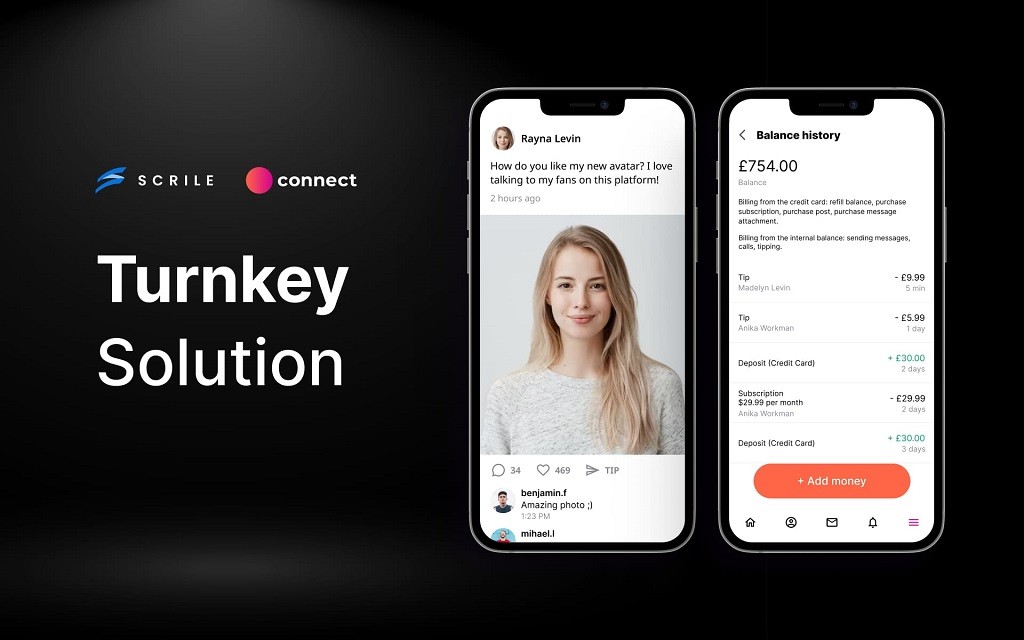
You’ve built an audience. Ten thousand followers, steady engagement, a few viral posts here and there — and still, not a single paycheck. That’s the quiet frustration shared by thousands of creators trying to figure out where all the money goes. Engagement feels great, but it doesn’t pay rent.
The gap between visibility and income is wider than most people realize. Platforms thrive on activity, not creator earnings. Every like, view, or comment fuels the algorithm, which sells more ads — but the payout that trickles back to users is almost symbolic. On YouTube, ad share can dip below $1 for every 1,000 views. TikTok’s Creator Fund pays even less, sometimes just a few cents per thousand. Instagram offers bonuses for Reels, but only to a fraction of its user base.
It’s not about effort — it’s about structure. Without a defined monetization path, followers don’t translate into customers. You can post every day and still never move past “exposure.”
You’ll often hear these stories on Reddit or creator forums — people sharing screenshots of videos with a million views that made them less than $20. It’s disheartening. Some creators burn out. Others disappear.
Here’s why this keeps happening:
- Algorithms prioritize watch time, not revenue fairness.
- Platforms control ad placement and payout timing.
- Virality benefits the platform’s traffic metrics more than the creator’s pocket.
- Monetization tools are either exclusive, underpaid, or geographically restricted.
That’s the cycle — constant posting, little return, endless chasing. But creators who start earning consistently share one thing in common: they stop depending on luck. They build systems that connect their audience directly to revenue. And that’s where the story changes.
Main Monetization Models — From Ads to Subscriptions

Before you quit your side hustle in frustration, it helps to understand where the real income comes from. The truth is, there’s no single formula for how to make money on social media — but there are a few models that work again and again, especially for people who stop chasing virality and start treating their online presence like a small business. Let’s look at how these models actually bring cash in, not just likes.
Advertising & Brand Collaborations
Advertising is the oldest way creators earn, but it’s also the hardest to scale. Platforms pay based on CPM — cost per thousand views. On YouTube, the average CPM ranges between $1 and $5 depending on niche and geography. A creator would need around 1 million monthly views to make roughly $2,000–$3,000 in ad share. For smaller channels, that’s nearly impossible without a breakout video every week.
Brand collaborations fill some of that gap. Companies pay for sponsored posts, product mentions, or short-form shoutouts. But again, those deals mostly go to influencers with tens of thousands of followers. For everyone else, it’s unstable income — one month busy, the next one empty.
Common downsides of ad-based monetization include:
- Unpredictable payout cycles.
- Heavy dependence on algorithms.
- No ownership of ad placement or pricing.
- Brands dictating creative direction.
So, while advertising can look like the easy answer, it’s often a volume game that favors the biggest names, not the most skilled creators.
Donations & Tips
Donations turn engagement into appreciation. Fans who love your work are often willing to give directly — no middleman, no platform cuts. Services like Patreon, Ko-fi, or YouTube’s “Thanks” button make that possible.
According to data from Afluencer, fan-funded income has grown by 30% year over year. People value creators who show transparency — where the money goes, what it supports, how it helps them continue making content. Loyalty builds trust, and trust builds recurring support.
If you’re figuring out how to make money off social media, this is one of the most personal, community-driven paths available. It’s not about huge numbers; it’s about connection. A few hundred true fans can sustain a creator far better than a hundred thousand casual followers.
Effective donation models often include:
- Weekly or monthly contributor updates.
- Exclusive thank-you notes, stickers, or small rewards.
- Public acknowledgment (only if fans consent).
- Progress tracking — showing where donations make an impact.
Subscriptions & Exclusive Content

Subscriptions are where creators finally find stability. Instead of hoping for ad pennies or random tips, they build recurring income from people who actually care. Monthly memberships, paywalled posts, or private chat access all fall into this category.
Teachers, coaches, and fitness trainers are some of the earliest success stories. They’re not “influencers” in the usual sense — just experts turning knowledge into a sustainable business. A yoga instructor can charge $10 per month for video classes, a guitar teacher can host private lessons behind a paywall, and a small community can run entirely on member contributions.
Platforms like Patreon, Fanhouse, and Buy Me a Coffee have shown that audiences are comfortable paying for exclusive access — especially when content feels personal. It’s not about gatekeeping; it’s about value exchange.
If you’re thinking about how to make money from social media, subscriptions are the closest thing to a real paycheck. They don’t depend on an algorithm or a trending sound — just the relationship between you and your audience.
Successful subscription models usually include:
- Tiered pricing (basic access, VIP content, coaching sessions).
- Regular, predictable updates — consistency matters more than volume.
- Personal engagement: live chats, shoutouts, behind-the-scenes content.
- Simple payment flow — no friction between curiosity and checkout.
Each of these monetization paths proves that creators don’t need fame to profit. What they need is direction — a plan that moves engagement toward ownership. And that’s the next step in learning how to make money on social media without being an influencer: building something that belongs entirely to you.
Comparison of Social Media Monetization Models
| Model | Income Source | Pros | Cons | Best For |
| Advertising | Ad share per view or click | Scalable with audience reach | Requires massive traffic to earn significantly | YouTubers, bloggers |
| Donations | Fan contributions through Patreon, Ko-fi, etc. | Builds loyalty and flexible funding | Unstable and unpredictable income | Artists, writers |
| Subscriptions | Paid monthly access to exclusive content | Predictable revenue stream | Requires consistent, ongoing content creation | Coaches, educators |
| Merch / Products | Physical or digital goods (eBooks, presets, merch) | Direct profit and creative control | Involves logistics, fulfillment, and marketing | Designers, streamers |
Platform and Algorithm Limitations
The harsh truth about how to make money on social media is that you don’t really control the space you’re building on. You can have thousands of followers and still wake up one morning to find your reach cut in half — or worse, your account suspended. The platform owns the audience, the algorithm, and the paycheck. You just rent the space.
Creators learn this the hard way. A single change in YouTube’s monetization policy or a tweak in TikTok’s recommendation algorithm can erase months of progress overnight. Even loyal followers stop seeing your posts once engagement dips below the platform’s invisible threshold. That’s not bad luck — it’s system design.
Take TikTok’s Creator Fund, for example. Once advertised as a way to reward creators, it ended up paying only a few cents per thousand views before being replaced with a limited ad revenue program. YouTube’s ad eligibility rules are equally strict: no monetization until you have 1,000 subscribers and 4,000 watch hours. For most small creators, those milestones take years.
When you depend entirely on platform revenue, you’re building on borrowed ground. That’s why learning how to make money off social media is crucial — it means taking what you’ve built and moving part of it somewhere you actually own.
What Platform Dependency Really Costs Creators
Every creator pays hidden costs for staying tied to algorithms and policies that change without warning:
- Algorithm volatility. Reach drops suddenly, sometimes without reason or explanation.
- Revenue cuts. Platforms take anywhere from 30% to 50% of what you earn.
- Demonetization traps. A flagged word or copyright claim can freeze your income for weeks.
- Data control. You don’t own your followers’ emails, preferences, or analytics.
- Limited creativity. Platforms restrict what you can post or sell, especially adult or niche content.
- Brand fatigue. Competing with massive influencers on the same feed makes it nearly impossible to stand out.
- Unstable payouts. Late payments, broken features, and country restrictions are common.
That’s why smart creators eventually look beyond social networks. They still post, still grow, but they direct traffic toward a space they control — their own website or membership hub. Knowing how to make money with social media means understanding that true income doesn’t come from likes; it comes from ownership. And that’s where independence — and profit — really start.
The Advantage of Owning a Personal Sales Website

If platforms limit your reach, what if you built your own? It’s the question every creator eventually faces after chasing views that never translate into real income. Owning a personal, branded website is how you turn traffic into profit — on your terms, not the algorithm’s.
Here’s what changes when you control the space where your audience lands:
- Direct payment systems: no platform cuts or payout delays — fans pay you directly.
- Data ownership: you see who subscribes, what sells, and how engagement grows.
- Branding freedom: your site reflects your tone, colors, and pricing strategy.
- Custom monetization: combine subscriptions, tips, digital sales, or pay-per-view content.
Think of a musician who once relied on streaming pennies but now earns consistent income from fan-only access on their own site. That’s how do you make money from social media — by guiding followers off the feed and into a space that belongs entirely to you.
Convert Followers into Customers with Scrile Connect
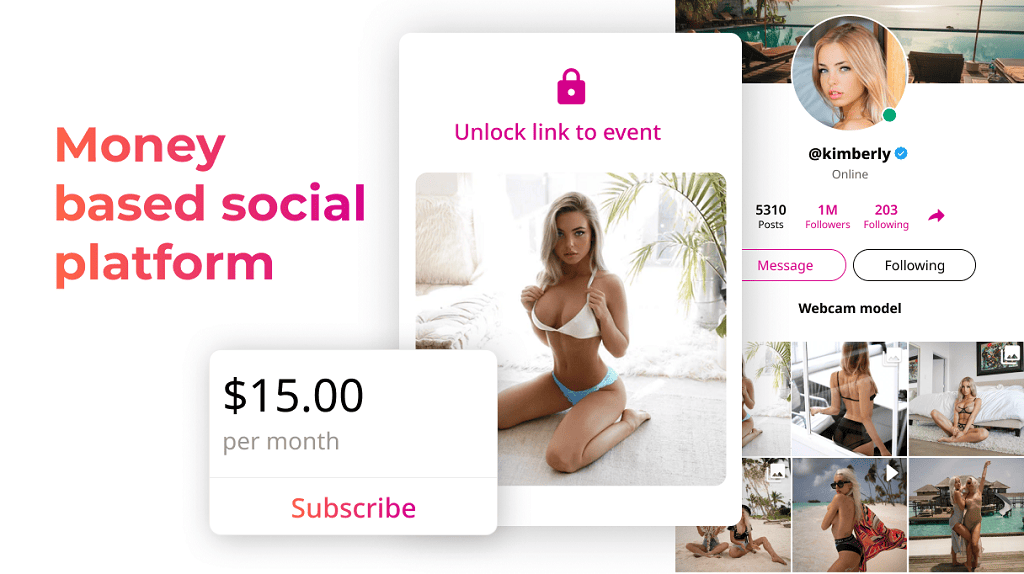
Once creators realize that platform income isn’t scalable, custom development becomes the logical next step. That’s where Scrile Connect changes the game. It’s not another app or plugin — it’s a development service that helps you build your own branded ecosystem, designed specifically around your content and business model.
Scrile Connect creates white-label platforms for creators, coaches, mentors, and entire communities. Every element — from interface design to subscription structure — is tailored to your goals. The system includes integrated payments, multiple subscription tiers, real-time chat and analytics, and tools to manage your audience effortlessly. You decide the design, pricing, and user experience, while Scrile’s team takes care of compliance, hosting, and long-term support.
Imagine a wellness coach running paid video sessions, hosting workshops, and maintaining private member chats — all under one custom website. That’s how to make money on social media without being an influencer: by using what you already know, packaging it professionally, and selling it directly to those who value it most.
For creators ready to build independence and full control, the Scrile Connect team can help turn followers into paying customers — no middlemen, no algorithmic limits, just your business, your brand, your rules.
Conclusion
Posting alone doesn’t pay; ownership does. Learning how to make money on social media means understanding that success comes from control, not algorithms. Real income happens when you move followers to a platform that belongs entirely to you.
To build a site where your work earns directly — without sharing revenue or reach — contact the Scrile Connect team and start shaping a community that pays you for your real value.
FAQ
Which social media is best for making money?
Each platform offers something different. TikTok rewards short-form creativity through ad sharing, YouTube pays for views, Snapchat supports Spotlight bonuses, Pinterest enables product tagging, and X (Twitter) allows subscriptions. The right choice depends on your content style and audience.
Is it possible to make money using social media?
Absolutely. Many creators earn through digital sales, coaching, or fan support — not just influencer sponsorships. Strategy matters more than follower count.
Does Instagram pay money?
Yes, but mostly to big creators. Smaller users often earn more through direct subscriptions or personal membership websites.
Read also
| Article | Why it’s worth reading |
|---|---|
| Telegram Monetization Masterplan: Earn in 2026 – Scrile | If you already run a Telegram channel or community, this guide gives you a full picture of monetization models so you can choose the best mix of subscriptions, paid content and funnels. |
| Promote Your Telegram Channel Free: Tips 2026 | Before you think about heavy monetization, you need growth — this article focuses on organic tactics to get more real subscribers without burning money on ads. |
| Send & Receive Money on Telegram: 2026 Payment Guide | Once your audience is engaged, this guide explains what’s actually possible with payments inside Telegram, which methods are safe and how to avoid blocking or chargeback headaches. |
| How to Make Money on Telegram: Full Guide 2026 | If you want a concrete action plan, this piece brings together formats, pricing ideas and funnel examples so Telegram turns from “just a channel” into a real revenue stream. |
