
How to Promote a Fundraiser Online and Offline
Discover how to promote a fundraiser with smart online and offline tactics. From social media tips to building your own donation site with Scrile Connect, this guide helps you grow support, raise more, and keep full control.


how to promote a fundraiser
A good cause can move people, but it rarely reaches its full potential without a clear plan for visibility. Learning how to promote a fundraiser is just as important as setting it up, because donations often come from the circles you actively reach, not the ones you hope will notice on their own. Promotion is where a fundraiser gains momentum, structure, and a story people can share.
Both online and offline channels play a role. Social platforms help you spread the message fast, while local outreach builds personal trust. Each works differently, yet both depend on the same thing: a story that feels real and a message people understand at a glance. When supporters know what the fundraiser is for and why it matters, they’re far more likely to act.
In this guide, we’ll explore practical tools, strategies that actually work, real examples, and how Scrile Connect helps you create a fully branded fundraising space you control.

Why Fundraisers Struggle Without a Promotion Plan
It’s one thing to care deeply about a cause. It’s another to get people to notice, understand, and take action. That’s why learning how to promote a fundraiser is just as critical as organizing the fundraiser itself. Passion helps, but promotion moves the needle.
Most campaigns don’t fail because the idea is weak—they fall flat because the effort ends at “share and hope.” Visibility is fragile. Without a real plan, attention fades fast. Social media timelines scroll on. Emails get buried. People forget unless you keep showing up.
And then there’s the real kicker: most of your funds usually come from a small group of core donors. That’s the 80/20 rule in action. If you don’t actively nurture that group—or give them reasons to stay involved—you lose the campaign’s lifeline.
Common Mistakes That Stall Momentum
Don’t assume your story will carry itself. These oversights can quickly stall even a promising fundraiser:
- Unclear or generic visuals. A dull banner or pixelated photo won’t grab attention. Emotional, well-composed imagery works better.
- No real schedule. One post won’t do much. Fundraisers need consistency—daily or weekly nudges keep it alive.
- Silence after launch. Updates matter. Donors want to feel included, not forgotten. Progress posts encourage more giving.
- Skipping offline. Posters, local events, even chalkboards in cafes can reach people digital ads miss.
- Donation friction. Long forms or clunky buttons drive people away. A clean process matters more than you’d think.
You don’t need to go viral. You just need to show up with purpose, again and again. That’s what makes a fundraiser grow.
Main Promotion Channels: Online, Offline, and the Blend
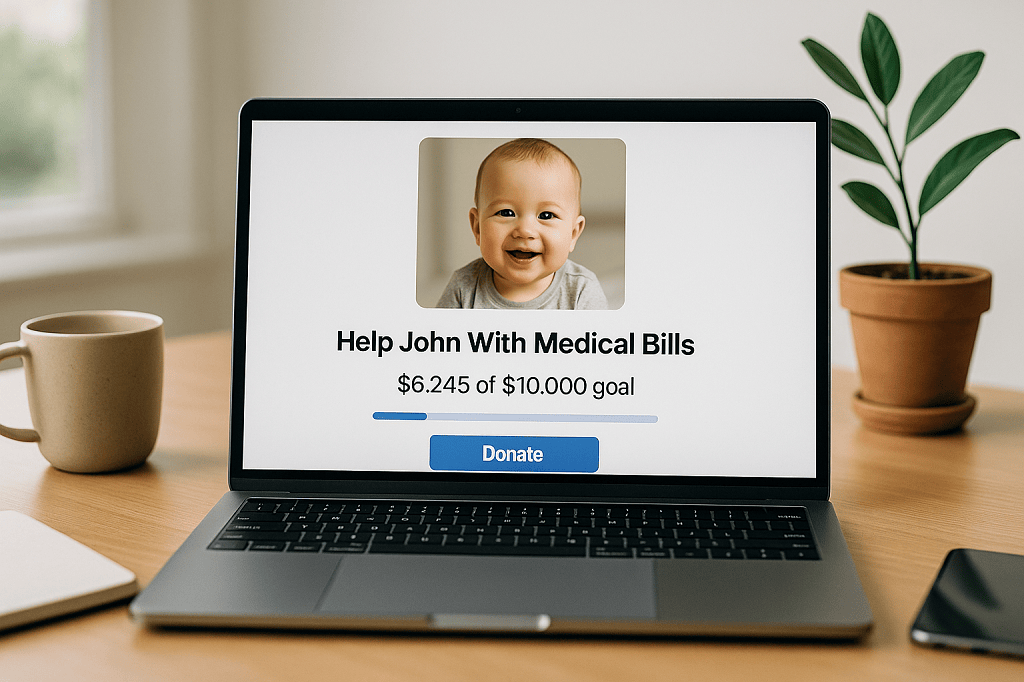
A great idea needs the right megaphone. When people search how to promote a fundraiser, they usually think of Facebook posts or maybe an email blast. But the truth is, no single channel works in isolation. The best campaigns blend digital reach with local presence—so people see the cause everywhere, not just once.
Online tools are fast and scalable. Offline ones are personal and often more memorable. Getting both to work together is where real visibility kicks in.
Let’s look at the tools available and how to make them play well together.
Digital Channels That Scale
Digital lets you go big without a big budget. The trick is staying focused and knowing what each channel is good for:
- Social media (Facebook, Instagram, TikTok, WhatsApp): Ideal for quick storytelling, behind-the-scenes updates, and community building. Each platform favors different content—Instagram loves images, TikTok wants vertical short videos, Facebook groups can build trust.
- Email sequences (Mailchimp, ConvertKit): Still one of the most reliable tools. Send an initial pitch, follow-ups with updates, and a thank-you at the end. Automating reminders saves energy.
- Short URLs and QR codes: Perfect for flyers, packaging, or local ads. Services like Bitly track clicks, while QR codes let smartphone users jump directly to the donation page.
Each of these channels supports fundraising advertising that feels less like an ad and more like an invitation to take part.
Offline Tactics That Still Work
Offline isn’t dead. In many communities, it’s still the heart of local support. If you’re wondering how to advertise fundraisers beyond screens, here’s where to start:
- Flyers in schools, cafés, libraries, and community boards: Design matters—don’t just print text. Include a photo and a scannable QR code.
- Local radio or church bulletins: These spots often cost less than digital ads and reach an entirely different crowd.
- Small business partnerships: Local bakeries or salons might display your flyer or add a note to receipts. Offering a shout-out in return builds goodwill.
When you combine these efforts, you create a campaign that speaks to people wherever they are. That’s the backbone of a smart approach to how to promote a fundraiser.
Comparison Table
| Promotion Channel | Type | Best For | Tools / Platforms to Use |
| Instagram Reels & Stories | Online | Fast engagement, visual storytelling | Meta Business Suite, Canva, InShot |
| Community bulletin boards | Offline | Hyper-local exposure in schools or cafés | Printed flyers, local approval boards |
| Email drip sequences | Online | Keeping donors informed and engaged over time | Mailchimp, ConvertKit, Substack |
| Event flyers | Offline | Sparking interest at local events or venues | Canva, FedEx Print, Office Depot |
| TikTok challenges | Online | Youth-driven reach and viral momentum | TikTok Creator Tools, CapCut |
| QR codes on posters | Offline + Online | Bridging real-world and digital donations | Bitly, QR.io, custom donation URLs |
| Facebook event pages | Online | Organizing a live or virtual fundraising moment | Facebook, Eventbrite |
Storytelling and Transparency: The Real Conversion Drivers
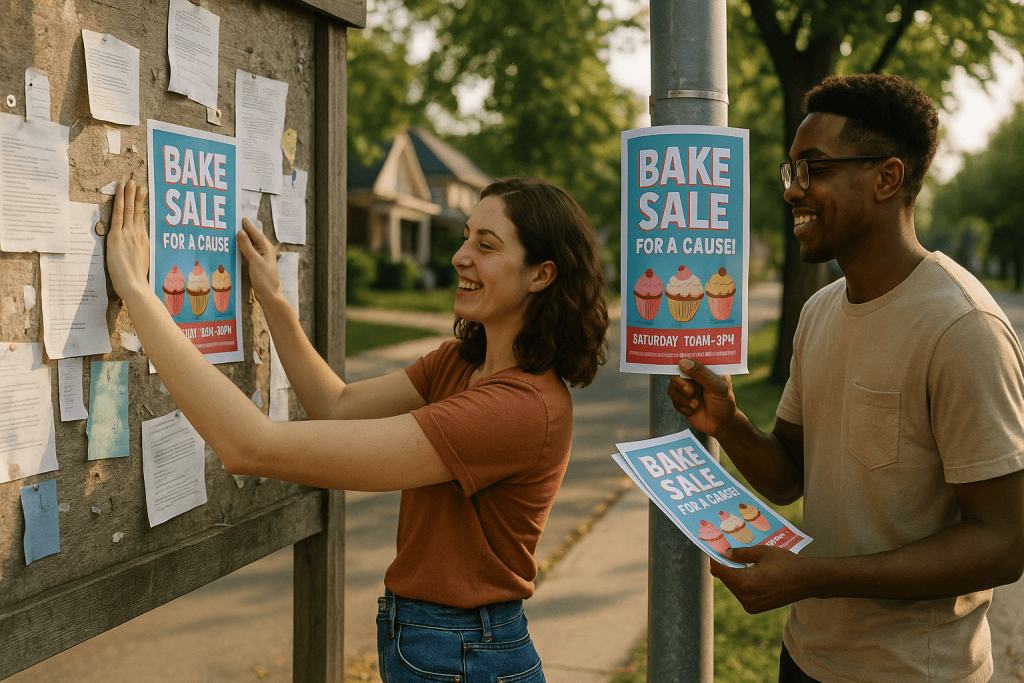
It’s easy to think that a sad photo or a heartfelt caption is enough to move people. But knowing how to promote a fundraiser well means going beyond emotional cues. What really pushes someone to donate isn’t just a feeling — it’s trust. And trust only comes from clarity.
People want to know exactly what they’re supporting. Spell it out. Where is the money going? Who will receive it? What impact will it have, and how soon? If a fundraiser helps cover hospital bills, show the breakdown. If it’s for a school trip, explain how many kids it will support and what the budget looks like. Vague goals raise red flags — donors don’t want mystery.
Transparency also means showing progress. Don’t just describe the problem. Show the solution as it takes shape. Use real numbers, quick updates, photos of milestones. Let people see the change their money is making.
And then, make it easy to pass that trust along. Personal videos, first names, and real voices do more than any graphic. Keep your donation page clean and mobile-friendly. Remove distractions. Use familiar payment processors or trusted third-party tools if needed. And include social sharing buttons in the right places — not just at the end.
People might come for the story, but they stay (and give) for the confidence they feel. If you want to learn how to advertise a fundraiser, start by making it easy to trust, easy to verify, and easy to share. That’s what gets donations — and what gets donors to return.
What Works: Examples of Successful Fundraisers
Some campaigns catch fire quickly — not because of luck, but because of clarity, emotion, and smart outreach. If you’re learning how to promote a fundraiser, looking at real-world success helps pinpoint what actually resonates.
One memorable GoFundMe campaign raised over $400,000 for a small bakery in Chicago after it was vandalized. What made it work? The organizers filmed a raw, 2-minute video with the bakery owner standing in the wrecked storefront. No high production value, just sincerity and urgency. The video went viral on Twitter, drawing media attention and donations from strangers across the country.
Another example came from a Mailchimp-featured nonprofit that launched a local challenge in Austin: bike 100 miles in 10 days to raise money for children’s literacy. They used Instagram Stories to show progress, paired with short daily email updates. Local bike shops got involved and shared the fundraiser on their own channels. The result? More than 4,000 donations in under two weeks.
So what tied these very different campaigns together?
Why these campaigns took off:
- Clear CTA — Each had a specific, simple call to action: “Help this small business recover” or “Donate a dollar per mile.”
- Compelling visuals — They showed faces, motion, and real context, not just flyers or graphics.
- Specific, shareable goals — Goals like “raise $10k for repairs” or “get 1,000 kids books by July” gave supporters something they could remember and repeat.
These stories show that learning how to market a fundraiser isn’t about trends. It’s about clarity, emotion, and making it easy for people to rally behind something they understand and believe in.
Increase Donations with Smart Moves

Once a fundraiser is live, you still need momentum. Knowing how to promote a fundraiser at this stage means giving people reasons to act now instead of “later.” Small shifts in presentation can raise the average donation, bring back past supporters, and turn casual visitors into loyal advocates.
Many campaigns see a spike when there’s a sense of timing. A simple countdown, a short deadline, or a matching gift window creates natural urgency. Donors understand that their action carries more weight in those moments. Clear donation presets help too. When people see suggested amounts, they choose faster and often give a little more than they planned.
Updates matter just as much. A progress bar that moves, a note about a recent milestone, a quick thank-you message — these little signals keep the fundraiser alive in the minds of supporters. They remind people that the campaign is active, growing, and worth sharing.
Practical Tips
Here are practical moves that consistently help campaigns rise:
- Use time-bound triggers. Short deadlines, matching gifts for 24 hours, or “finish the week strong” pushes give donors a simple reason to act now.
- Offer preset donation options. Suggested amounts give structure, speed up decisions, and often increase the average contribution.
- Share frequent updates. Donors appreciate small messages: a new photo, a progress note, or a quick story that shows how things are moving forward.
- Give supporters ready-made templates. Short captions, shareable images, and one-click links make it easier for people to spread the word without rewriting everything themselves.
- Keep personal outreach personal. A direct ask works best when it feels genuine. Tell people why their share matters instead of sending a generic plea.
- Invite donors to become ambassadors. Encourage them to post their own stories about why they contributed. Their voice often reaches corners your campaign never would.
Each of these steps adds small sparks of movement — and together, they help a fundraiser grow stronger every day.
Launch a Custom Fundraising Site with Scrile Connect
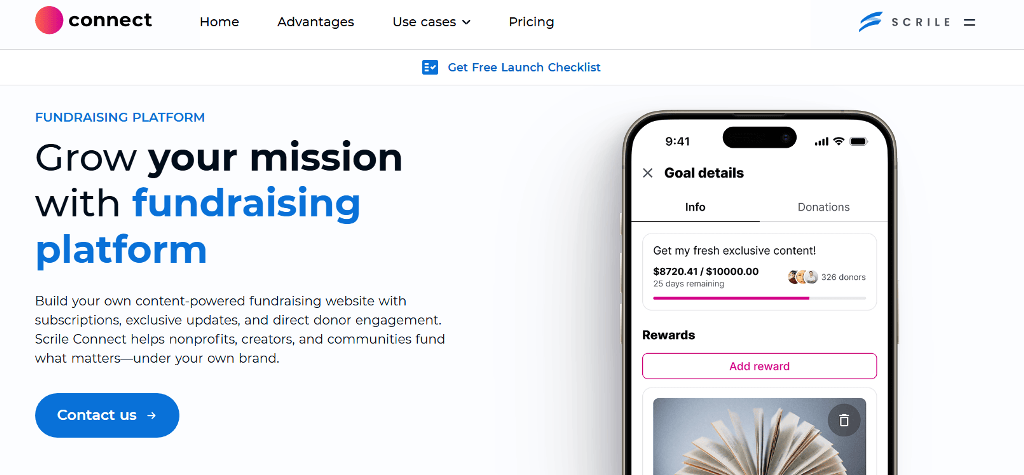
Most fundraisers today rely on borrowed tools. Their branding takes center stage. The layout follows their design rules. Even the payment process runs through their system. It works — until you want control, privacy, or your own identity. That’s where Scrile Connect changes the game. This isn’t another plug-and-play platform. It’s a development service that builds your fundraising site around you.
Instead of renting space on a third-party platform, Scrile Connect gives you your own. The structure is tailored: visuals, layout, access, and even payment gateways follow your rules. You can set up a public campaign or keep it limited to a circle of trusted donors. Every page looks like your brand — not an ad for someone else’s service.
Here’s what makes it work:
- Branded donation page – Complete design freedom. Your tone, colors, and content. No outside logos, watermarks, or system messages.
- Integrated payments – Accept debit cards, credit cards, or cryptocurrency. Choose what fits your supporters best.
- Donor analytics – View patterns, track recurring gifts, and understand who your core audience is.
- Custom login areas – Create private experiences. Limit access to a memorial, church circle, school fundraiser, or event guest list.
- Built-in chat and comments – Keep supporters engaged and informed with real-time discussion.
- Mobile-ready interface – It works cleanly across devices. No resizing, no crashing, no confusion.
Scrile Connect supports more than a donation button. It helps you run a real campaign under your own name, with your own strategy. This is fundraiser marketing with backbone — not decoration. You decide how the story is told, and the platform never gets in the way. If you’ve ever thought, “I wish we could just build our own site for this,” now you can. Scrile Connect does the heavy lifting so you can focus on impact.
Conclusion
Knowing how to promote a fundraiser is what turns a good cause into a real movement. It’s not enough to set up a donation page and hope — visibility and momentum require a plan. Mixing online tools with offline efforts creates stronger engagement, more trust, and better results.
Whether you’re reaching out through TikTok, printing flyers for the neighborhood board, or scheduling updates for your email list, every action builds toward your goal.
If you’re ready to create your own branded donation site with full control and no compromises, contact Scrile Connect team today.
Related guides
- Best Donation Platforms for Nonprofits in 2026
- What Is a Church Online Platform and How Does It Work?
- 15 Church Website Ideas to Inspire Your Design
- Donation Page Examples to Inspire Your Website
FAQ
How do I advertise my fundraiser?
Use a combination of channels — social media, email updates, community events, and printed materials. Rotate content formats and repeat your message across platforms to stay visible.
What to say when promoting a fundraiser?
Focus on impact. Explain what donations support, why it matters, and how people can help. Use clear, encouraging language to motivate action.
What is the 80/20 rule in fundraising?
This principle says that around 80% of your total donations may come from 20% of supporters. Recognizing and nurturing that small group is essential for success.
