
Best Influencer Website Examples and Tips for 2026
Find out about the most effective influencer websites and how they develop a professional presence that makes them stand out from the crowd. This article provides you with many different styles of layouts from an effective influencer website and the best website builder for an influencer.


influencer website examples
Why Influencers Need a Personal Website in 2026
If you look at the most successful creator businesses today, one pattern stands out fast. Behind the social profiles, there is almost always a personal website doing the heavy lifting. Social media is used primarily to promote and attract variable and unpredictable amounts of traffic. A personal website allows you to make the unpredictable and variable traffic generated through social media consistent, predictable, and reliable. That’s why influencer website examples from the past few years increasingly look less like simple portfolios and more like full-scale digital businesses. Let’s see why it happens.
Algorithms Change
Platforms limit reach. Monetization rules tighten overnight. So, a personal website serves as an opportunity for influencers to collect all their followers, content, and revenue into one centralized location free from third-party involvement. This shift also explains why influencer website design now focuses less on decoration and more on clarity, speed, and conversion.
Credibility
Another reason for building a personal website is credibility. Companies, agencies, and partners will judge a creator’s level of professionalism by their website. A professional website indicates to brands, agencies, and partners that the creator sees themselves as an entrepreneur rather than a part-time creator. Professional websites are built on clear calls to action, appealing imagery, and a friendly “how to” tone, all of which will improve a brand’s or company’s decision to collaborate.
Scalability
Then comes scalability. Social profiles are great for growth, but they are weak as business infrastructure. A website allows influencers to test offers, collect emails, sell products, and build long-term assets. Choosing the best website builder for influencers is often the first strategic decision here. The right platform saves time, supports monetization, and grows with the audience instead of limiting it.
In short, a personal website is no longer optional. It’s the foundation that supports visibility, trust, and income at the same time.
Key Elements of Successful Influencer Website Design

A good-looking site is nice. A high-performing one is better. The strongest influencer website design choices balance personality with purpose. Every element should guide visitors toward a clear action, not distract them. When design supports business goals, websites stop being digital business cards and start working as conversion tools.
Clear Positioning Above the Fold
Your homepage is the most important element of your website design. Visitors must know within seconds who you are, what you do, and why they should care. It is best to use short headlines and one call to action. When choosing a call to action, do not use one that will cause confusion. The easiest way to lose a visitor’s attention is by providing them with too many choices.
Successful influencer sites do not use generic statements. “Content creator” does not tell the viewer much at all. It is more trustworthy to create a specific niche for yourself than to attempt to create a clever one. You will build credibility and trust with your audience much faster if you are precise rather than clever.
Consistent Visual Identity
A consistent visual identity helps create familiarity among consumers through color themes, typography, and imagery designed to align with their existing social media presence. This includes using complementary designs rather than overly designed interfaces. In general, the less design in a layout, the more likely consumers will focus on the actual content and offerings.
Using non-stock photography in lieu of stock photography has a greater impact on how connected a consumer feels to a brand and how much ‘humanity’ they associate with that brand. Minimalist web pages can still convey premium designs as long as the imagery works together.
Conversion-Driven Structure
All pages on a website serve a purpose, and the goal for most homepages is to provide a landing page for users who want to subscribe, book, or buy something. Secondary pages exist only to support the goal of the home page; they do not replace it. A smart layout will create opportunities for the user to take action multiple times without being too forceful.
Keep navigation as simple as possible. The more limited the selection of choices, the greater the likelihood of making a purchase. Successful influencer sites generally follow this principle.
Speed, Mobility, and Usability
People frequently arrive on mobile devices, and they will leave if your site is slow or apprehensive. Quality code, lightweight design, and responsive layouts must be present. When good usability is done well, it is not readily apparent. However, if good usability is not done well, it is quite clear to see.
Influencer Website Examples That Set the Standard

Looking at real influencer website examples is one of the fastest ways to understand what actually works. Trends come and go, but strong patterns repeat themselves across niches. The best sites don’t try to impress everyone. They focus on a clear audience and guide visitors with confidence.
Personal Brand–First Websites
Most successful creators base their whole website on one thing: their personality. Websites like this have a very direct, human feel to them and typically have a central homepage that directs people to all of the creator’s content, collaborations, and monetization opportunities.
In fact, the most notable aspect is the tone of the text. The copy reads as someone who is an influencer, rather than corporate marketing. This will give your audience a sense of trust and familiarity almost immediately. The design will have a clean look but will never be considered cold.
Creator Businesses and Product-Driven Sites
Some of the strongest influencer website examples belong to creators who sell something specific. Different elements combine to create the entire model. As such, these sites tend to have a more planned approach versus being experimental.
The page funnel is clearly defined. People will get educated, feel confident, and then be presented an offer. The use of social proof supports the sale without being ‘pushy’ in nature.
Lifestyle, Fashion, and Visual Niches
Design plays an invaluable role in the communication of a visual niche by having large imagery, editorial layouts, and ample whitespace for visual communication. Blog content is merged with curated shopping or affiliate links on many of these sites. However, the highest-quality sites strive to maintain an uncluttered feel while using large amounts of visual media and having a simple form of navigation. As a result, content moves seamlessly throughout these sites, and CTAs usually fall within user expectations for placement.
What These Examples Have in Common
Influencer websites come in a variety of different formats. However, they tend to have similar characteristics: clear positioning, simplicity of structure, and intentional monetization. When you align these three elements together, the design of your website goes beyond aesthetics. It becomes a way for you to monetize through different ways you can actually create income from your audience.
Best Influencer Websites by Category and Niche

When you break down the best influencer websites by niche, the differences become clear fast. Each influencer category has different audience expectations, content formats, and monetization logic. The smartest influencers will create their websites based on those characteristics of their particular category as opposed to copying some generic template.
| Influencer type | Focus & features |
| Fitness and wellness influencers | Centered on transformation and trust. Programs, challenges, and coaching offers are highlighted. Minimal navigation, with progress stories, before-and-after visuals, clear timelines, and emotional language emphasizing results. |
| Business, finance, and education creators | Authority-driven. Structured layouts with calm design. Includes long-form content, case studies, educational resources, and lead magnets like email subscriptions, webinars, and consultations. |
| Entertainment, gaming, and streaming influencers | Engagement-focused. Interactive layouts with fan clubs, exclusive content, membership access, live content integration, and frequent updates. Websites act as extensions of their communities. |
| Global and multi-platform creators | Designed for scale and accessibility. Simple language, platform-agnostic layouts, flexible payment options, and content optimized for diverse audiences. Focus on reach and growth. |
Across niches, the principle stays the same. The best influencer websites adapt to their audience instead of forcing visitors into a fixed structure.
Influencer Landing Page Examples That Convert Followers Into Customers

Not every campaign needs a full website. Sometimes, one focused page does the job better. That’s where a strong influencer landing page comes in. These pages are built for action, not exploration. One message, one goal, and no distractions.
What High-Converting Landing Pages Have in Common
A landing page that works offers no resistance to the user. It will not cause confusion for the individual visiting. The headline will be short and benefit-oriented; the message will address a specific pain point or desire of the reader. If the benefit cannot be identified in less than 3 seconds, the page fails on its intended purpose.
The use of visual hierarchy is also important in this instance. So, the eye must be led through the primary message, to social proof, and finally to the call to action in a natural progression of movement. Buttons may be prominent without being obnoxiously overwhelming by retaining a sense of confidence without being pushy.
Common Use Cases for Influencers
The majority of creators make use of landing pages in order to build email subscriber lists. A free gift usually converts well because people want something, even if they aren’t interested in paying for it. Other examples of landing page use include launching products, offering limited edition items, and putting people on a waitlist for an upcoming project where the urgency of the situation will be part of the design.
Landing pages are also very useful for brand collaborations. Rather than directing partners to their social media accounts, influencer marketers can display the results of previous collaboration campaigns and provide their partners with audience demographics and the results achieved from previous campaigns.
Landing Pages vs. Full Websites
In fact, landing pages work best for short-term goals. Websites support long-term growth. Smart creators use both. The website builds trust and authority, while landing pages handle campaigns and conversions.
When used together, they form a simple but powerful system. Attention flows in. Value is clear. Action follows.
Best Website Builder for Influencers in 2026: Tools and Platforms

Choosing the right platform can feel overwhelming. There are dozens of tools, endless feature lists, and plenty of bold promises. In practice, the best website builder for influencers is the one that matches how a creator actually works, not how a software company markets itself.
No-Code Builders for Fast Launch
These platforms attract influencers for one simple reason: speed. You can publish a site in days, sometimes hours. Templates help avoid design mistakes, and visual editors lower the learning curve.
That convenience comes with trade-offs. Customization often hits limits fast, especially when monetization grows more complex. For early-stage creators, this is rarely a problem. For scaling businesses, it can become one.
Builders Focused on Monetization
Several platforms exist today as an ecommerce-focused solution. They often include subscription-based and gated access to content as well as direct payment purchase options. The manner in which the platform is structured for monetization will significantly affect how long it takes the content creator to fix the integration back before they can resume creating products to sell.
Custom Development vs. Ready-Made Platforms
A complete custom website gives you complete control. However, they require a bigger budget, a longer time frame, and more ongoing maintenance than ready-made platforms with affordable prices and quick setups. As your business model changes, you will benefit from using a ready-made platform.
A lot of successful creators started out using simple solutions and have transitioned to custom websites once their revenue was sufficient enough to support the expense of developing a custom website.
Your Website as a Monetization Center

A website has value beyond providing content. It can become the center of the influencer’s business. Every time someone visits, clicks, or interacts on your site, you have a chance to profit. The right setup on your website will convert your followers into paying customers, subscribers, and engaged fans.
Think of your website like a hub where social media sites bring traffic to it, where email lists gain attention, and where your website keeps everything on track. The landing pages, membership areas, and all the product displays work seamlessly together to create one fluid journey from interest to action.
This approach to monetization provides great flexibility; you have full control over how and when you would like to monetize through digital products, exclusive content, or working with partners. It really is a shift in your mindset. Your website is not just a portfolio. It is a real business machine.
So, to help you achieve your goals as an influencer, there are many tools that have been created for creators to monetize their audience easily, without any technical fuss. One of those tools is Scrile Connect, which allows you to add monetization to your website without the need for any technical know-how at all.
Scrile Connect: Monetization Platform for Influencers and Creators
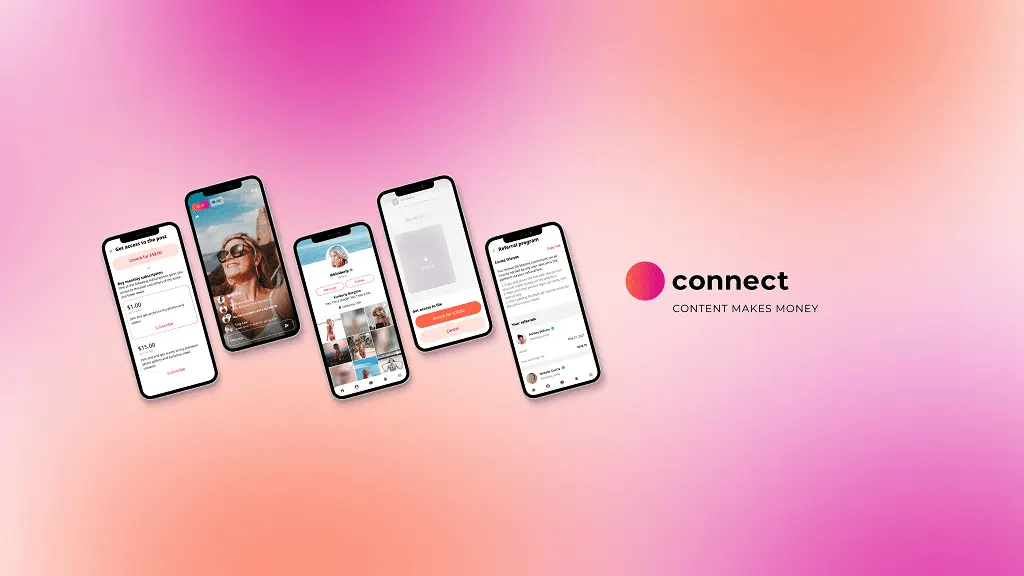
When it comes to turning a website into a true revenue engine, Scrile Connect stands out. Scrile Connect is a platform designed specifically for digital creators, entrepreneurs, and influencers. It provides users with a complete toolkit for monetizing their content and engaging their audience.
With Scrile Connect, influencers can use their websites and offer monetization features such as subscriptions, paid content, and community access, all from the same place. You can offer subscriptions, paid content, and community access directly on your site. It works as a central hub for your brand, audience, and income streams.
Key Benefits for Influencers
- Develop recurring revenue.
- Regular engagement with your audience.
- Make payments easy.
- Make it your own.
Why Scrile Connect Fits Influencer Business Models in 2026
Owning your audience and revenue has never been more important. With Scrile Connect, creators have the ability to have control over their audience and security with their revenue. Explore Scrile Connect today and start turning your influencer website into a monetization powerhouse.
Conclusion: Build Your Influencer Website With Purpose

By now, it’s clear why personal websites have become essential for creators. From influencer website examples to effective design strategies and the right website builders, each element plays a role in transforming a simple site into a business engine.
An influencer’s website is more than just a presence on the internet. It is a strategic asset. Depending on whether you are starting at the beginning or refining your existing website, creating and using a website based upon your targeted audience’s experience will help you stand out from other influencers.
Take action today. Study the influencer website examples, refine your design, choose the right builder, and explore Scrile Connect to turn your website into a powerful platform for growth and revenue.
FAQ

Is 3,000 followers enough to be an influencer?
Yes, it can be. Numbers alone don’t define influence. Engagement, niche focus, and audience trust matter more. As a result, someone who has approximately 3,000 engaged followers could be classified as a micro-influencer. Micro-influencer audiences typically will convert better due to the intimacy and connection they have with the influencer. Therefore, do not let arbitrary threshold limits deter you from influencing your audience positively. Further, your personal website can have a greater influence than what your follower count might imply.
What are the 4 types of influencers?
There are four different groups of people who influence you as an influencer based on their audience size and influence level:
• Nano Influencers. Have 1k-10k followers with a very involved audience and maintain a personal relationship with their audience.
• Micro-Influencers. Have roughly 10k-50k followers with a lot of niche authority, maintain a strong connection, and organize targeted campaigns accordingly for maximum impact.
• Macro-Influencers. Have 50k-500k followers with a large audience base and use professional creators to achieve content.
• Mega-influencers. Have 500k+ followers with a celebrity-like audience. However, the level of engagement is often lower than other influence levels.
Should an influencer have a website?
Absolutely. A website is more than your portfolio. It’s essentially your base of operations online. Your website is different than social media because your website is where you can give your audience a permanent, searchable, and professionally presented location to find out more about you and your business. Additionally, you can use your website to earn directly from your audience through subscription models, product sales, and premium content.
Related guides
