
Machine Learning Personalization: 5 Real-World Examples for Product Teams
Discover how machine learning personalization shapes smarter user experiences across travel, retail, media, and more. See five real-world examples and learn how to bring personalized logic into your own product with Scrile AI.

machine learning personalization
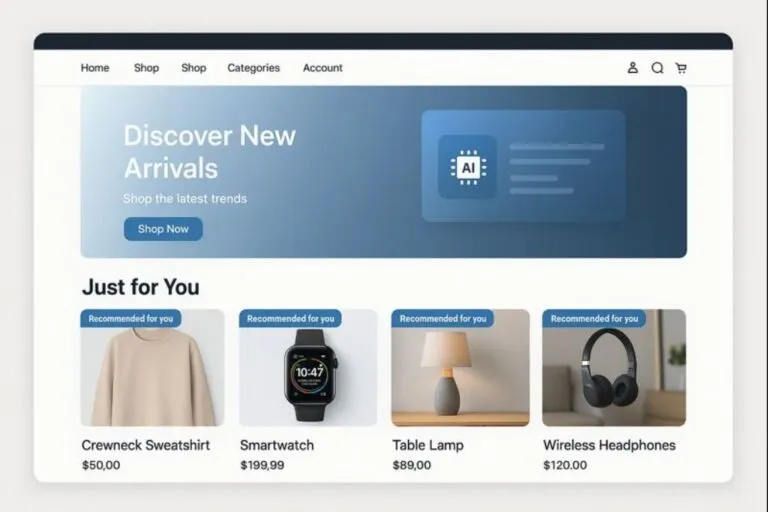
Machine learning personalization is the use of algorithms to adapt recommendations, content, interface elements, or product flows to each user based on behavior and context. Instead of showing everyone the same experience, the system learns from clicks, watch time, purchases, skips, and other signals to decide what a person is most likely to want next. In practice, this is what powers smarter feeds, better product suggestions, and more relevant user journeys across travel, ecommerce, media, and subscription products.
Quick Answer: What is machine learning personalization?
Machine learning personalization is the use of algorithms to tailor recommendations, content, interface elements, or product flows to each user based on behavior and context. Instead of relying only on fixed rules, the system learns from signals such as clicks, watch time, purchases, and session patterns to decide what should appear next for a specific person. This is how products like Amazon, YouTube, Spotify, and Booking.com make experiences feel more relevant over time.
The Engines Behind Personalized Experiences
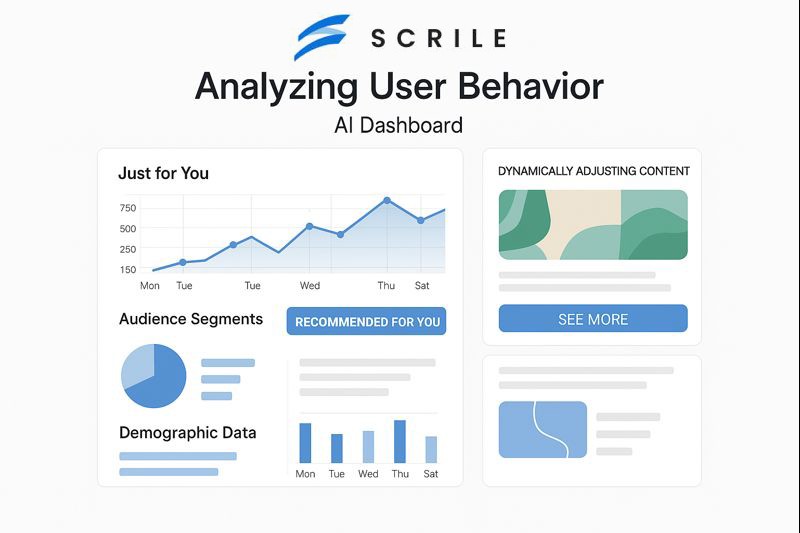
There’s a name for the process behind smart recommendations, adaptive feeds, and shifting layouts: personalization machine learning. It’s what happens when a system learns from users and adjusts itself over time. These aren’t hardcoded rules. They’re decisions driven by behavior—clicks, scrolls, skips, selections.
Machine learning personalization uses trained algorithms to shape what a user sees next. The more data, the better the system gets. But different problems require different models. Developers use these models most often in real-world products:
- Collaborative Filtering
Looks at what similar users liked or bought. If five people who booked the same hotel later booked another, the system suggests it. It’s one of the simplest ways to personalize without deep profiling. - Sequence-Aware Models
These care about order. They notice that people often book flights before hotels, or search for gym gear after joining a running program. The sequence matters. The model adjusts based on what usually comes next. - Classifier Models (Supervised Learning)
These models rely on labeled data. They learn patterns from known outcomes. For example, users who travel alone often book differently than families. The model uses that pattern to make new predictions. - Reinforcement Learning and Bandit Models
These work by trial and feedback. The system shows an option, tracks what gets clicked or ignored, and shifts its next move accordingly. It’s fast, flexible, and always testing what performs better.
There’s also a key difference in how personalization happens. Some systems rely on static personalization, which uses a saved profile or tags. Others use dynamic personalization, making decisions in real time based on fresh signals. The second approach often feels more natural—and gets better with every session.
One of the clearest ways to explain why personalization matters for product teams is this:
“Seventy-one percent of consumers expect companies to deliver personalized interactions.”
That expectation is exactly why machine learning personalization now matters far beyond ecommerce giants. Relevance has become part of the baseline user experience.
Source: McKinsey — The value of getting personalization right—or wrong—is multiplying
Case 1 — Booking.com: Trip Recommendations That Learn as You Search
Open the Booking app, type in Paris, and you’re already shaping what it thinks you’ll want next. A week later, you search Amsterdam. Now it’s picking up the rhythm. A few more clicks and the system starts nudging you toward cities that match the pattern.
This isn’t just based on popularity. It’s not a leaderboard of destinations. Booking.com uses machine learning to watch how people plan trips across multiple stops. Then it builds models to recommend logical next cities based on past behaviors.
At the heart of it is a type of model built for understanding sequences. Every search, every date you enter, every property you tap feeds into a system designed to find travel paths. The result: smarter, more intuitive suggestions that reflect how people actually move.
They also run constant experiments in the background. Reinforcement models test different ways of presenting those suggestions. Banners, layouts, content order—everything gets shuffled and measured.
Booking.com built their own tools for this:
- Looper: a bandit model that rotates UI elements and learns from click performance
- Robin Hood: balances exploration (new content) with exploitation (high performers)
- Sequence-Aware RNNs: pick up trip chains like London → Paris → Rome
These tools shape every stage of the booking funnel. Instead of static paths, the experience bends toward what makes sense for you, right now. This kind of machine learning personalization quietly makes the next step easier, and the trip feels more complete.
Case 2 — Amazon: Shopping Suggestions Built on Behavior
Amazon doesn’t need to guess what people want. It watches them. Scrolls, clicks, reviews, wishlist saves, cart drops—every movement turns into a signal. And those signals feed massive machine learning systems that tailor the experience on the fly.
The company leans heavily on supervised learning and collaborative filtering. One is about understanding patterns from labeled data. The other compares you with millions of other shoppers who made similar choices. Together, they turn a product page into a conversation.
- Every product recommendation starts with history.
If you looked at wireless earbuds yesterday, you might see a charger today. If you hesitated on a power tool but bought a safety mask, the system connects those dots and adjusts. The logic comes from supervised models trained on purchase outcomes, helping predict what you’re likely to need next. - Similar shoppers unlock deeper suggestions.
Collaborative filtering kicks in when the system compares your behavior to others. If thousands of users who added the same item also bought a particular accessory, it shows up in your feed. This isn’t coincidence. The system understands overlap and narrows the results for relevance. - The homepage isn’t static—it’s rebuilt every visit.
A user who shops for pet supplies sees a different interface than someone browsing books or tech. These changes are live and reflect session-level inputs, not just your old profile. - Email campaigns and ads respond to live product interest.
Your browsing history, cart status, and time on each page guide what lands in your inbox. The system builds that message for you, not for ten million people.
These systems power personalised shopping experiences that don’t feel aggressive or artificial. They just feel like the store knows what you’re looking for—before you do.
Case 3 — YouTube: Tailoring the Feed with Feedback Loops

YouTube doesn’t just remember what you clicked last week. It tracks what you hovered over and didn’t watch, what you muted, what you rewatched twice in a row. Then it rebuilds your homepage in real time based on all of it.
This system relies on a blend of deep learning and reinforcement learning. One handles the complexity of understanding what’s inside the videos. The other reacts to how you behave around them. Together, they shape a feed that tries to balance what you already like with what you might like next.
Every scroll and every view sends a signal. Watch time tells one story. Skips tell another. Even how fast you return to the app changes what gets shown. The goal isn’t just to show more of the same, but to catch shifting moods and surface new content while staying relevant. That’s where the reinforcement layer matters—it adapts based on feedback, not rules.
YouTube also adds something most systems miss: exploration. The model doesn’t only chase clicks. It leaves room for new material to show up. Sometimes it suggests something strange, on purpose. This isn’t a bug—it’s how the system keeps people from getting stuck in repetition.
Research from Google engineers explains how all of this works under the hood, but most users never see the mechanics. What they notice is a feed that feels uncannily right most of the time.
Machine learning personalization makes the platform feel less like a catalog and more like a mirror. It watches, learns, and decides faster than you can type the next search.
Case 4 — Spotify: Unsupervised Taste Clusters in Action
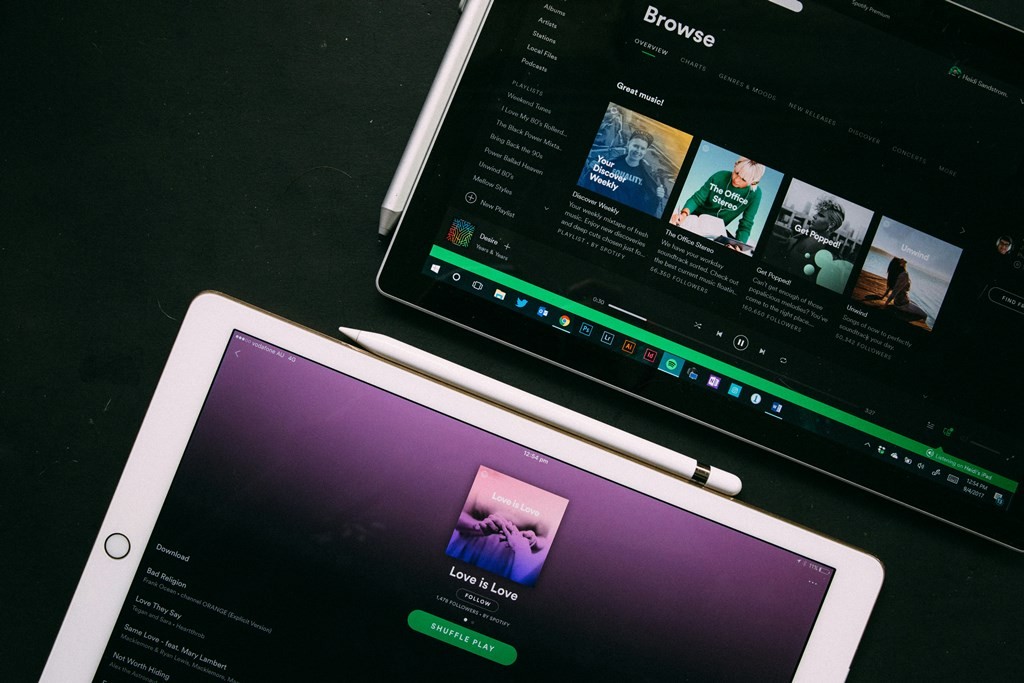
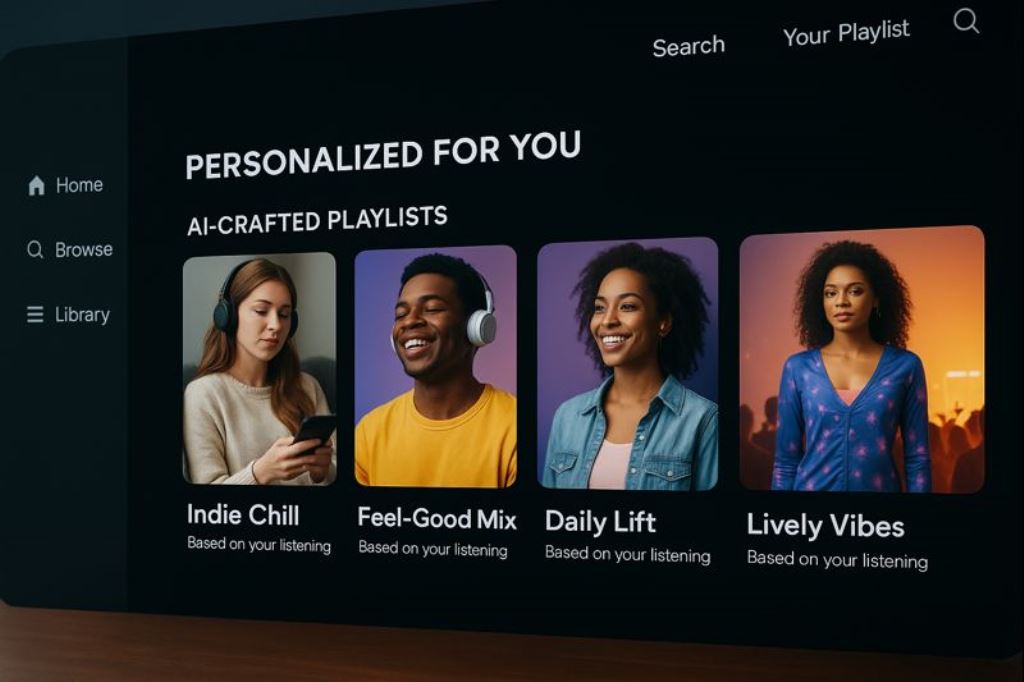
Spotify learns from how people listen. It tracks what you play, how long you stay on a track, what you loop, and what you never finish. It also pays attention to when and where those habits happen.
This is unsupervised learning at work. There’s no manual tagging. The system groups users by behavior. If ten million people tend to listen to ambient music at night and fast-paced tracks during workouts, the model picks that up. No one told it to. It saw the pattern.
- Daily Mix and Discover Weekly are built from clustered behavior.
Your listening history is split into categories based on rhythm, genre blends, volume, and frequency. One mix might lean into lo-fi beats with a slow tempo. Another leans on vocal-heavy indie. These aren’t assigned by genre—they’re grouped by how you interact with the music. - Your listening schedule shapes the recommendations.
Morning routines, midday breaks, late-night loops—each block of time influences what tracks appear. If you play jazz while working, the system leans toward similar styles in that slot. - The device matters too.
What shows up while using headphones during a commute is different from what plays through a speaker at home. Spotify reads that context and adjusts without interrupting the flow.
This is what machine learning personalization looks like behind the playlist. No menus, no filters, no setup. The system learns in the background and gets closer with every track.
Case 5 — Stitch Fix: Fashion Tailored by Data
Stitch Fix sends clothes to people who never stepped into a store. The selection isn’t random. It’s driven by algorithms that analyze personal preferences, body data, past orders, and the success or failure of every item delivered.
The company uses a hybrid system combining classifiers and collaborative filtering. Classifier models help predict size fit and stylistic preferences based on the user’s profile and behavior. Collaborative filtering adds the crowd layer—patterns drawn from similar users who made different choices. Together, these models aim to send the right item the first time.
What makes it different is the feedback cycle. Every delivery is a data point. Whether someone kept the jeans or returned the dress, it trains the model. The more boxes shipped, the more accurate the recommendations get. This loop creates an evolving system that doesn’t just react—it adapts.
In this setting, machine learning personalization directly impacts inventory, return rates, and customer satisfaction. It learns through action, one shipment at a time.
Visual Recap: Personalization in Practice
| Company | ML Technique(s) Used | What Gets Personalized | Key Impact |
| Booking.com | RNNs, Reinforcement Models | Trip paths, banners, layout | Better UX, higher conversion |
| Amazon | Supervised, Filtering | Product recommendations | Increased AOV, loyalty |
| YouTube | Deep RL, Exploration models | Video feed, autoplay choices | 70%+ of watch time from recommendations |
| Spotify | Unsupervised, Audio clustering | Music mixes, genre blends | More listening hours, lower churn |
| Stitch Fix | Classifiers, Filtering | Clothing style & size | Fewer returns, higher satisfaction |
What This Means for Business
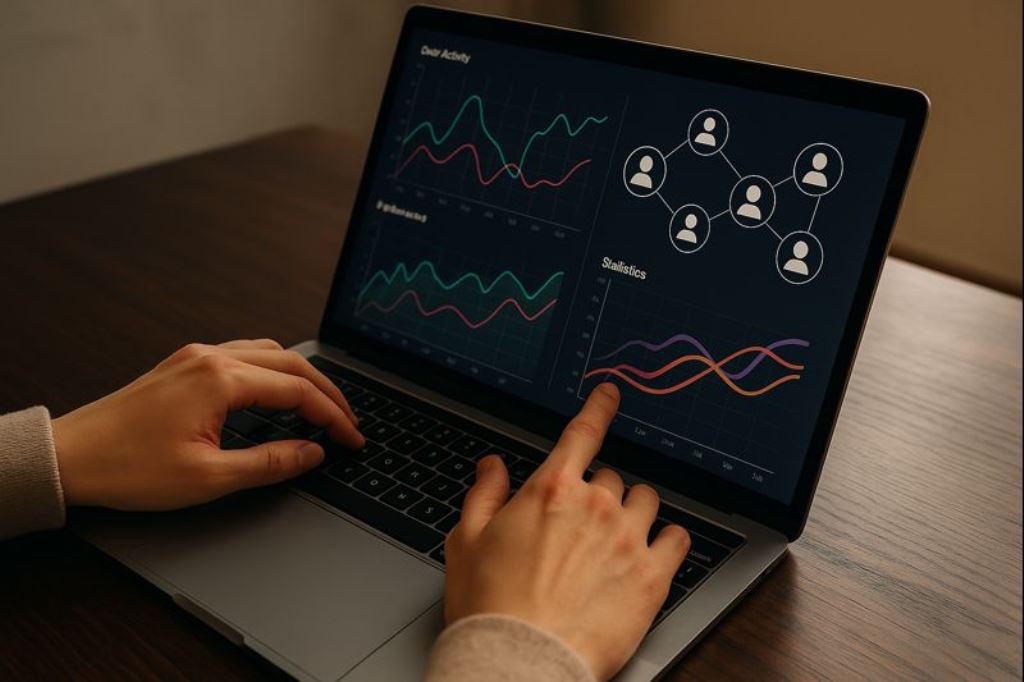
Personalization shapes how users behave inside a digital product. It influences how long they browse, how they move between screens, and how often they complete actions. A system that reacts to real behavior gives people a smoother path toward the content or items they want.
Sitecore reports that 80% of customers are more likely to buy from personalized experiences. This number reflects how strongly users respond to relevance. A product that adapts to habits and patterns offers clearer guidance and a more predictable flow.
Booking.com uses models that adjust banners, suggestions, and page structure during a session. These models help the interface respond to individual actions. Over time, this improves how the product performs for many types of travelers.
Smaller companies can apply the same approach by working with development teams that specialize in personalization features. The technology fits into existing websites or apps without requiring an internal machine learning department.
Bring It to Your App: Personalization via Scrile AI
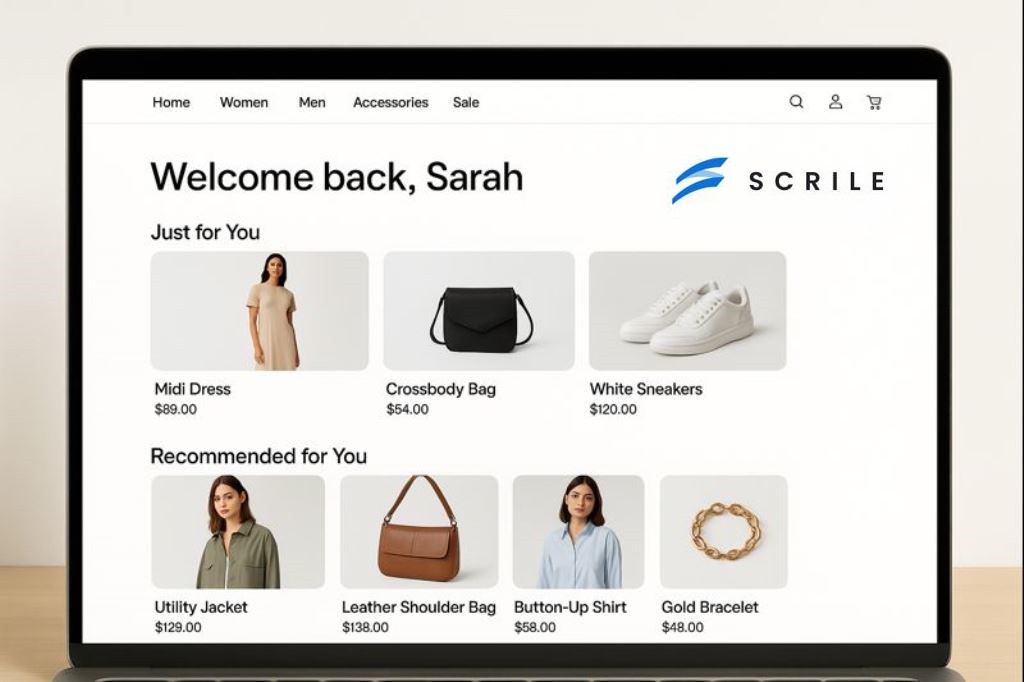
Building a personalized experience doesn’t have to start with a research paper or a machine learning hire. Scrile AI gives product teams a way to add real personalization logic into their tools without changing their stack or scaling their headcount.
This isn’t a plug-and-play platform. It’s a development service that works with your product, your brand, and your audience. Every solution is tailored, not prepackaged.
Scrile AI helps clients roll out machine learning personalization features across a wide range of products:
- SaaS tools that adjust dashboards, notifications, or onboarding flows based on user behavior
- Community platforms that show different content, events, or member suggestions depending on past actions
- Educational apps that modify lesson pacing, format, or follow-up material by learning how each user interacts
- Media and content apps that adapt feeds, recommendations, or UI layouts using real-time signals
- AI chatbots and assistants that shift tone, memory, and responses based on usage history
Every build is fully white-labeled, can include monetization layers, and is designed to fit into your existing system with minimal friction.
Scrile AI is for teams that want to personalize their product without turning into a machine learning company. It delivers results without adding complexity.
Conclusion
Interfaces that never change miss the point. People don’t use products the same way, and their habits shift all the time. When a system adjusts itself based on those signals, it becomes easier to use and more valuable. This is what personalization machine learning is built for.
Real personalization keeps products relevant. It shortens paths, removes friction, and makes people feel understood without needing to say anything. It scales well and doesn’t need to be rebuilt from scratch.
If your product still treats every visitor the same, this is the moment to change that. Contact the Scrile AI team today to add smart, behavior-driven personalization that fits your business and your users.
Related guides
- AI Avatar Generator in 2026: Use Cases & Tips
- AI Character Creator: Build a Persona That Scales in 2026
- How to Promote Your AI Companion Website in 2026
- How Creators Use AI to Sell More Content and Engage Fans
Frequently Asked Questions About Machine Learning Personalization
What is machine learning personalization?
Machine learning personalization is the use of algorithms to adapt recommendations, content, interface elements, or product flows to each user based on behavior and context. Instead of showing everyone the same experience, the system learns from patterns and decides what is most relevant for a specific person.
How is AI used for personalization?
AI uses signals such as clicks, watch time, purchases, skips, search behavior, and session context to predict what a user is most likely to want next. That can affect recommendations, feed ranking, onboarding flow, content order, notifications, and even interface decisions.
What is the difference between static and dynamic personalization?
Static personalization usually relies on saved attributes such as profile tags, preferences, or segments. Dynamic personalization updates decisions in real time based on fresh behavior and session-level signals. Dynamic systems usually feel more adaptive because they respond to what the user is doing right now.
What machine learning models are used for personalization?
Common personalization models include collaborative filtering, sequence-aware models, supervised classifiers, clustering approaches, and reinforcement or bandit-style systems. The right choice depends on the product, the available data, and whether the goal is recommendation, ranking, timing, or interface adaptation.
What are examples of machine learning personalization?
Common examples include Amazon product recommendations, YouTube feed ranking, Spotify playlist and home personalization, Booking.com travel suggestions, and Stitch Fix style selection. In each case, the product adapts to user behavior instead of showing the same output to everyone.
Why is machine learning personalization important for business?
Personalization helps businesses reduce friction and improve relevance. A better recommendation, a more useful homepage, or a smarter onboarding flow can improve conversion, retention, and overall product satisfaction. It matters because users increasingly expect products to feel relevant by default.
Can small companies use machine learning personalization?
Yes. Smaller companies do not need to copy Amazon or YouTube at full scale to benefit from personalization. Even relatively focused features such as behavior-based recommendations, adaptive onboarding, or smarter notifications can create value when they are designed around a clear product goal.
What data is usually needed for personalization?
Most systems use behavioral and contextual data such as clicks, views, watch time, search terms, purchases, skips, device type, and session patterns. The goal is not to collect everything possible, but to use the signals that are most predictive for a specific product decision.
How do you measure whether personalization is working?
The right metrics depend on the use case, but common ones include click-through rate, conversion rate, session depth, retention, repeat usage, average order value, watch time, and completion rate. Good personalization should improve business outcomes, not just create more complexity.
Can Scrile AI help build personalized product experiences?
Yes. Scrile AI can be used as a custom development solution for teams that want to add personalized logic to SaaS tools, content platforms, learning products, communities, or AI assistants. The main value is flexibility: the personalization can be built around your own workflows, audience, and monetization model.
