
Matching Donations: Key Steps to Boost Your Campaign
Corporate giving programs and donation matching initiatives enable doubling or tripling the impact of the contributions. This guide explores proven strategies for nonprofits and creators.

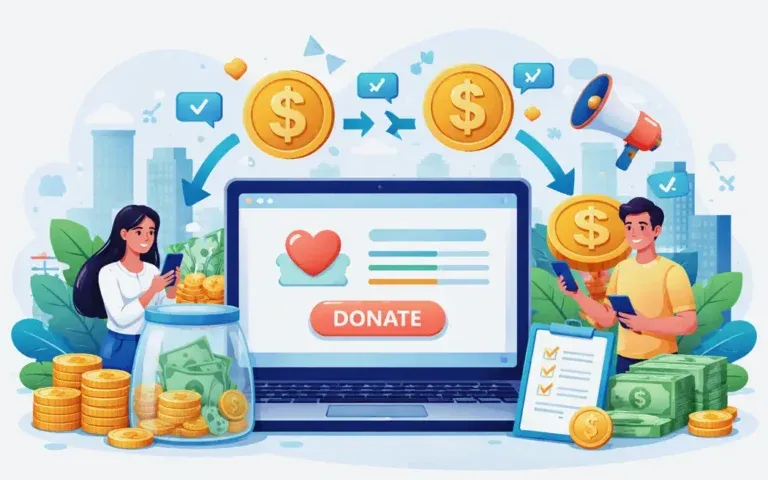
matching donations
Understanding Matching Donations: What They Are and How They Work
Matching donations are one of the simplest and most powerful ways to multiply the impact of individual giving. Employees who participate in their employers’ corporate matching programs can double their charitable contributions. This is an easy way for employees to donate to organizations that align with their values.
Generally speaking, the process begins when the employee donates to a charity they are interested in. Then, the employee submits a brief application through their donation matching portal or HR team to have their donation matched. Once their donation has been verified by the company, the company then makes an additional donation to the same charity.
You will frequently hear another term referring to this kind of match—matching gifts. It describes the same thing as the original model and refers to how a business will mirror the donation made by an employee. Each individual business will set their own rules on matching gifts. For example, some businesses may match dollar for dollar, while others may have a 2:1 or 3:1 matching ratio for donations made by employees. Matching donations typically have a cap, but those caps are usually very generous compared to most other types of businesses. Employers continue to embrace corporate social responsibility, and matching gifts will only become more visible and prevalent as more employers do so.
Donation Matching Explained: How Companies Structure Their Support

Let’s move a step deeper and look at how donation matching actually works inside companies. At first glance, this might seem simple. But behind the scenes, it’s actually a well-organized structure, budget, and strategy driven by corporate goals. So, it is great for nonprofit organizations and people who create stuff when corporate America has made this a priority, and, therefore, it will be sustainable.
Corporations will typically create a designated annual pool of funds from which they will match employee contributions to qualified charities. This funding may be designated under a company’s CSR or HR budget, as applicable. Employees donate to the charities of their choice, and then the organization matches the employee contributions based upon established rules. Established guidelines provide an equitable matching process and an easy method for scaling donations.
Several rules define the employers’ donation match program. These rules typically define the amount of money, categories of eligible nonprofits, and which employees can participate. In most instances, only full-time employees qualify to participate. However, the growing trend is to allow more and more part-time workers and retirees to take advantage of donor matching programs.
Companies have a strong incentive to invest in the donation matching program because it satisfies multiple business objectives. Donation matching strengthens the brand reputation of the business, builds employee loyalty, and has a visible impact in the community. In addition to those benefits, businesses send a strong message regarding their values when they say, “We support your generosity.”
Matching Gifts in Practice: Real-World Corporate Examples

What does this all mean for supporting nonprofits? Matching gifts are not hypothetical because many of the biggest brands in the world have already created successful matching gift programs. These examples give us a clear understanding of how effective this power model can be.
Technology Companies
These companies dominate the field. They have a large number of employees who give generously to their communities and use internet-based electronic donation platforms. As an example, a technology worker may donate $100 to a climate fund or an educational nonprofit, and their employer will immediately match the $100. As a result, these companies contribute significantly more support for nonprofit organizations.
Retail and Finance Companies
They generally have large numbers of employees and strong ties to their local communities. A single donation made by an employee during a matching gift campaign may seem small. But with multiples of 100s or 1,000s of employees making similar donations, these small donations become large contributions very quickly. Many organizations experience rapid growth as a result of matching gift initiatives during seasonal campaigns, holiday seasons, or disaster relief efforts powered by employee generosity.
Creative campaigns around major events also create opportunities for employees to participate in matching gift programs. For example, a company may have a month-long fundraising challenge and match all employee contributions for that month. As the month progresses, employee contributions will create momentum within the organization and create friendly competition between teams. All of this leads to increased funding for nonprofits with no additional effort on the part of the nonprofit to market themselves. This makes for a win-win scenario, and the story is easy to share.
The takeaway is that matching gift programs create a predictable pattern for employees to be engaged with their companies in terms of promoting volunteering and matching gifts. If companies make it easy for their employees to use matching gifts, then employee participation will be encouraged. If companies promote matching gift programs well, then many employees will participate.
Gift Matching Programs: Corporate Models and Variations

Not all gift matching programs look the same. Companies each create their own unique programs, allowing for different combinations of benefits to nonprofit campaigns and creators. Understanding the ways in which each company implements their gift matching program will help nonprofits create campaigns aligned with a company’s unique gift matching program.
Companies offering continuous year-round giving programs to employees allow employees to submit gifts at any time during the year. And the company will match gifts to a maximum dollar amount per employee. This approach makes it easy for nonprofits to plan for matching funds and to create promotion opportunities for gift matching, such as newsletters, webinars, and Facebook Live, year-round.
Time-limited matching programs, offered during holiday periods, significant fundraising events, and natural disaster situations, are another way for companies to encourage donations from employees. Because of the time-sensitivity created by these types of programs, donors typically feel they need to donate quickly, leading to a higher level of engagement in the organization and an increased emotional investment in the cause.
Payroll gift matching programs support employees who want to give away a percentage of their paycheck to charity through a match from their company. Payroll gift matching programs generally provide longer-term funding for charity initiatives, including scholarships and community support initiatives, creating a consistent funding source for nonprofit organizations.
Nonprofits should recognize the flexibility of the many options for gift matching and adjust their strategies to match the implementation model used by any company.
Corporate Matching Gift Programs: Why Businesses Invest in Them

Let’s talk about corporate matching gift programs from the business side. Employee loyalty increases when an employer shows support for a nonprofit that is important to the employee. First of all, employees feel valued by their employer. Therefore, employee morale is improved, employee retention increases, and the company culture strengthens. This advantage is very valuable to a company in a competitive industry.
Companies want brands that demonstrate social responsibility and not just say it. Through corporate matching gifts, companies can allow employees to support numerous causes that employees select, whereas if companies only supported one charity, it would be perceived as marketing. By having this option, companies demonstrate to employees that they trust them and have similar values as employees; customers recognize this level of support, leading to trust.
In addition to the social aspect, there are financial and operational reasons for having a corporate matching gift program. Most organizations create their budgets annually for community involvement and charitable donations. By implementing matching programs, organizations will provide a systematic, organized way of supporting these efforts. As managers track total dollar amounts matched, participation rates per employee, and employee stories, they will utilize this data in the creation of their ESG reports.
A better overall understanding of corporate culture, building brand credibility, and creating a positive difference in society are further benefits of corporate matching gift programs. They are not just ‘nice to have’ but are quickly becoming standard operations for many of today’s corporations and are an important part of how corporations operate and communicate their values in society.
Donation Matching Program Implementation: How Nonprofits Can Use It
So how do you actually put a donation matching program to work in your campaigns? The idea sounds exciting, but the real magic happens when you turn it into a clear, repeatable process. The good news is that you do not need a huge team or complex software to get started. You just need structure and consistency.
| Action | Key Tips / Notes |
| 1. Define goals | Choose between boosting a particular campaign, increasing average gifts, or re-engaging previous donors. With clear goals, supporters can develop strong messages. |
| 2. Identify eligible donors | Supporters may qualify for employer-based matching donations. Most nonprofits discover far more eligible donors than they anticipate. |
| 3. Simplify discovery | Add a section on your website or donation page explaining matching gifts in simple terms. Include a search tool or reminder to check with HR. Even a single line like “Your employer may match your gift” helps. |
| 4. Promote across channels | Use email, social media, livestreams, webinars, and other channels. Keep messaging encouraging, not pushy. Focus on helping donors multiply their existing contribution. |
| 5. Follow up | After a donation, send a short message explaining how to submit a match request. Small nudges improve participation and clarify corporate processes. |
| 6. Track results | Evaluate which messages result in the most donations matched, the average approval time, and how many donations were matched to improve your approach. |
| 7. Integrate into core workflow | Include matching in the usual workflow for fundraising. It changes from a bonus to an ongoing revenue source and strategic tool. |
Charity Matching Donations: Success Stories and Best Practices

Let’s explore charity matching donations through examples and proven strategies. Seeing how others succeed makes it easier to replicate results and inspires confidence in your own campaigns.
By letting donors know about donor matching and being aware that nonprofits are providing more engagement opportunities than they would otherwise, the engagement is growing at a greater level than before. The previously mentioned educational nonprofit used a Facebook campaign to promote donor matching. It resulted in an increase of donations by a factor of 2 over last year, proving how critical it is to communicate clearly and in a timely manner.
Another method for creating greater donor engagement is through storytelling. By sharing how matching gifts create an impact through actual results. For example, $50 becomes $100 when two scholarships are funded; for example, $50 would only fund one scholarship.
Infographics, videos, and other visual aids will demonstrate impact. Everyone wants to see the impact that has occurred and can be easily understood.
Urgency and time-sensitive matching campaigns create opportunities for donors to submit requests for matching gifts and drive donor action. Donors respond to a campaign when they are part of an active campaign and see the urgency associated with that campaign. Companies that want to run short-term matching campaigns will be more likely to fund a time-sensitive matching campaign.
Support Donations With Matching Gifts

While you’re likely wondering how to simplify managing donor submissions, tracking approval processes, and ensuring donations are matched on time. There are digital tools available for use to increase participation from both donors and nonprofits.
This naturally leads to platforms like Scrile Connect, designed to help creators, entrepreneurs, and nonprofits streamline fundraising, including corporate matching. It provides all the tools needed to harness the power of matching donations, making campaigns more effective and giving donors a seamless experience.
Scrile Connect for Matching Donations and Fundraising Campaigns
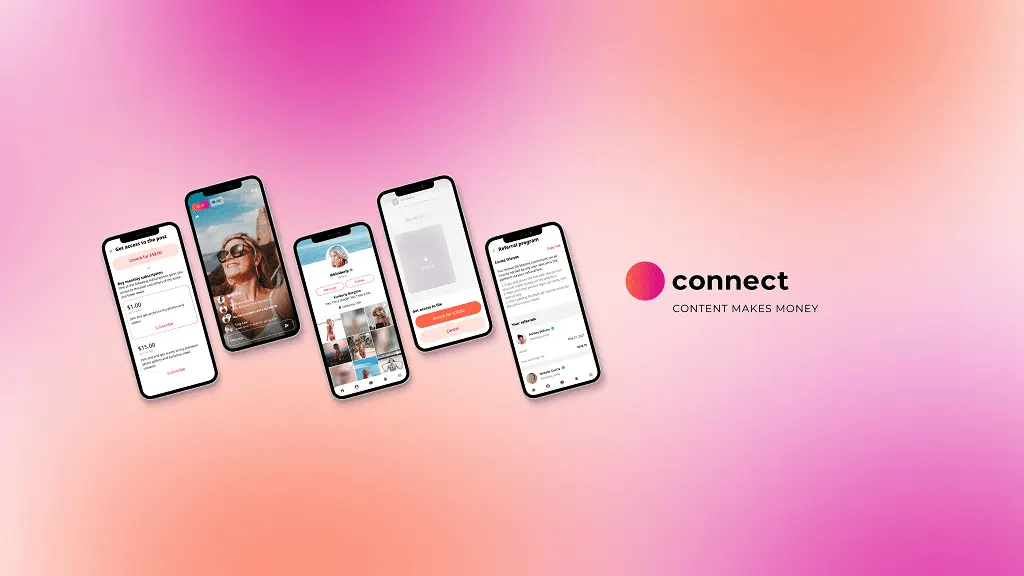
If you’re looking for a way to simplify matching donations and take your fundraising to the next level, Scrile Connect is a solution worth exploring. Scrile Connect offers a variety of tools to streamline fundraising. You can create donation pages, manage recurring contributions, and build community support all in one platform.
It also supports donation matching programs. By tracking the donation amounts matched by your corporation, helping your donors, and outlining the total donations of your campaigns, you will have less time and effort spent on administrative tasks.
Scrile Connect offers a simple tech solution for integration upon request, providing compatibility with your company’s current technology and CRM platform and matching gifts. We built our solution to be easy to integrate with any current CRM or tech platform, simple to use, and created with a focus on modernized fundraising needs.
Your revenue increases, donor engagement increases, and the use of matching donations from charities increases. So, your donor will have all the benefits of a professional and seamless donation experience, which will create trust to encourage future contributions.
Ready to maximize the impact of your fundraising? Explore Scrile Connect today and see how easy it is to integrate corporate matching, enhance campaigns, and support your community with every donation.
FAQ: Matching Donations and Gift Matching

What are matched donations?
Employers or partner organizations can help supporters double or triple their donations using “match donation.” So, if a donor makes a $50 donation to a nonprofit, an employer or partner may also donate at least an additional $50. Content creators and nonprofits can increase their support without additional money being asked for.
What does “matching” mean in money?
Matching in business finance is when a business donates the same amount of money as what you gave to charity. Most large businesses will match what you donate as a benefit for their employees. Matching is intended to increase the overall benefit of your donation. Some matching programs apply in retirement plans by giving employees a set percentage based upon what they contributed to their own retirement accounts.
What is an example of matched giving?
Matched giving can help you maximize your donations. For example, if you donate $10 to a local nonprofit or fundraising page and the nonprofit has a matched giving program, a partner or employer will match your donation, so your $10 will become $20 for the charity. Matched giving programs provide nonprofits and creators with the ability to increase their total funds raised without having to request additional funds from their donors. Using tools like Scrile Connect will help automate the tracking of matches, provide incentives to donors, and promote the positive impact of each donation to their community.
Related guides
