
Online Funeral Services and Virtual Memorials Explained
Online funeral services offer families a meaningful way to gather, grieve, and remember—no matter the distance. This guide explains how virtual memorials work, which services to use, and how to create your own streaming space with Scrile Stream for privacy, comfort, and full control.

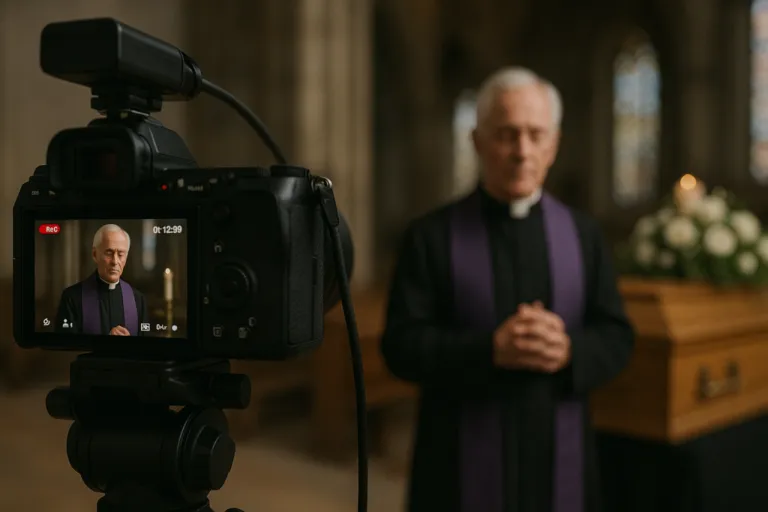
online funeral
There’s no single way to say goodbye — and in 2026, many families are choosing to do it online. Online funeral services have become more than a pandemic workaround. For those separated by distance, mobility, or circumstance, they offer a real and compassionate alternative to in-person gatherings.
What used to feel unusual now feels necessary. Loved ones tune in from other cities, even other continents. Tributes unfold through shared stories, slideshows, and streamed ceremonies. It’s not about replacing the traditional — it’s about making space for everyone who needs to be part of the moment, no matter where they are.
In this article, we’ll explain how virtual memorials work, what tools families are using, and what it actually takes to plan one. We’ll also look at the emotional side of online remembrance and show how Scrile Stream helps people build custom, private spaces to honor memory with care and control.
Why the Demand for Online Funerals Keeps Growing
More families are turning to online funeral services because it fits the reality they’re living. Travel costs are high. Elderly relatives can’t easily move. Work schedules don’t bend for every event, even the important ones. And when someone passes, the timeline is tight. Waiting weeks to coordinate travel often isn’t possible.
These services grew rapidly during the COVID years. Once they became common, people saw they could still gather, still share stories, and still feel part of something real — even if they weren’t in the same physical space. That lesson stayed with us.
In rural towns, where funeral homes are few and far between, the idea of a funeral online doesn’t sound futuristic. It’s just what works. And for immigrant families or international relatives, streaming is the only way they get to attend. Nobody wants to watch from a distance, but watching is better than missing it entirely.
This kind of accessibility matters. Grief needs community. And when you make room for people — across cities, time zones, or hospital beds — you make room for healing too.
When Going Online Makes Sense
Not every service starts with a team and a tech setup. It often begins with a question: “How can we bring everyone together when we’re not all in the same place?”
Here’s when online funeral services often become the best answer:
- Elderly family members who physically can’t travel but still want to hear the eulogies and see familiar faces.
- Extended family living abroad who can’t attend in person but want to participate without burdening anyone else.
- Loved ones stuck at work, managing kids, or dealing with health issues who can still be part of the farewell from home.
- Situations where timing is tight, and waiting to coordinate an in-person event would mean losing the moment.
It’s not about choosing convenience. It’s about letting people show up — even if they can’t be in the room.
What a Virtual Funeral Really Looks Like
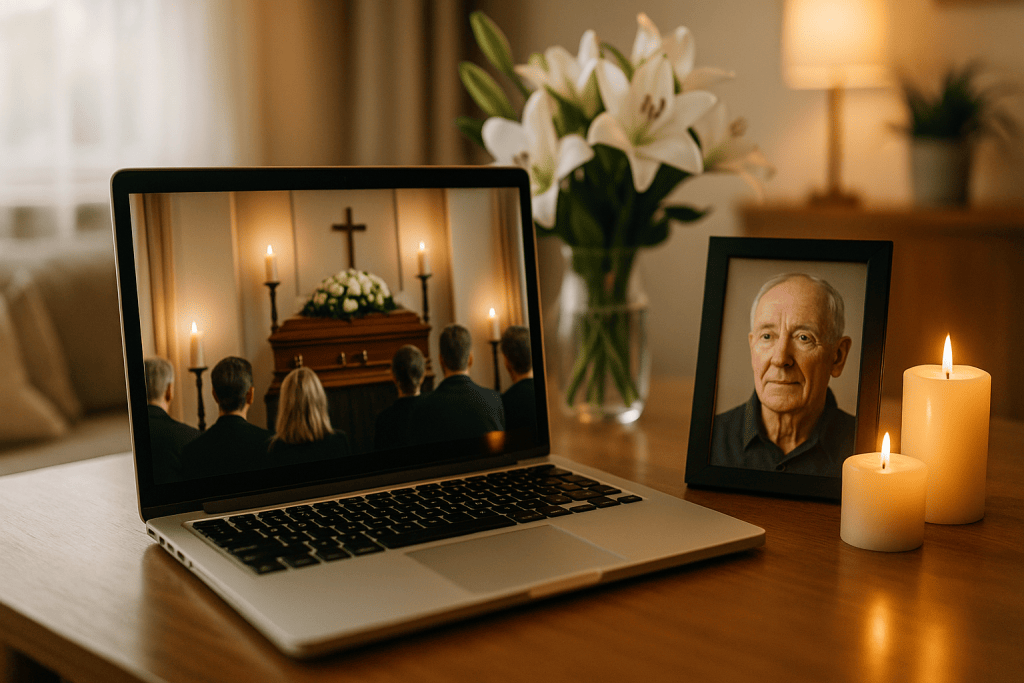
You won’t find a single template for virtual funeral services — and that’s a good thing. These ceremonies bend to fit the people they’re for. Some are quiet and private. Others bring in dozens of voices from across the world. But most follow a flow that’s been shaped by experience and real use.
Platforms like EventLive and Virtual Memorial Gatherings have built the tools for this. They offer registration links, automatic reminders, and hosting infrastructure, so families don’t have to piece everything together from scratch. These services make it easier to focus on what really matters — the moment itself.
Many families choose to stream the event live. Others record eulogies ahead of time, gather old photos, or collect short video clips from relatives who can’t attend. A few even create digital memory books or private memorial pages after the service.
Roles are usually simple:
- A family member or friend acts as the informal host.
- An officiant (pastor, celebrant, rabbi) leads the service, either live or via pre-recorded message.
- A tech-savvy helper runs the stream, switches slides, and keeps things smooth behind the scenes.
Most virtual funerals come together within a few days. With online platforms, there’s no venue to rent or chairs to count. That means families can act quickly, especially after a sudden loss, and still include everyone who matters.
Typical Flow of a Virtual Memorial
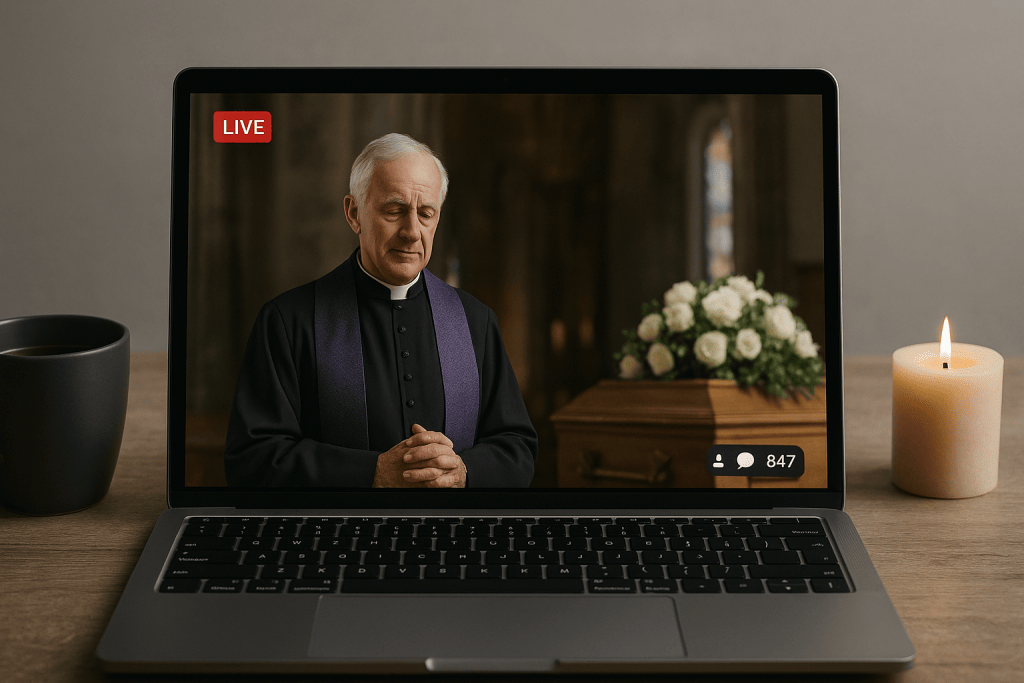
Most online memorials follow a structure that mirrors traditional ceremonies but adapts for the digital space. Planning teams often set a clear timeline to keep the event focused and respectful. The order may vary slightly, but here’s how a virtual funeral usually unfolds:
- Welcome and Opening Words: A designated host or family member opens the event with a short message. This part sets the tone, welcomes guests, and explains what will follow. Sometimes a moment of silence or prayer is included here.
- Tributes and Eulogies: Friends and relatives speak one after another. Some do it live via video, others submit pre-recorded messages. In some ceremonies, a spiritual leader or celebrant helps guide this section with prepared words or readings.
- Slideshow or Video Montage: A collection of photos, home videos, or favorite quotes appears on-screen, usually backed by the loved one’s favorite music. This part adds emotion and gives people a moment to reflect quietly.
- Music or Live Performance: Some families invite a musician or play a meaningful track. Hymns, piano pieces, or recorded songs often play an important role in connecting everyone emotionally.
- Group Interaction or Reflections: Attendees are invited to share thoughts in the comments or briefly appear on screen. In smaller gatherings, an open mic session may happen. Even a few lines in the chat can make people feel connected.
- Closing Remarks and Thanks: The ceremony ends with a short message from the host or family. They may mention next steps, such as donation links, shared photo folders, or plans for a physical memorial later.
Some memorials also include a digital “guestbook” where visitors leave memories and condolences. Others offer replay access so people can revisit the event or watch it later if they couldn’t attend live.
This format helps keep everything organized, allowing emotions to flow without confusion. With proper timing and roles assigned, virtual funerals feel grounded and deeply personal — even when everyone attends from a distance.
Real Services Families Are Using

When families search for online funeral services, they’re not just looking for a video stream. They want support. A clear process. And something that still feels human, even when it’s all happening through a screen.
A few services have stepped up to offer that.
BlueButterfly creates long-lasting online tributes. Families can upload photos, videos, and written memories. It’s not a one-time event—it’s a space people can revisit. There’s no set template. Every tribute page looks a little different, shaped by what the family shares.
Virtual Memorial Gatherings offers more hands-on help. Their team handles everything from planning to tech. A funeral celebrant hosts the service, guests can speak live or send videos, and there’s always someone behind the scenes making sure it runs smoothly.
EventLive is more stripped-down, which works for people who just need a private stream. Set it up with a phone or camera, send the link to friends and family, and it’s done. It’s simple, but still intentional.
Many also use GoFundMe to help with funeral costs. It’s not part of the memorial itself, but it’s often linked in the invites or tribute pages. People give what they can. Sometimes a little. Sometimes a lot.
Some funeral homes now offer digital options, but families still go to these platforms when they want more say over how things look and feel.
Here’s a basic overview:
| Service | Type | Key Features | Price Range |
| BlueButterfly | Virtual Tribute | Long-term tribute page, photo and video uploads | Custom pricing |
| EventLive | Live Stream | Simple setup, private viewing link, replay access | $150–$250 |
| Virtual Memorial Gatherings | Full Virtual Event | Host-led planning, guest interaction, Zoom support | From $397 |
These tools don’t replace the feeling of being in the same room—but they give people something to hold on to. Especially when in-person just isn’t an option.
Planning Considerations and Emotional Weight
Setting up an online funeral service means thinking beyond the tech. It’s not just about what tools you’ll use. It’s about the tone, the privacy, and the emotions of everyone involved.
Each family approaches this differently, but there are a few things worth sitting with before sending out the invites.
- Decide who’s hosting and what kind of tone fits. Some people want a calm, spiritual atmosphere led by a minister or celebrant. Others prefer a more informal tribute hosted by a friend or family member. The way it’s led shapes the entire experience for the guests, especially when they’re tuning in from far away.
- Make the stream accessible for guests who aren’t great with tech. A simple viewing link with no login helps. Adding clear instructions in the invitation helps even more. Many older relatives might want to attend but feel overwhelmed by virtual tools. A few extra steps on your end can save them from stress on the day of the event.
- Think through privacy settings and access. Some families prefer to keep things tightly controlled, inviting only close friends. Others open the link to anyone who knew the person. There’s no wrong choice, but it should be intentional. That decision also affects how open guests feel when speaking or writing comments.
- Know that not everyone feels the same about online grief. Some people see digital ceremonies as less meaningful. Others feel relief. They can process emotions more quietly, on their own time. Grief doesn’t look the same for everyone, and planning the event with that in mind helps avoid tension.
A well-thought-out online funeral service doesn’t simplify grief. It gives it structure, space, and the option to return to it when the moment is right.nd the option to return to it when the moment is right.
Host Your Own Custom Memorial with Scrile Stream
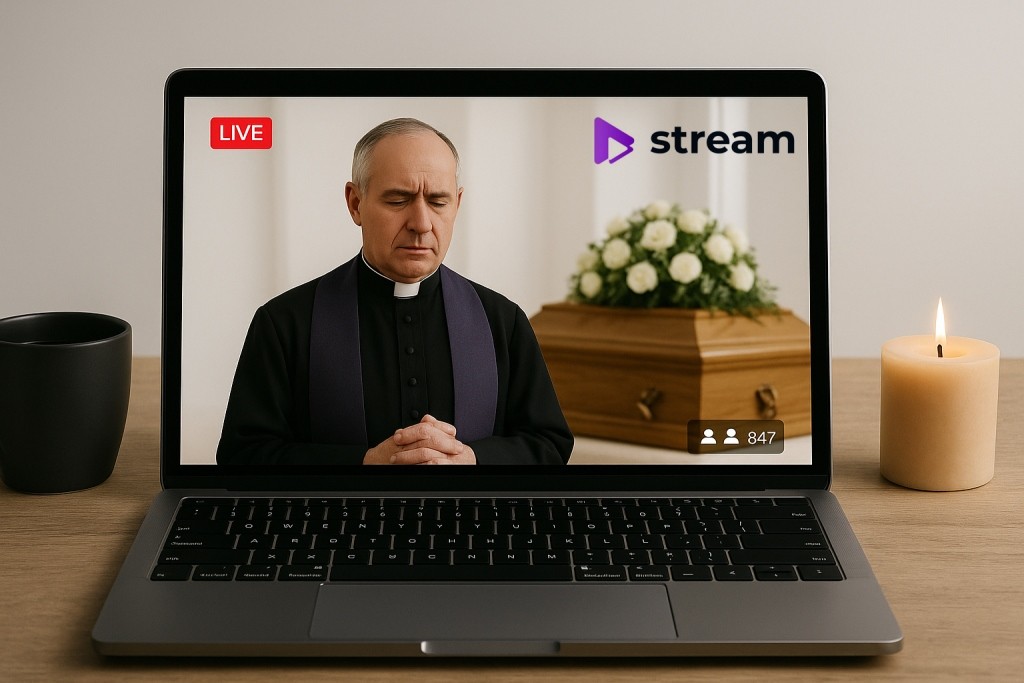
Families, churches, and community organizers looking for a long-term, branded space to host online funeral services don’t need to rely on third-party apps. Scrile Stream offers something different: a fully customizable development service that lets you build your own streaming site, tailored for memorials and private events.
This isn’t another plug-and-play platform with limits. Scrile Stream gives you the freedom to shape the experience — and the space itself — so it reflects the tone, values, and privacy level you want.
- Private, high-quality video streaming built around your rules. You choose who gets access, how long the replay stays up, and whether it’s available to the public or just family members. There are no forced interfaces or third-party ads.
- Donation options integrated directly into your memorial site. If you want to collect for medical bills, a local charity, or a family fund, Scrile Stream supports that securely and seamlessly without redirecting guests to external pages.
- Custom scheduling, countdowns, and reminders. Let people know exactly when the service begins, send them gentle reminders, and allow them to RSVP. This builds a sense of presence and participation, even across time zones.
- Live chat and comment moderation tools. Viewers can post tributes, memories, or prayers while someone moderates to keep the tone supportive and respectful. This keeps the space intimate, even when many are watching.
- Full member access controls and user roles. Assign roles like host, speaker, or tech support. Create private areas for the family. Lock down access for moments meant to be shared only within a circle of trust.
Scrile Stream gives you the tools to build online funeral services that reflect your values and the needs of your community. You set the tone, choose the features, and decide how people join. It’s a space shaped around the person you’re remembering — not a generic event inside someone else’s platform.
Conclusion
Online funeral services meet people where they are — across cities, countries, and generations. They make it possible to bring families together even when distance or timing makes travel impossible. With the right tools and care, a virtual memorial can feel just as thoughtful and comforting as one held in person.
Planning something this sensitive requires more than a video link. It needs intention, privacy, and a sense of belonging. Whether you’re organizing a memorial for a loved one or helping others do so, building your own space gives you control over every detail.
Scrile Stream helps you launch a fully branded, secure, and accessible experience that reflects the tone you want. From private video hosting to donations and member-only access, everything can be built around your exact needs.
Contact the Scrile Stream team today to start creating an online funeral service that truly honors the people who matter.
FAQ
How do I plan a virtual funeral?
Start by deciding on the kind of service you want to hold — livestream, recorded tribute, or a hosted Zoom gathering. Choose someone to guide the event, then prepare a mix of visuals: photos, videos, music. Test all your tech ahead of time to avoid surprises. Platforms like EventLive or Virtual Memorial Gatherings make the setup smoother by handling planning, tech, and support.
Q2: What’s the best site for memorial donations?
GoFundMe is still the most used for funeral-related crowdfunding. It’s free to start, easy to share, and lets friends and family give from anywhere. Some services even integrate donation links directly into memorial websites or livestream pages.
Q3: Can I livestream a funeral myself?
Absolutely. Some families use funeral homes that offer streaming, while others go DIY with a phone, OBS, and YouTube. But for more privacy and flexibility, a custom solution is better. With Scrile Stream, you can create your own online funeral services hub — branded, secure, and tailored to your exact needs.
