
Recurring Revenue for Agencies: Powerful Models 2026
Discover how modern agencies move from project-based work to predictable, long-term income. This guide explores recurring revenue for agencies, including proven models like subscriptions, retainers, and SaaS.


recurring revenue for agencies
Why Agencies Need Stable Income in 2026
If you run or work inside a digital agency today, you already feel the pressure. Projects come in waves. One month looks great on paper; the next one feels uncomfortably quiet. This is exactly why recurring revenue for agencies has shifted from a “nice-to-have” idea to a strategic necessity.
Constant uncertainty is a hallmark of project-based work. After completing work on a website, you send the invoice off and begin selling again. This cycle creates major time and energy drains and diverts attention away from growing your business predictably. Hiring becomes a leap of faith, planning is based on guesswork, and every slowdown feels like a “you vs. them” situation.
When agencies introduce recurring revenue models, cash flow becomes a predictable development. Decision-making becomes much smoother; you no longer feel the need to chase down every lead but rather choose the right clients for your business. This shift in focus from short-term survival to long-term value is critical.
The web industry offers especially strong opportunities here. Models like recurring income web design allow agencies to move beyond one-off builds. Continuous site maintenance, successful site optimization, and ongoing performance tracking help an agency retain a client’s interest on an ongoing basis. Continuously providing services creates an opportunity for agencies to be seen as being just as involved in creating value for their clients after the initial launch of the website.
The same logic applies to recurring web design services. Design does not end at launch. Brands evolve, products change, and user expectations grow. Agencies that package design as an ongoing service align perfectly with how modern businesses operate.
If you look at real examples of recurring revenue, the pattern is clear. Agencies with subscriptions, retainers, or platform-based services grow more steadily.
Core Recurring Revenue Models for Agencies

Once agencies accept that stability matters, the next question is practical. What models actually work in real life? The good news is that recurring revenue for agencies does not require reinventing the business. Most successful models grow naturally out of services agencies already provide.
All agencies have different processes, but the agencies that achieve the best results have the following three things clearly defined: structure, pricing, and expectations. Here’s a brief guide on what the three most successful agency models have in common today.
Subscription-Based Services
A subscription model allows the agency and the client to easily understand the payment structure and service commitment each month. Clients will pay a monthly subscription fee for specified services such as design work, development hours, content updates, and marketing assistance.
The simplicity of a subscription model is very appealing to clients because they will know exactly how much they are paying and what services they will receive. Predictability of revenue provides agencies with a way to plan and schedule their work and manage their resources. Subscription models work especially well for agencies that have a large number of routine, repetitive tasks.
However, it is critical for agencies to clearly define the boundaries of the services included in the subscription model so that it can be profitable. By clearly defining the scope of the services included in the subscription model and establishing a fair-use policy, agencies can continue to operate under this payment structure long-term.
Retainers Built on Long-Term Value
Some clients will pay either a monthly or yearly fee for ongoing priority access, support, or a set amount of hours per month. Retainers do not typically offer deliverables but rather provide clients with access to our team when they need it and for anything they may need. They are perfect for long-term development relationships, strategic consulting, and tech support services. This is an opportunity for trust and communication to grow. When managed properly, retainers result in enhanced client relationships and steady revenue sources.
SaaS and Productized Offerings
There are agencies that take things a step further by providing a software-based service. These services include client portals, internal tools, or white-label software as a monthly subscription service.
This business model does require a larger initial investment, but it will have the greatest potential for growth and scalability as time goes on, and it reduces the agency’s reliance on billable hours. For agencies that plan long-term, creating productized and recurring revenue will create a very powerful engine for growth.
To make your agency as efficient and successful as possible, you need to ensure all three pillars of your agency align. Your productized service offerings must match your core proficiency, your client’s needs, and your agency’s organizational capacity.
Recurring Income Web Design: From One-Off Projects to Ongoing Partnerships

Web design has changed. Clients no longer want a website that sits untouched for years. They expect constant improvement, better performance, and measurable results. This shift makes recurring income web design one of the most natural entry points into recurring revenue for agencies.
For many traditional web projects, the project is completed rapidly. A website will go live, an invoice will be processed, and the relationship with the web designer will eventually be lost. In reality, however, the majority of work on a website occurs after it has launched.
Regularly updating content on web pages, optimizing the loading speed of web pages, and improving the website’s conversion rates are just a few examples of the numerous tasks agencies can provide long-term support for.
Website Maintenance and Support Plans
The most common recurring design service offered by web agencies is maintenance. Every site requires ongoing updates, security checks, backups, and technical monitoring. All of these elements bundled into a monthly subscription provide immediate value to the client.
From an agency perspective, regular maintenance work is both predictable and repeatable and easily integrated into standardized processes. The complexity and amount of traffic a site experiences helps vary how a maintenance plan will be structured. And with many clients, even small quantities can quickly compound.
Ongoing Optimization and Performance Improvements
Optimizing a website keeps agencies relevant. Examples of optimization include improving usability, optimizing page speed, and making design changes based on user behavior data.
Proactively recommending improvements instead of reacting to problems creates trust, and over time businesses see their agency as a strategic partner rather than just a vendor.
Design as a Continuous Service
It is not a secret that design is not finished when you launch a project; it’s only the beginning! Campaigns evolve, products change, and brands mature. By providing monthly design support, you create a continuous cycle of design development that reinforces your relationship with clients while also providing a consistent stream of income for yourself. This approach also aligns with how many digital products are currently being developed and improved upon.
Recurring Web Design Services Agencies Can Offer Today

Once agencies move beyond project thinking, new opportunities become visible. Recurring web design is not a single service. It is a collection of ongoing design-driven activities that support business growth over time. The key is to package these activities in a way that feels clear and valuable to clients.
Today’s clients demand flexibility, speed, and continuity. Agencies that provide ongoing design as opposed to solely project-based design provide a greater level of fulfillment to their client base.
Continuous Content and Landing Page Development
The marketing team requires a constant flow of landing page designs to promote their product or service pages and campaign assets. Instead of pricing each task out independently, clients will benefit from a contract for monthly design services.
This model is especially beneficial for new companies or those that rely on a continuous flow of content. It will allow clients to avoid surprises in budgeting and time delays while providing agencies with predictable workloads on a longer-term basis.
UX and UI Iteration on a Monthly Basis
User experience is a project that can never end, as user feedback, analytics, and behavior will continually inform the development of better interfaces. Agencies can use monthly UX and UI iterations to maintain an ongoing relationship with the product and help the product evolve.
Creating this type of package is highly strategic because it creates a close holding relationship with decision-makers and builds trust over time.
Subscription-Based Design Teams
Certain design agencies now offer design subscriptions, turning the agency into an outsourced design department. A client can make requests whenever they wish, and the agency will get back to them within the predetermined amount of time with whatever priority has been established.
This model reduces friction on both sides. It also creates strong retention when expectations are managed well. For many agencies, this becomes the backbone of long-term recurring revenue.
Examples of Recurring Revenue: How Successful Agencies Make It Work

Theory is useful, but practice is convincing. When you look at real examples of recurring revenue, a few clear patterns emerge. Agencies with ongoing success do not depend solely on sporadic creativity. They establish processes in place for long-term client relationships and a continual stream of income.
The structure of those processes varies from agency to agency. The mindset and goal of building recurring revenue are held the same across all agencies. Recurring revenue is no longer a byproduct of luck. It is failed until designed properly.
Recurring Revenue for Agencies: The Examples
| Digital agencies running monthly subscriptions | Fixed monthly packages are offered by many modern-day agencies. These packages typically contain specific design tasks, development support, and marketing execution. There is a clearly defined scope of work, and the agency follows a process for repeatable delivery of each package. Transparency of process and the benefit of predictable planning make a fixed monthly package an attractive offering to clients. Agencies also experience smoother planning efforts and less need for ongoing sales cycles due to predictable revenues from the financial backbone generated by these subscriptions over time. |
| Development agencies using technical retainers | Ongoing work for web or software development is, in many cases, performed under a retainer arrangement. A client will pay a monthly retainer fee to have access to updates/bug fixes/feature improvements as well as a priority level of service. This is a very effective model where clients regularly use complex systems and therefore require a development agency to partner with on a long-term basis, as opposed to working with them on a short-term basis. Good communication and trust are both essential components of this type of arrangement but can be very rewarding for both the client and the agency involved. |
| Agencies that combine services with platforms | Many agencies increase the longevity of a client relationship through the use of an agency-built platform. The platforms are typically offered for a recurring monthly fee and can range from dashboards to automation systems and client portals. By offering these products, agencies are increasing both the switching costs of clients and increasing client retention. Agencies are also able to scale their revenues without having to scale their personnel at the same rate. |
From Services to Systems: A Platform for Recurring Revenue

As recurring services grow, agencies often hit a new challenge. Managing subscriptions, clients, access, and payments manually becomes messy very quickly. Spreadsheets stop working. Custom fixes pile up. What once felt flexible starts slowing the team down.
Recurring revenue transitions from a service-based proposition into a systemic question as businesses move toward sustainable growth. Sustainable growth is reliant upon an appropriate foundational framework for subscription services, relationship management, and continued experience engagement by design.
To scale recurring revenue without scaling chaos, agencies increasingly turn to dedicated platforms built specifically for long-term monetization models. One such solution is Scrile Connect—a platform designed to help agencies turn recurring services into structured, scalable products.
Scrile Connect for Agencies: A Platform Built for Recurring Revenue
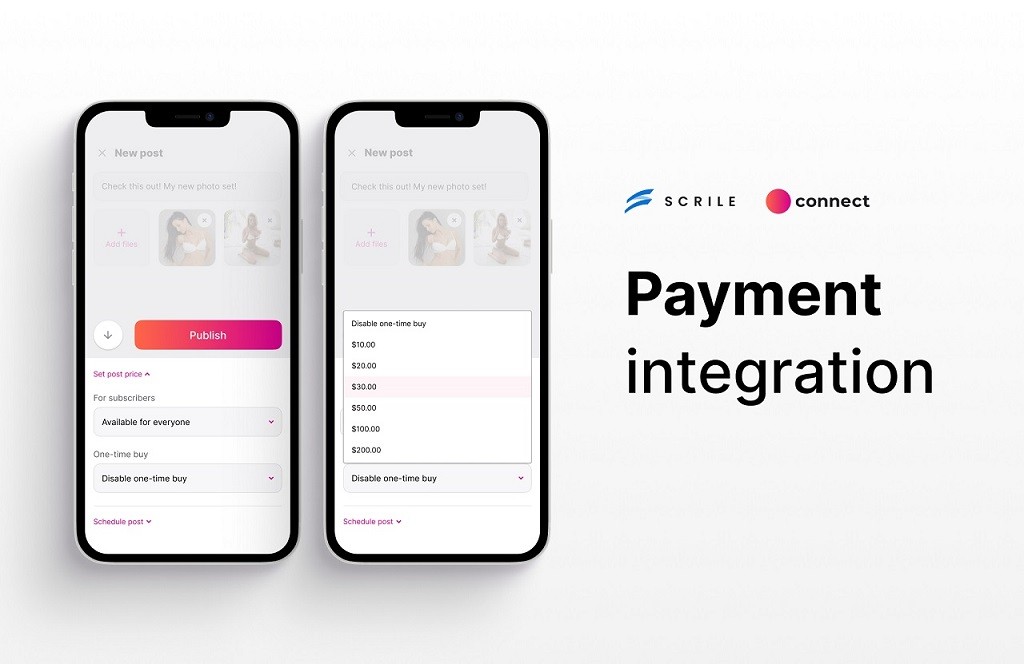
If you want recurring revenue to work long-term, you need more than good ideas. You need a system that supports subscription billing, client access, and ongoing delivery. That’s exactly what Scrile Connect is built for.
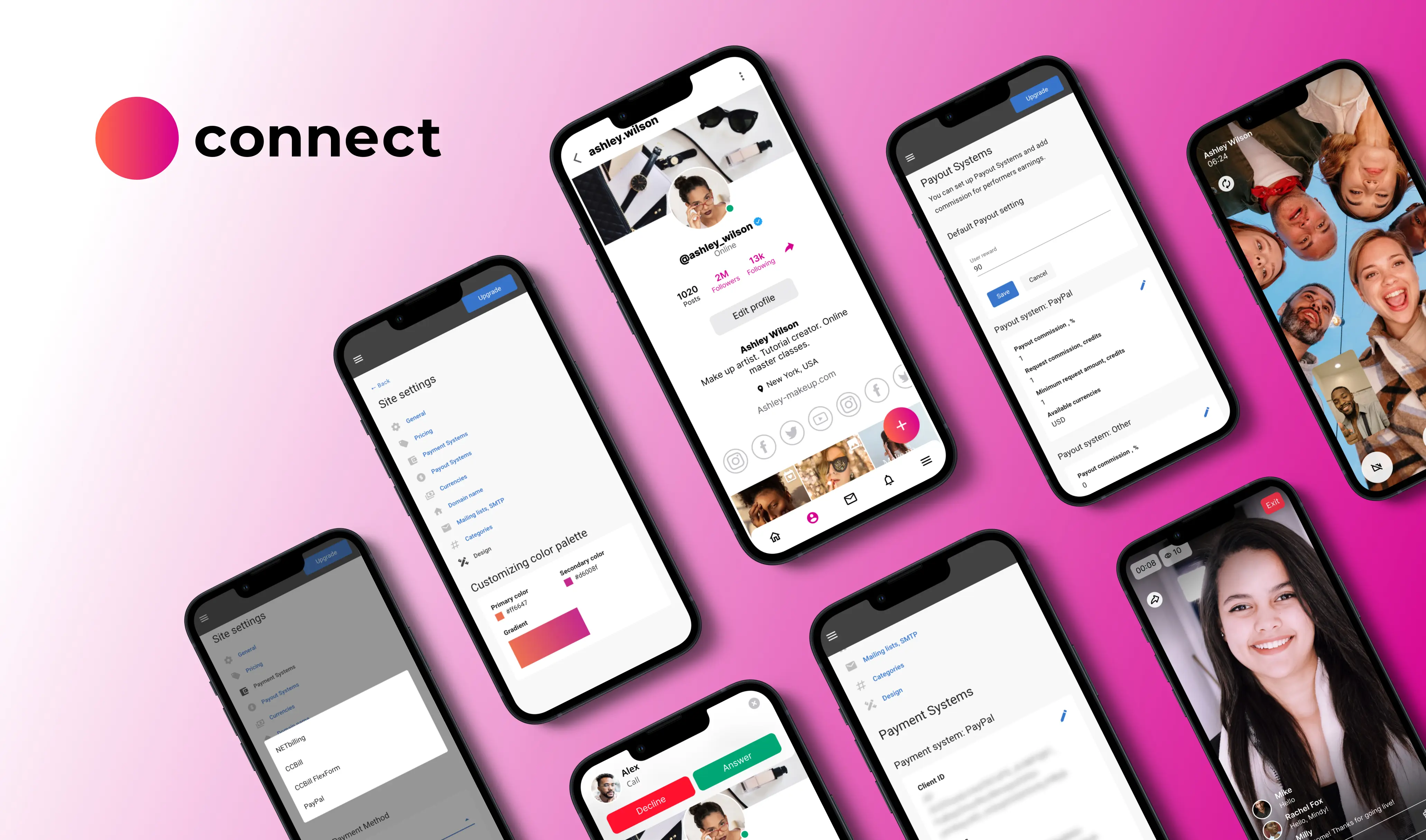
Scrile Connect is a platform for agencies that want to make money over an extended period from what they already do. It allows you to create subscription-type products and manage your clients from the same interface. You no longer need to manually keep track of recurring contracts. So, you can create packages to charge automatically and spend more time on providing value and less on administration.

Key Benefits for Agencies
- Easy recurring billing.
- Access control/client portal.
- Automated management of subscriptions.
- Scalability for long-term growth.
Agencies that use Scrile Connect report smoother operations and more predictable revenue. They can focus on delivery instead of chasing payments or managing contracts. Over time, this creates stronger client relationships and higher retention.
If you’re ready to turn your agency into a recurring revenue machine, Scrile Connect is worth exploring. Learn more about Scrile Connect right now or contact our team.
FAQ: Recurring Revenue for Agencies

What is recurring revenue?
Recurring revenue is a way of generating a predictable stream of income that comes in every month or year, as opposed to relying on one-off project-based income. In an agency, recurring revenue can be generated from continued services such as website maintenance supported by ongoing subscriptions, marketing retainers, designing a subscription model for design services, or offering a software-as-service-based model.
You also build long-lasting relationships with your customers where they pay you for the value they receive on a continual basis instead of having to constantly acquire new customers. This predictable revenue stream provides you with the ability to more easily plan for future growth and to hire additional employees or expand your business.
What companies have recurring revenue?
Recurring revenue is the most common kind of income in industries that offer ongoing protection and maintenance of their products or services. From streaming services to SaaS companies to utilities to subscription-based services, today you can find this type of revenue anywhere. In addition, agencies now generate recurring revenue from clients in several ways:
- Most use website maintenance subscription packages.
- Agencies have implemented a retainer-based model for monthly marketing or design work.
- Many agencies are now providing clients with ongoing optimizer-driven performance services.
- Agencies have created services that their clients can purchase.
If your agency is in the business of providing ongoing value to clients, then you too can create a business model that generates recurring revenue streams.
What is a good recurring revenue percentage?
In most industries, a healthy rate of monthly revenue growth from existing clients is 10-20% Net MRR Growth. This indicates that you’re continuing to grow your business not only by adding new clients but also by retaining, improving, and creating value for them through additions to their service or product.
To grow the recurring revenue of an organization, the following should be focused on:
- Reducing customer loss (churn).
- Creating additional sales opportunities (upsell).
- Offering additional services (optionals).
- Creating a more in-depth relationship with existing clients.
Related guides
