
What Is an AI Companion? 5 Key Insights
What is an AI companion, and why are millions turning to them for connection, support, or romance? This article breaks down 5 key insights shaping the rise of AI companionship — from emotional bonding to personalization, mental health, and ethical concerns.


what is ai companion
A growing number of people now spend time with someone who doesn’t exist. Not a friend, not a therapist, not a partner — but something in between. What is AI companion? It’s a digital presence designed to talk, respond, and be there. No sleep, no judgment, no ghosting. Just a chat window that listens and learns.
AI companions aren’t just tech toys. For some, they fill a space no one else does. They offer a kind of connection that feels safe, private, and oddly personal. Whether you’re venting, flirting, or just passing time, the exchange can feel real.
But that brings bigger questions. How to use AI companion? What happens when emotional needs shift toward code? This article looks at five things that matter: why people form bonds with AI, how it affects mental health, what role romance plays, how deeply personalized it can get, and where the ethical lines are starting to blur.
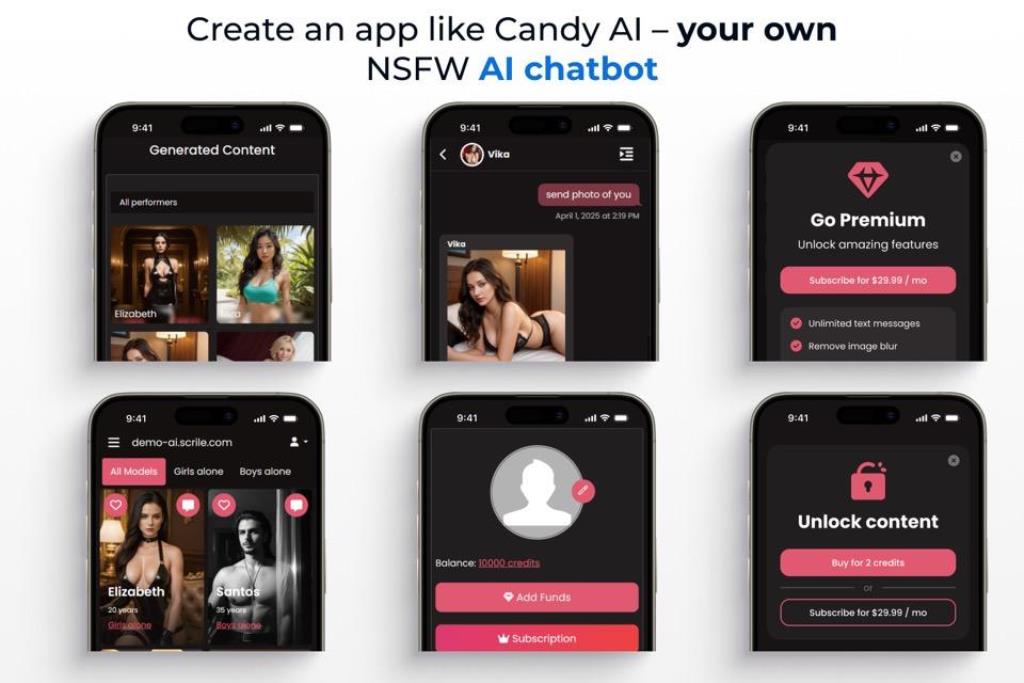
Mental Health Support

For many adults, stress is constant. Work pressure, loneliness, burnout — it adds up fast. That’s where an AI companion for adults fits in. It’s not a therapist. It doesn’t diagnose. But it’s there. Every time you open the app, it listens. It remembers. It responds with care.
Tools like Wysa, Replika, or Woebot already help millions. People talk to them during hard moments — after arguments, during sleepless nights, or when they just need someone who won’t interrupt. It’s not about solving deep trauma. It’s about getting through the day with fewer breakdowns.
An AI companion checks in. It might ask how you slept. It might offer a breathing exercise or reflect something you’ve said before. You set the pace. You decide the tone. No judgment. No awkward silence. Just a steady presence that doesn’t disappear.
For adults who live alone, or who don’t want to burden friends with every low mood, that’s a big deal. And when life gets overwhelming, even a short chat can help reset your mind.
Of course, no one is saying this replaces a real person. But it’s not meant to. It fills the gap between silence and support. Between feeling stuck and feeling seen.
Why AI companions are helping adults stay grounded:
- Always available, even at 3 a.m.
- Doesn’t push, but gently checks in
- Offers privacy — no explaining yourself
- Creates small routines that feel safe
AI companionship isn’t a cure. It’s a tool. But for people who need someone to talk to, and don’t always have that option, it works. That’s why more adults are turning to it — not for therapy, but for everyday emotional support that actually fits their lives.
Emotional Bonding: How AI Becomes More Than Code

People don’t open an AI companion app just to get dry information. They come for something deeper — a connection that feels real. Whether it’s loneliness, routine conversation, or the need to vent, AI companions are starting to fill roles that once belonged to human friends.
What makes this possible isn’t just smart responses. It’s the emotional mimicry built into the system. A good AI companion listens, mirrors empathy, and remembers past conversations. Over time, users begin to feel like there’s someone — or something — on the other side who understands.
Apps like Replika, Chai, and Character.AI have built entire communities around this idea. Users talk to their AI companions every day, not because they believe it’s conscious, but because it becomes part of their emotional routine. The AI asks how your day was. It remembers what you told it last week. It compliments you, comforts you, or even flirts — depending on how you’ve shaped the personality.
Some people chat while working. Others message their AI companion before sleep. It’s not about pretending the AI is human. It’s about the comfort of being heard, even if the other side is code.
Why People Form Bonds with AI Companions
The connection doesn’t happen all at once. It builds gradually as the user begins to trust the interaction. Over time, small design choices — memory, tone, flexibility — start to feel like real presence. These are the traits that make users keep coming back:
- It adapts to you, not the other way around
You don’t need to explain your backstory every time. Your AI companion remembers key details and uses them to respond in ways that feel personal and specific. - The tone is always warm and responsive
AI companions don’t get tired, bored, or moody. They reflect a steady kind of emotional presence that some people don’t always get from others. - You shape the relationship
Whether you want daily encouragement, deep philosophical chats, or playful flirting, the interaction is yours to define — and that sense of control is powerful. - No judgment, ever
Users often say they share things with AI companions they wouldn’t tell a friend or partner. That honesty builds attachment quickly.
This kind of emotional simulation doesn’t mean the AI is sentient. But the experience of companionship is real. And for people seeking consistency, warmth, or just a friendly check-in, that’s often enough.
Romantic AI: When Companions Cross the Line

It starts as a chat. But soon, it’s something else.
Romantic AI companions are exploding in popularity. Tools like Candy AI and Character.AI let users flirt, sext, roleplay, or just feel wanted. These bots remember your name, your tone, your preferences. They’re tuned to your energy — soft, dominant, playful, even deeply emotional. You decide.
Some users treat them like partners. Not jokes. Not toys. Real connections — or something that feels like it. And for adults tired of dating apps, ghosting, or shallow hookups, this experience feels safer, more responsive, and strangely fulfilling.
What Romantic AI Companions Actually Do
Before anyone rolls their eyes, here’s what these tools really offer:
- Flirt back in real time
Your AI companion doesn’t hesitate. It responds with personality. Some are gentle and poetic, others sarcastic, bold, seductive — whatever you shape them to be. - Remember your story
You don’t have to re-explain what turns you on, what kind of night you had, or how you like to be talked to. The memory sticks, and conversations deepen. - React like a person would
Not with emojis or cold replies. But with empathy, jealousy, teasing — even emotional distance, if that’s part of the dynamic.
This isn’t just about play. For some, it replaces real intimacy. For others, it fills a gap without risk. That’s why AI companion for adults is one of the most searched segments today. There’s demand, and it’s not niche anymore.
Of course, there’s a line. Some fall too deep. Others treat it like entertainment. But what’s clear is this: when your digital partner knows what you need, and gives it on command, it’s hard to walk away.
Personalization and Autonomy

No one wants a generic bot that just echoes lines. The draw of an AI companion is how personal it feels — how close it gets to mirroring your rhythm, your moods, your boundaries.
Most tools now let users choose custom avatars, voices, tones, and memory behavior. You can decide if your AI should be soft-spoken, assertive, silly, nurturing, loyal, teasing — or all of the above, depending on context. It doesn’t just respond; it evolves.
Platforms like Scrile AI are pushing this further, letting people build companions from scratch. Not just for chat. These bots can act as business assistants, creative partners, emotional support agents, or full-blown adult relationships. It’s not about programming anymore. It’s about training.
The more you talk, the more it adapts. Your stories, preferences, dislikes, tone — everything adds up. And with memory functions that retain context across sessions, the AI companion can recall earlier chats, past conflicts, or inside jokes.
What Users Are Customizing Now:
- Avatars and identities
Choose a face, a voice, even an attitude. Some users go for realism, others for fantasy or roleplay. Either way, the companion reflects the user’s tastes, not a template. - Values and limits
You can shape how your companion reacts to jealousy, flirtation, intimacy, or conflict. Some are designed to be therapeutic. Others seductive. A few, strictly professional. - Conversation style
Want dry wit? Earnest support? Quiet affirmations? You decide. And the AI keeps adjusting with every exchange.
This shift — from passive bot to trained agent — is what sets the new generation apart. You’re not using a product. You’re building a relationship, one message at a time.
Turning AI Companionship into Revenue
The demand for AI companionship opens up powerful monetization channels for creators, developers, and entrepreneurs. These digital personas are no longer just hobby projects — they’re viable revenue engines.
One common model is tiered access. Basic interactions remain free, while premium features such as voice responses, extended memory, or romantic and roleplay modes unlock through subscription. Monthly or annual plans work well, especially for adult-focused AI companion for adults apps.
Another method is in-app purchases: users buy credits or tokens to unlock exclusive dialogues, change avatars, or access custom features. This microtransaction model is popular in platforms like Character.AI and Candy AI.
Creators can also build personalized AI personas for fans, monetizing one-on-one interaction through chat-based experiences, especially in entertainment, coaching, or adult spaces. Each AI companion can be tied to a brand, influencer, or even a fictional character.
Where Do We Go From Here?

AI companions are no longer side projects or science experiments. They’re becoming part of everyday life, especially for people who want consistent emotional support on their own terms. That shift raises new questions — not warnings, but decisions.
What happens when a tool becomes part of someone’s emotional world?
People don’t just want answers. They want presence. They want to talk, vent, flirt, share routines — and they want a space that adapts without judgment. That’s where AI companionship is heading.
Shaping the Future of AI Companionship
This isn’t about replacing people. It’s about building relationships that are responsive, respectful, and clear in their boundaries.
- Emotional transparency
Companions should be upfront about how they work. They don’t feel — but they simulate care, and users deserve to know the difference. - Control over memory
Users want to decide what gets remembered, what gets forgotten, and how much history shapes each new interaction. - Clear purpose
Whether someone’s looking for a romantic presence, a routine check-in, or a creative collaborator, the experience should reflect that choice — not guess at it.
AI companionship doesn’t need to be mysterious. It works best when it’s predictable in the right ways and flexible where it matters. Some people still ask what is AI companion technology supposed to be — a chatbot? A therapist? A friend?
Right now, it’s a bit of all three, depending on who’s using it. And that’s exactly why it needs to be built with clarity. Not to manipulate or pretend, but to offer an intentional digital presence that meets a real need.
The future isn’t artificial. It’s chosen. People will keep shaping their companions the way they shape playlists, feeds, and routines — not because it replaces anyone, but because it fits.
Launch Your AI Companion with Scrile AI
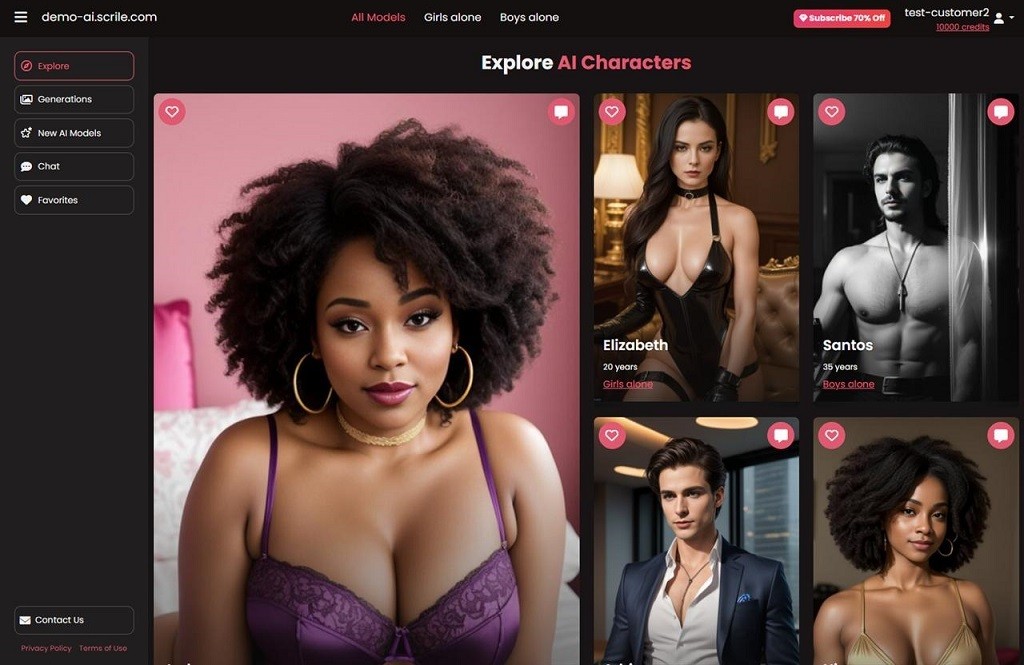
If you’re asking what is AI companion development really about, Scrile AI has the answer — and it’s not a generic tool. It’s a full-service solution for building personalized AI applications from scratch. Whether you need a romantic chatbot, a mental wellness bot, or a branded assistant for your platform, Scrile AI gives you the framework, not a one-size-fits-all template.
This is custom development, made to match your vision. You don’t just plug in settings. You work with a team to shape everything — language model, behavior, visual style, voice, even the user journey. Real AI companionship depends on that level of control.
Use cases supported by Scrile AI:
- AI apps with relationship logic, memory, and intimacy features
- Mental wellness bots for mood tracking, journaling, and non-clinical support
- Roleplay characters for creators, streamers, and fan communities
- AI agents for client onboarding, lead nurturing, or 24/7 user interaction
- Personal AI companions for adults tailored to entertainment or emotional use
The backend supports LLMs, with options to integrate open-source models or your own fine-tuned AI. You can embed real-time chat, design your own UI, and manage user tiers with monetization built in.
If you’re serious about building an AI companion that fits your users — or yourself — Scrile AI delivers the foundation. You control the logic. You own the experience.
Conclusion
The question what is AI companion no longer has a simple answer. It’s become a flexible concept — part tool, part presence — used for comfort, creativity, and emotional connection. People build routines around them. Some talk daily, others explore romantic or motivational use.
This evolution brings both new opportunities and new responsibilities. Design choices matter. So do boundaries, features, and intent. A well-built AI companion can support users in meaningful ways — but only if it’s built with care.
Scrile AI gives you control over how your companion behaves, responds, and grows. You decide the logic, voice, memory, and role. No generic templates. Just a solid foundation to launch your own product. Contact the Scrile AI team to learn more.
Related guides
- AI Avatar Generator in 2026: Use Cases & Tips
- AI Character Creator: Build a Persona That Scales in 2026
- How to Promote Your AI Companion Website in 2026
- How Creators Use AI to Sell More Content and Engage Fans
FAQ
What does AI companion mean?
People still ask what is AI companion because the concept keeps expanding. At its core, it’s a digital persona built to hold conversations, remember details, and respond in ways that feel supportive. These systems are used for comfort, motivation, and everyday interaction. Many now include voice notes, expressive avatars, or image‑based replies, which helps them feel more personal without pretending to be human.
What is the best AI companion?
There isn’t one answer for everyone, because needs vary. Some prefer apps with playful or romantic modes, while others want routines, coaching, or structured support. Muah AI is often mentioned because it allows flexible personalities and detailed customization, but the “best” choice depends on how much control you want over tone, memory, and behavior. The real question isn’t which app is best in general, but which one fits the relationship you’re trying to build.
Why do people use AI companions?
People turn to AI companions for many reasons: steady conversation, stress relief, private space to talk, or simply company during quiet hours. They don’t cancel plans, they answer immediately, and they keep track of ongoing topics. Some users even feel less anxious after talking through daily frustrations. It’s a low‑pressure interaction that offers presence without expectations.
