
What Is an AI Influencer? Examples, How They Work, and How Brands Use Them
AI influencers are reshaping social media with digital faces that look real, act consistent, and attract millions of followers. This article explains what AI influencers are, how they’re created, why brands invest in them, and how you can build your own digital persona with Scrile AI.

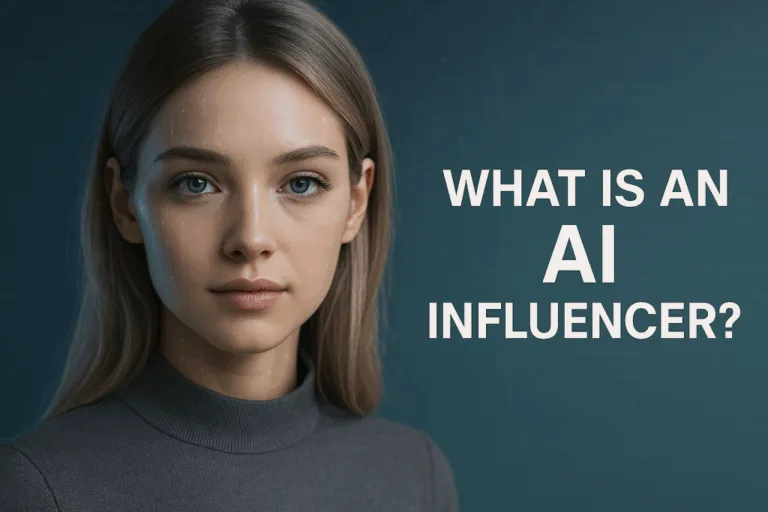
what is an ai influencer
You open Instagram or TikTok for a quick break, expecting the usual mix of pets, recipes, and familiar creators. Instead, a striking face fills the screen — flawless skin, a bold outfit, and a presence that feels strangely polished. You tap the profile, scroll a bit, and only then notice the detail everyone eventually catches: the person isn’t human. The character is fully synthetic, shaped by software rather than cameras. It leads to the question many people quietly Google today: what is an AI influencer, and why are these digital personalities showing up in every corner of social media?
They behave like any other creator. They post outfits, music clips, product demos, dance challenges, and behind-the-scenes bits of a life that doesn’t exist outside a screen. Some have fanbases that would make real celebrities pause. Lu do Magalu built millions of followers in Brazil. Lil Miquela appears in fashion campaigns. K/DA performs to stadium-level digital crowds.
The line between human and virtual is thinning fast. In this article, we’ll break down who these AI-driven personalities are, how they’re created, why brands hire them, and later — how Scrile AI can help you build your own AI influencer from the ground up.
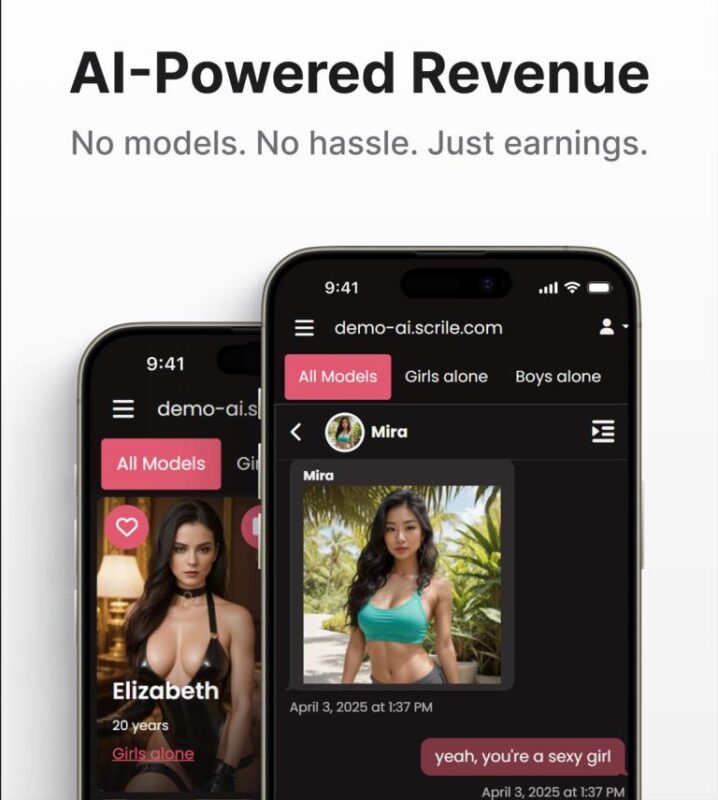
What These Digital Personalities Actually Are
AI influencers sit in a strange space between fiction and reality. They look like people you might pass on the street, yet everything about them — their skin tone, their hairstyle, their apartment décor, even the light hitting their cheekbones — comes from generative tools. When people ask what are AI influencers, the simplest description is this: they are digital personas built to live on social platforms, shaped by a mix of design, scripting, and artificial intelligence.
The category is broader than it appears at first glance. A digital influencer might be made with classic 3D modeling software and animated frame by frame. Others rely on modern AI models that generate photoreal faces, bodies, movements, and voice lines on demand. There are also hybrid characters who look synthetic but have a human creative team writing captions, choosing outfits, and steering the personality behind the scenes. This mix explains why people also search phrases like what is an AI model on Instagram — feeds are filled with characters so polished that it’s hard to tell who’s real and who’s rendered.
Regardless of how they’re produced, these personas share one thing in common: they’re built to engage. Some are fully synthetic and operate through automated pipelines; others still need a human hand to guide the storytelling. And many sit somewhere in the middle.
- CGI-only virtual characters
- AI-generated models with automated content
- Hybrid identities with human-managed scripts
Each type aims to feel consistent, relatable, and visually appealing enough to grow a following.
People are not just searching what an AI influencer is anymore. Many founders and creators now want to launch one as a business asset: a digital persona that can publish content, attract followers, support brand campaigns, and open new monetization channels. That is where custom development matters — and where Scrile AI becomes more than just another AI tool.
How a “Computer-Generated Person” Becomes Influential
A computer generated influencer doesn’t rise by accident. They follow the same unwritten rules human creators do. A strong visual identity gives them an instant “look.” Personality writing creates a sense of intimacy. Regular posting builds reliability. And the parasocial effect — the feeling of knowing someone who doesn’t know you — works even when the “someone” is entirely digital. That’s the core of their influence: people don’t need them to be real to pay attention.
One of the clearest ways to define the category is this:
“AI influencers are computer-generated characters that promote products on social media.”
That simple definition captures why these digital personas matter. They are not just visual experiments. They are built to function like creators, attract followers, and support real marketing goals.
A Short History of Digital Models and Why They Blew Up
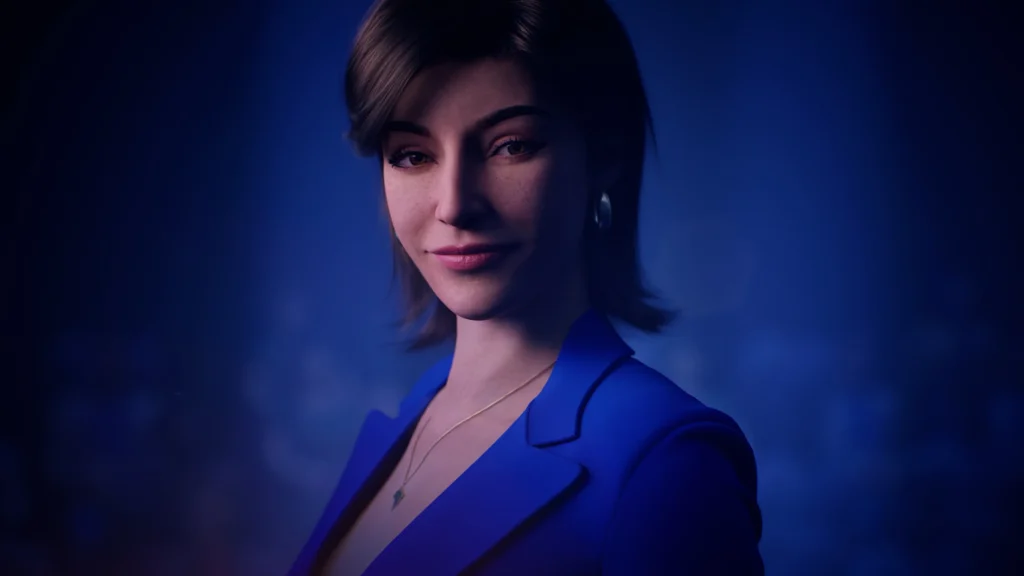
The idea of virtual personalities isn’t new. Early 2000s brands experimented with digital mascots who danced across websites or appeared in animated commercials. They were fun but limited — more cartoon spokespeople than social figures. The shift began when social media turned ordinary people into influencers, and suddenly the idea of a synthetic creator didn’t feel so far-fetched. As tools for 3D rendering became cheaper and faster, designers started experimenting with characters who looked less like mascots and more like actual humans with hobbies, routines, and opinions.
Things truly changed between 2017 and 2020. Lil Miquela appeared on Instagram, posing in streetwear, releasing music, and collaborating with major labels. Audiences were confused at first, then fascinated. Brazil’s Lu do Magalu was already gathering millions, eventually reaching 7.1M followers. Leya Love developed a niche around wellness and digital storytelling. K/DA, the virtual pop group from the gaming world, proved that even fictional idols could fill arenas, top charts, and sell merchandise. Their rise aligned with advances in generative models — tools capable of producing photoreal skin, fabric textures, and environments that earlier software struggled to create.
Cultural Drivers Behind Their Popularity
The acceleration didn’t happen only because technology improved. Culture played an equal role. Audiences were already comfortable with filters, digital avatars, and polished online identities. A new wave of curiosity formed around AI social media influencers, especially characters who fit the glossy, stylized look of modern feeds. These personalities tapped into behaviors people already had: following someone for their outfits, their small dramas, their edits, or their imagined lifestyle.
A few reasons explain why they became so magnetic:
- They offer stability: A digital model never suddenly disappears, takes a long break, or has a scandal spiral into the news. For audiences and brands, that reliability feels safe.
- Their worlds feel cinematic: Creators can drop them into neon cities, deserts, or futuristic apartments with a single render. The feed becomes a curated universe rather than daily snapshots.
- Their personalities are fine-tuned: Teams can adjust tone, humor, confidence, and vulnerability until the character fits a very specific emotional lane that resonates with followers.
- They embody fantasy: People are drawn to personas who live slightly outside reality — perfect style, impossible backdrops, a life free from physical limits.
These factors collided with accessible AI tools, turning virtual characters into mainstream figures rather than novelty experiments.
Behind the Scenes: How AI Influencers Are Built, Styled, and Promoted

Creating an AI persona looks effortless once the content reaches Instagram or TikTok, but the production behind it is closer to running a miniature studio. Teams start by developing a visual foundation using a mix of tools: classic 3D modeling software for body structure, text-to-image generators for inspiration boards, digital skin shaders for realism, and AI voice systems to shape the character’s sound. When people browse these polished feeds and wonder how an AI created influencer comes to life, the truth is that several technical layers stack together until the character feels believable.
Once the visual direction is set, creators focus on behavior. They write personality notes, habits, emotional range, and the type of tone the influencer uses in captions. Prompt engineering guides the AI when generating images, poses, or dialogue. Storyboarding helps plan scenes for posts, reels, or short skits. The workflow becomes a mix of creative writing and hands-on design.
- Look, design, and refinement: experimenting with clothing styles, physical proportions, lighting setups, and environments.
- Voice, tone, and behavior: deciding whether the persona sounds energetic, calm, sarcastic, or aspirational — all shaped by prompt patterns or scripted dialogue.
Pipeline From Concept to Social Feed
A digital persona doesn’t appear overnight. Every AI influencer follows a structured process that turns a rough idea into a finished profile:
- Conception: define the core identity — goals, aesthetics, and the emotional lane the persona will occupy.
- Look development: build the face, hair, posture, and styling through iterative rendering and AI-assisted image generation.
- Persona writing: shape the voice, caption style, micro-behaviors, and narrative arc.
- Content production: generate images, video snippets, and voice lines using prompts, models, or manual editing.
- Publishing and optimization: schedule posts, test formats, analyze engagement, and refine prompts or visuals for the next batch.
Promotion mirrors what human creators do. Virtual personalities join trends, collaborate with real influencers, appear in branded mini-campaigns, and post across several platforms. Marketing teams often treat them like talent — only this talent can appear in ten locations in a week, never misses a content slot, and always stays perfectly on-brand.
Revenue and Business Models: How Digital Characters Make Money
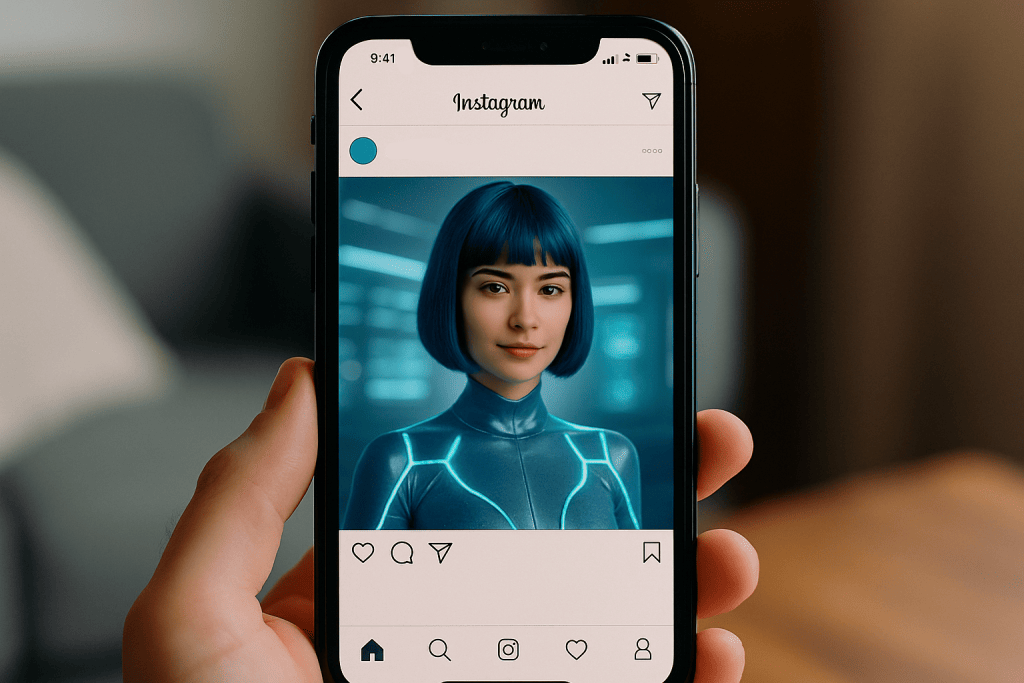
Once a virtual persona gains traction, the business side looks surprisingly familiar. Brands treat them almost the same way they treat human creators — the only real difference is predictability. A team controlling an AI character can guarantee tone, visuals, deadlines, and consistency. For companies trying to understand what is an AI influencer from a marketing angle, this reliability is often the biggest selling point.
The revenue streams cover the full spectrum of influencer marketing:
- Sponsored posts: AI characters showcase products in scenes built specifically for a campaign.
- Branded photoshoots: teams generate custom images featuring clothing, cosmetics, or tech.
- Affiliate programs: their profiles link to products, generating sales through tracked codes.
- Merchandise: some characters release digital or physical items inspired by their style.
- Campaign appearances: brands insert them into digital ads, animations, or virtual events.
- Hybrid collaborations: human creators appear “next to” virtual ones, creating strong visual contrast.
Here’s a quick look at how these partnerships are structured:
| Deal Type | What Brands Pay For | Why It Works |
| Sponsored Posts | Product placement, storytelling | Full visual control |
| Ambassador Roles | Long-term identity tie-ins | No scandals, consistent persona |
| Virtual Photoshoots | Custom scenes and poses | Fast production |
| Co-Created Content | Human + AI collaborations | Novelty, engagement |
For marketing teams still asking what is an AI influencer in practical terms, the answer becomes clear here: they’re a controllable, on-demand content asset that behaves like talent, scales like software, and works at any pace the brand requires.
From Trend to Tool — When People Decide to Make Their Own
After watching virtual personalities rise, many creators begin wondering how to make one themselves. The idea no longer feels exclusive to big studios or marketing agencies. Tools became more accessible, workflows simplified, and people realized they could treat a digital persona the same way they treat a new project or side venture. For some, it’s a form of personal branding — a way to test ideas without putting their own face on camera. Others use it for creative storytelling, building small fictional worlds that grow through posts and short videos. Niche communities explore characters with specific aesthetics or narratives, while micro-influencers experiment with hybrid identities that blend their real voice with a virtual avatar.
The shift signals something important: these characters aren’t just a spectacle anymore. They’re becoming tools. And the moment someone asks what is an AI influencer with the intention of building one, they step into a space where customization matters more than templates.
Creating the character is only the first step. Entrepreneurs who want to turn virtual creators into a standalone subscription business also need profiles, payments, paid content, messaging, and audience management. Our new practical guide explains how to build an AI influencer platform and turn AI creators into revenue.
Scrile AI: A Custom Development Service for Building Your Own AI Influencer
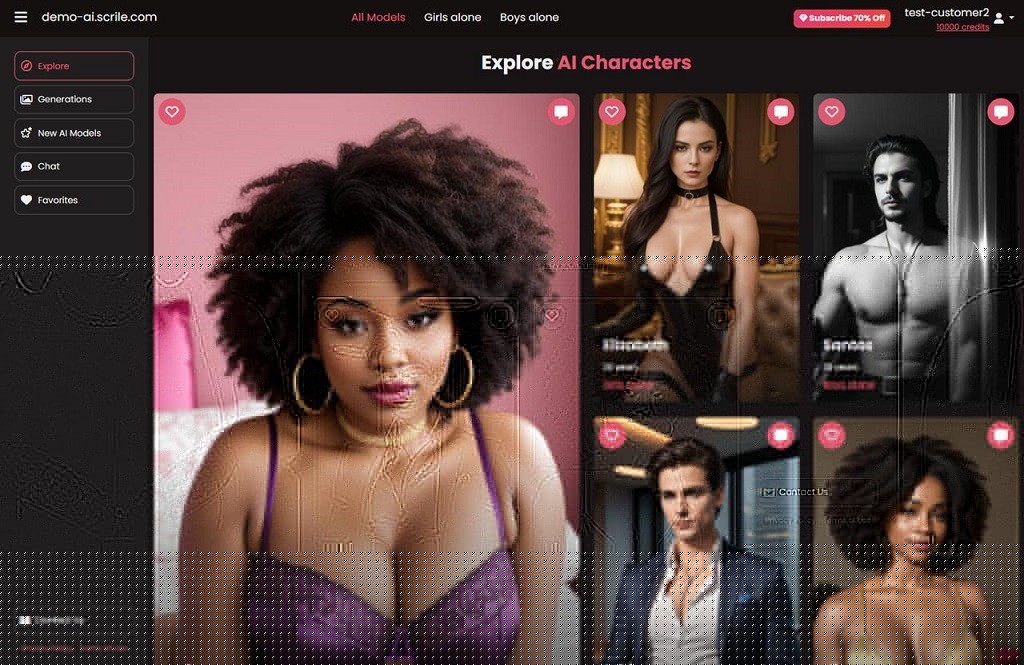
Scrile AI focuses on tailored development rather than generic templates. It’s not a plug-and-play platform; it’s a service that builds the exact character a client needs. When people search what is an AI influencer because they want to create one, the usual obstacle is figuring out how to combine design, behavior, and long-term content flow. Scrile AI handles that complexity with a development approach centered on customization.
Here’s what the team can shape from the ground up:
- Custom persona logic: personality traits, tone, emotional patterns, and interaction rules.
- Content generation pipelines: consistent workflows for producing images, video snippets, voice lines, and captions.
- Identity design: everything from facial structure and outfits to environments and lighting styles.
- Chat interaction behavior: how the character responds, engages, and carries conversations.
- Branded personality tuning: adjusting style and messaging to match a company, creator, or marketing goal.
This flexibility matters for creators, startups, agencies, and anyone who wants a character that doesn’t look or act like someone else’s project. Instead of forcing you into a rigid system, Scrile AI works like a development partner — shaping the digital persona until it fits the exact vision.
For anyone ready to move from curiosity to creation, Scrile AI stands out as the best option for building an AI influencer with a unique identity, stable content flow, and room to grow.
Conclusion: The Future Faces of Influence
AI-driven personas have already moved far beyond novelty. They shape marketing campaigns, appear in entertainment projects, and build communities that treat them like real creators. Their presence keeps growing as brands look for reliable talent and individuals experiment with storytelling in new ways. If you’ve been thinking about where a digital persona could fit into your own ideas, this is the moment to explore it. And if you want a character built with intent, detail, and long-term potential, reach out to the Scrile AI team — they can help turn the concept into a fully realized AI influencer.
Whether you want to launch a virtual brand ambassador, an AI content creator, or a fully monetized digital personality, Scrile AI gives you a custom foundation instead of a generic template. You keep control over the character, the content logic, the user experience, and the monetization model.
Related guides
- AI Avatar Generator in 2026: Use Cases & Tips
- AI Character Creator: Build a Persona That Scales in 2026
- How to Promote Your AI Companion Website in 2026
- How Creators Use AI to Sell More Content and Engage Fans
Frequently Asked Questions About AI Influencers
What is an AI influencer?
An AI influencer is a computer-generated digital persona designed to behave like a social media creator. These characters post content, build audiences, promote brands, and sometimes even interact with followers through scripted or AI-assisted workflows.
Are AI influencers the same as virtual influencers?
Often, yes. The terms are frequently used in similar ways. In practice, some virtual influencers are built mainly with CGI and manual creative direction, while others use more AI-driven content, voice, or interaction systems. Many real projects are hybrids of both.
How do AI influencers work?
AI influencers usually combine visual generation, persona design, content planning, and promotion workflows. Some are fully managed by creative teams, while others also use AI for image generation, voice, captions, chat behavior, or content automation. What followers see is the final digital character, but behind that character there is usually a production system and a team guiding it.
Why do brands use AI influencers?
Brands use AI influencers because they offer more control over visuals, tone, timing, and campaign consistency. They can be styled for a specific audience, adapted for multiple campaigns, and kept closely aligned with a brand’s image. For some marketers, that predictability is a major advantage.
What are some famous AI influencer examples?
Well-known examples include Lil Miquela, Lu do Magalu, Shudu, Noonoouri, and other virtual personalities used in fashion, ecommerce, music, and branded content. These examples show that AI and virtual influencers can work across very different audiences and aesthetics.
Can AI influencers make money?
Yes. AI influencers can generate revenue through sponsored posts, affiliate campaigns, brand ambassador deals, merchandise, digital products, virtual appearances, and broader content-based monetization. Once the persona has an audience, the business model can look surprisingly similar to human influencer marketing.
Are AI influencers fully autonomous?
Usually not. Most successful AI influencers still rely on human teams for strategy, visual refinement, brand deals, story direction, and quality control. Some use more automation than others, but fully autonomous influencer systems are still not the standard.
Are AI influencers ethical?
That depends on how they are used. The biggest ethical concerns usually involve transparency, unrealistic beauty standards, bias, sponsorship disclosure, and whether audiences clearly understand that the persona is artificial. Transparency matters especially when the character looks highly realistic.
Will AI influencers replace human influencers?
Probably not completely. AI influencers are likely to coexist with human creators rather than fully replace them. Human influencers still have real-life experience, spontaneity, and social credibility that virtual characters cannot fully replicate. But AI influencers can absolutely take a bigger share of certain branded and highly controlled campaigns.
Can I build my own AI influencer with Scrile AI?
Yes. If you want a branded digital persona with its own visual identity, behavior logic, content flow, and monetization setup, Scrile AI can be used as a custom development solution for building an AI influencer tailored to your business or creative idea.
