
What Is Peer-to-Peer Fundraising? Guide for Nonprofits
Learn what is peer to peer fundraising, how it works, and why nonprofits rely on it to expand their reach. This guide explores real campaign examples, benefits, tools, and how to launch your own branded peer fundraising system with Scrile Connect.

what is peer to peer fundraising
Nonprofits grow fastest when their message travels through people, not platforms. Supporters already talk about causes they care about. Peer‑to‑peer fundraising gives structure to that energy and turns it into real financial support.
At a basic level, what is peer to peer fundraising comes down to this: individuals raise money on behalf of a nonprofit by reaching out to their own circles. Friends, family, colleagues, and online communities become part of the campaign through personal connections.
Organizations use this approach to expand reach, bring in first‑time donors, and build stronger engagement around a mission. It works across events, online campaigns, and everyday moments worth celebrating or supporting.
This guide breaks down how peer‑to‑peer fundraising works, why it’s effective, what tools support it, and how nonprofits can launch their own campaigns using Scrile Connect.
Quick Answer: What is peer-to-peer fundraising?
Peer-to-peer fundraising is a nonprofit fundraising method where supporters raise money on behalf of a cause by creating and sharing their own campaign pages. Instead of the organization making every donation ask directly, individuals invite their own networks to give. This helps nonprofits reach new donors, build stronger supporter involvement, and scale campaigns through personal trust.

What Peer-to-Peer Fundraising Actually Means

Peer-to-peer fundraising is a method where people raise money for a nonprofit by creating their own fundraising pages and inviting others to contribute. Instead of the organization asking everyone directly, supporters do the outreach themselves. These personal campaigns all connect back to one central cause.
A nonprofit sets the overall goal and provides branding or messaging guidelines. Supporters then build individual pages—often with their own story, photo, or reason for getting involved. They share the link with friends, coworkers, and social media contacts. Donations go through those pages, but everything rolls up to the main campaign total.
You might also see this approach called p2p fundraising or peer-to-peer fundraising. The format works for everything from birthday campaigns to charity runs to awareness events. It fits well with causes that already have a loyal base of volunteers or donors.
One of the clearest ways to frame peer-to-peer fundraising today is this:
“Peer-to-peer fundraising remains the lifeblood of many nonprofits.”
That is a strong summary of why this model matters. It does not only raise money. It expands supporter networks, increases visibility, and gives communities a practical role in helping the mission grow.
Source: NonProfit PRO — Marcie Maxwell Acquires Peer-to-Peer Professional Forum
Beyond Donors—Supporters as Fundraisers
The biggest shift is that supporters aren’t just giving. They’re helping you raise.
Peer campaigns work because they turn passive followers into active partners. That change builds momentum and grows trust. Each fundraiser becomes a spokesperson for your mission, reaching people your team might never reach on its own.
What makes this model so effective:
- Fundraisers bring built-in trust with their networks
- Messages feel personal, not scripted
- Donors often give because of the relationship, not the brand
- One strong advocate can spark dozens of new supporters
At its core, what is peer to peer fundraising? It’s a way to multiply reach and raise more by letting your community carry the message forward.
How the Network Effect Drives Donations

The strength of peer fundraising doesn’t come from the size of one supporter’s audience. It comes from how easily the message travels through small, personal circles. One person shares a page with ten people. Two of them donate. One of those two shares it again. That chain reaction is the core of the “donors attract donors” model.
In a non profit peer to peer fundraising campaign, every supporter brings their own network into the process. It’s not just about asking for money. It’s about telling a story that people close to them are more likely to trust and act on.
The nonprofit doesn’t have to control every step. That’s what makes this model scale. Supporters do the outreach, and the system grows sideways instead of top-down. As more people share, donate, and invite others, the campaign spreads—sometimes fast, sometimes gradually, but almost always organically.
The Social Sharing Multiplier
Why does this approach work so well, even for small organizations?
- Friends and family are more likely to listen to someone they know
- Personal pages feel authentic, not promotional
- Shared stories create a stronger emotional hook than generic appeals
- Donors don’t need to know the nonprofit—they just need to care about the person asking
- Every share opens the door to new circles
- Many small actions add up without overloading the core team
- Engagement stays high because supporters feel ownership
- Campaigns often get donations from people far outside the nonprofit’s original reach
What is peer to peer fundraising, in practical terms? It’s a model that spreads through real relationships, where one donor can quietly unlock a whole new layer of support.
Examples That Prove It Works
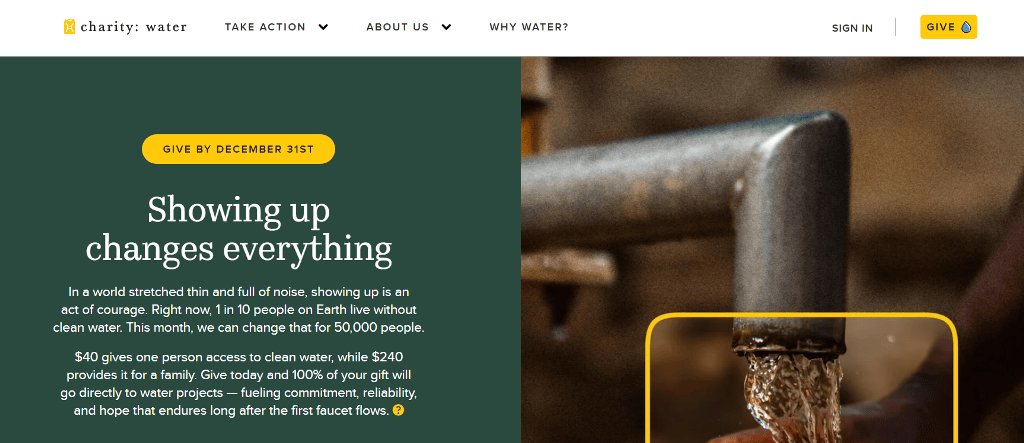
Real campaigns show just how far peer-to-peer fundraising can go when people get involved on a personal level. It’s not about the size of the organization — it’s about how well the campaign taps into supporter energy.
charity: water is one of the most well-known examples. Their birthday fundraising campaign encouraged people to ask for donations instead of gifts. Supporters created personal pages and told friends to give clean water as a birthday gesture. In one year, over 19,000 people launched campaigns. The result: more than $9 million raised from networks of people who often had no prior connection to the cause.
St. Jude Children’s Research Hospital runs an annual walk/run event. Every participant gets their own fundraising page, making it easy to raise support before the event even begins. St. Jude reports that peer campaigns like this generate millions each year — and introduce thousands of new donors to the organization.
GoFundMe Charity (Pro) also supports peer fundraising for nonprofits. One study of campaigns run on the platform found that 80% of donors who gave to a peer-to-peer campaign were new to the nonprofit. That stat alone shows the power of turning supporters into fundraisers.
What These Campaigns Got Right
While each campaign looked different, they shared a few core traits:
- A clear and emotionally strong reason to give
- Personal stories from real people
- Easy-to-use fundraising pages linked to one central goal
- Support from the organization in the form of guides or email templates
- Built-in sharing tools for Facebook, Instagram, and email
- Quick ways to track and celebrate progress
Each peer to peer campaign grows when people feel connected to it and proud to be part of it. That’s the core of what is peer to peer fundraising — giving supporters the tools to lead the charge, while the nonprofit sets the direction.
What You’ll Need to Launch a Campaign

It is important that before embarking on a peer-based campaign, you are employing the right elements for a nonprofit organization. It is not about starting everything over from scratch for each new group you work with.
Start with a clear objective. Supporters can’t promote what they don’t understand. Whether the goal is to fund a new program or hit a year-end target, keep it focused. Then build a story around that goal—why it matters, who it helps, and what success looks like.
Supporters will need personal fundraising pages. These should link to your main campaign but allow space for their own words, photos, and updates. Behind the scenes, your donation system needs to be ready to accept payments, track who gave what, and attribute donations to the correct fundraiser.
You’ll also want to assign a few internal roles. Someone should oversee the whole campaign, someone else should support fundraisers, and someone should handle the tech—whether it’s fixing links, updating totals, or keeping the experience smooth.
Here’s what to line up before you launch:
- A campaign goal that’s specific, measurable, and motivating, backed by a strong visual or emotional hook that supporters can easily share
- A set of branded templates or design assets that fundraisers can use to stay on-message while adding their own voice
- A donation system that tracks gifts by fundraiser, supports easy online payments, and can handle spikes in traffic or volume
- A simple process for fundraisers to join, create their page, and begin sharing in minutes, not hours
- Pre-written guides, email templates, or FAQs to help supporters understand the flow and avoid confusion during key campaign moments
- A follow-up plan that includes donation receipts, thank-you messages, and milestone announcements to keep the energy alive
Most importantly, give your fundraisers a campaign worth being part of. That’s the first rule of any successful peer to peer fundraising effort. If it’s meaningful to them, they’ll make it meaningful to others — and that’s where the growth starts.
Fundraising Models Compared
There are models that non-profits can select to finance their operations, each of which functions in a unique way with respect to the objective. If you have been curious about what is peer to peer fundraising, you should learn about it by comparing it to crowdfunding or other means of seeking donations.
| Method | Who Starts It | Audience Reach | Scale Potential | Control Over Messaging |
| Peer-to-Peer | Supporters | Personal networks | High | Medium |
| Crowdfunding | Organization | Public audience | Moderate | High |
| Traditional Fundraising | Organization | Existing donors | Low | High |
Each model has its place, but for nonprofits looking to expand organically and engage supporters more deeply, peer-driven efforts offer unique advantages. One of the most overlooked peer to peer fundraising tips is to let go of total message control—supporters often drive better engagement when they speak in their own voice.
Choosing Tools That Fit Your Goals
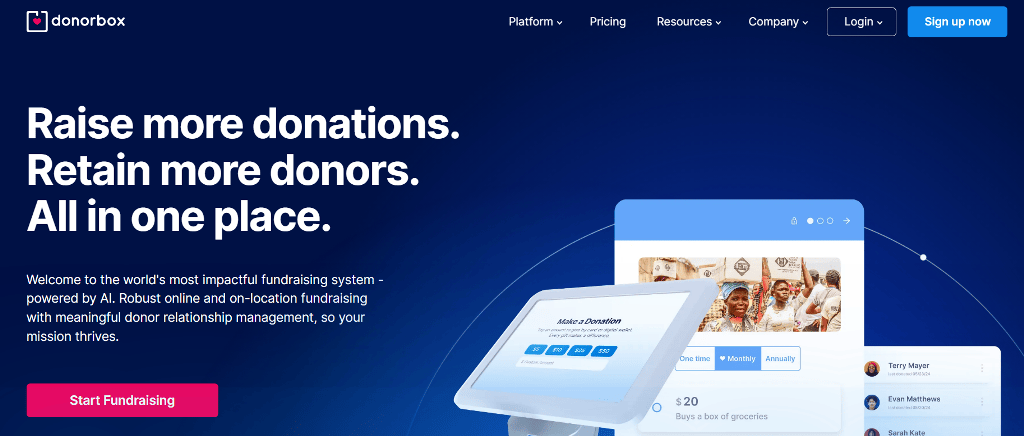
Running a peer-driven campaign takes more than enthusiasm. The right tools make the entire process smoother—for you and your supporters. Before committing to a fundraising platform or service, take a moment to define your campaign’s actual needs.
Will you need branded supporter pages? How many participants do you expect? Do you want real-time dashboards or integrations with your CRM? Your answers will shape the kind of solution that fits.
Here’s what to prioritize:
- Ease of use: The best tools let non-tech-savvy users build and share their pages in minutes.
- Mobile support: Most donors will access campaigns on their phones, so mobile-optimized design is essential.
- Customization options: Look for flexible branding, goal-setting, and messaging tools to keep the campaign aligned with your identity.
- Analytics: Donation tracking, traffic sources, and social shares help refine your strategy as you go.
- Payment flexibility: Support for credit cards, Apple Pay, and other methods makes giving frictionless.
Popular services like Donorbox, Givebutter, Donately, and Classy offer hosted P2P tools. But these often come with rigid templates or platform branding.
For nonprofits that want to launch something truly theirs, with custom features and monetization flexibility, working with a development partner is a smarter route. That’s where knowing what is peer to peer fundraising really helps—because once you understand the mechanics, you can build exactly what your audience needs.
Build Your Own Peer Fundraising System with Scrile Connect
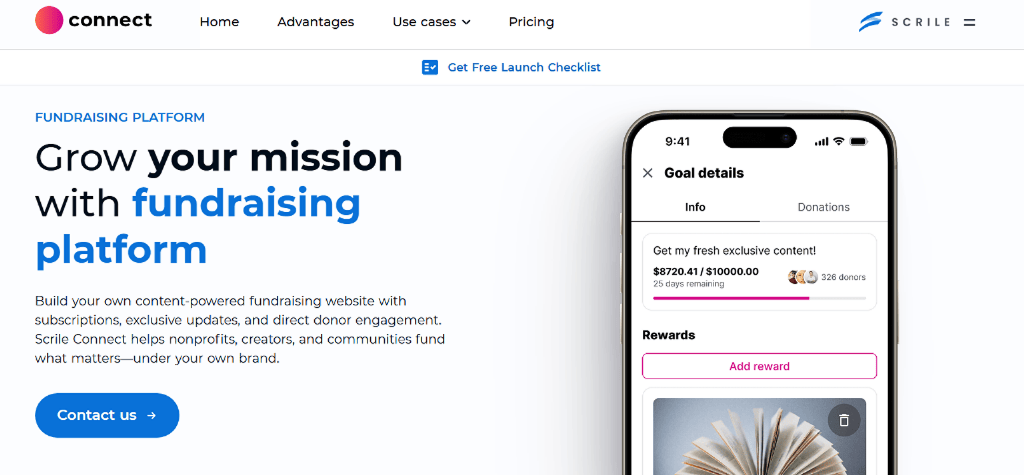
Most third-party tools offer convenience, but at the cost of control. You’re locked into their branding, their workflows, and their fees. That’s where Scrile Connect steps in—offering nonprofits the freedom to launch fully customized peer fundraising ecosystems without building from scratch.
Scrile Connect is not another cookie-cutter platform. It’s a development service that builds software tailored to your organization’s needs. Whether you want a white-label peer-to-peer system, custom supporter dashboards, or donation tools integrated into your existing website, the product is built around you—not the other way around.
What makes Scrile Connect stand out:
- Custom branded interfaces: Maintain your look, voice, and messaging across every campaign page and user interaction.
- Full feature control: Add or remove workflows, design donation logic, or introduce gamified fundraising goals based on your campaign strategy.
- Supporter-centric tools: Let fundraisers create their own landing pages, track their progress, and share easily across social channels.
- Payment and analytics integration: Connect to Stripe, crypto wallets, or local gateways, and see how every part of your campaign performs in real time.
If you’ve researched what is peer to peer fundraising and realized how powerful it can be, the next step is owning your version of it. With Scrile Connect, you get a scalable system that grows with your community, not one that boxes you in.
Conclusion
The real strength of peer-driven fundraising isn’t just in the dollars—it’s in the ripple effect. A single supporter becomes a fundraiser. Their campaign reaches dozens more. Those dozens spark hundreds. Instead of relying on one big push, your nonprofit builds a web of outreach powered by trust and shared purpose.
Once you understand what is peer to peer fundraising, the strategy becomes more than just a trend. It’s a scalable, repeatable approach that deepens supporter relationships while bringing in new donors through personal connection.
Don’t limit the potential to one event or season. Build a system that can grow with your mission.
If you’re ready to create a branded, flexible, and powerful fundraising engine tailored to your goals, reach out to Scrile Connect’s team. We’ll help you launch a custom solution that fits how your supporters actually give—and how your nonprofit actually grows.
Frequently Asked Questions About Peer-to-Peer Fundraising
What is peer-to-peer fundraising?
Peer-to-peer fundraising is a nonprofit fundraising model where supporters raise money on behalf of an organization by creating and sharing their own campaign pages. Instead of the nonprofit making every donation ask directly, individuals invite their own networks to give.
How does peer-to-peer fundraising work?
A nonprofit sets the main campaign goal and gives supporters the tools to create personal fundraising pages. Each participant shares their page with friends, family, coworkers, or followers. Donations are made through those individual pages but still count toward the central campaign.
What is the difference between peer-to-peer fundraising and crowdfunding?
Crowdfunding usually relies on one central campaign promoted directly by the organization or project owner. Peer-to-peer fundraising spreads that outreach across many supporters, each using their own network and personal story to bring in donations.
Why is peer-to-peer fundraising effective for nonprofits?
Peer-to-peer fundraising works because people are often more likely to respond to a personal ask from someone they know than to a general institutional appeal. It also helps nonprofits reach beyond their existing donor list and attract supporters through trust-based relationships.
Does peer-to-peer fundraising bring in new donors?
Yes. One of the main advantages of peer-to-peer fundraising is donor acquisition. Personal campaign pages often reach people who have never donated to the nonprofit before, which makes the model especially useful for growth-focused campaigns.
What are common peer-to-peer fundraising examples?
Common examples include birthday fundraisers, walk or run events, livestream fundraising, team challenges, memorial campaigns, school campaigns, giving days, and supporter-led personal challenges. The format works best when the supporter can connect the cause to a clear personal reason for asking.
What do you need to launch a peer-to-peer fundraising campaign?
At minimum, you need a clear campaign goal, a strong story, personal fundraiser pages, easy payment processing, branded templates or messaging assets, and a system for tracking donations by participant. Supporters also need a simple joining process and helpful guidance so they can start sharing quickly.
What features should a peer-to-peer fundraising platform have?
The most useful features usually include personal fundraiser pages, team fundraising support, mobile-friendly donation flow, analytics, flexible payment methods, campaign branding, and simple campaign management tools. The easier the platform is for supporters to use, the more likely they are to participate.
Is GoFundMe considered peer-to-peer fundraising?
Yes, when supporters create fundraising pages to benefit a nonprofit and share them with their own networks, that qualifies as peer-to-peer fundraising. The exact setup depends on the platform, but the core idea stays the same: supporters fundraise on the organization’s behalf.
Can I build a branded peer-to-peer fundraising system with Scrile Connect?
Yes. If your nonprofit wants more control than a hosted platform usually allows, Scrile Connect can be used as a custom fundraising foundation with branded supporter pages, flexible donation flows, recurring giving options, and campaign experiences designed around your own goals and workflows.
