
What Is Chargeback Fraud Prevention? A Complete Guide
Subscription chargeback payments can be an unexpected reason to lose money as well as put pressure on your employees. However, there are ways to avoid this from happening. In this article, we will review the different chargeback fraud prevention strategies available to you with a subscription business model.


chargeback fraud prevention
What Is Chargeback Fraud Prevention?
Chargeback fraud prevention is the practice of stopping disputed transactions before they impact your business. This combines monitoring, billing procedures, user experience (UX) design, and dispute evidence. For merchants, anti-fraud software is not the only thing that matters.
Anti-fraud software can help merchants avoid confusion over the billing process, avoid disputes from customers, and protect merchants’ revenue. In subscription businesses, the majority of chargebacks occur with legitimate customers whose disputes are due to either forgetting to cancel a free trial, the appearance of vague billing descriptions, or difficulty in cancelling their service.
Why Chargeback Fraud Prevention Matters
A chargeback happens when customers dispute a transaction through their bank instead of contacting you directly. In addition to the refund for that transaction, chargebacks also come with both direct costs and indirect costs:
- Direct: loss of the transaction, chargeback fee, loss of product or service.
- Indirect: higher costs to process, more declines, stricter underwriting.
- Operational: time (support), financial investigations, wasted staff hours.
Example: A subscription business with 1,000 subscribers at $20 per month and 2% chargebacks could lose $10,800 per year (after operational expenses) due to chargebacks. Prevention will always be cheaper than reacting to chargebacks.
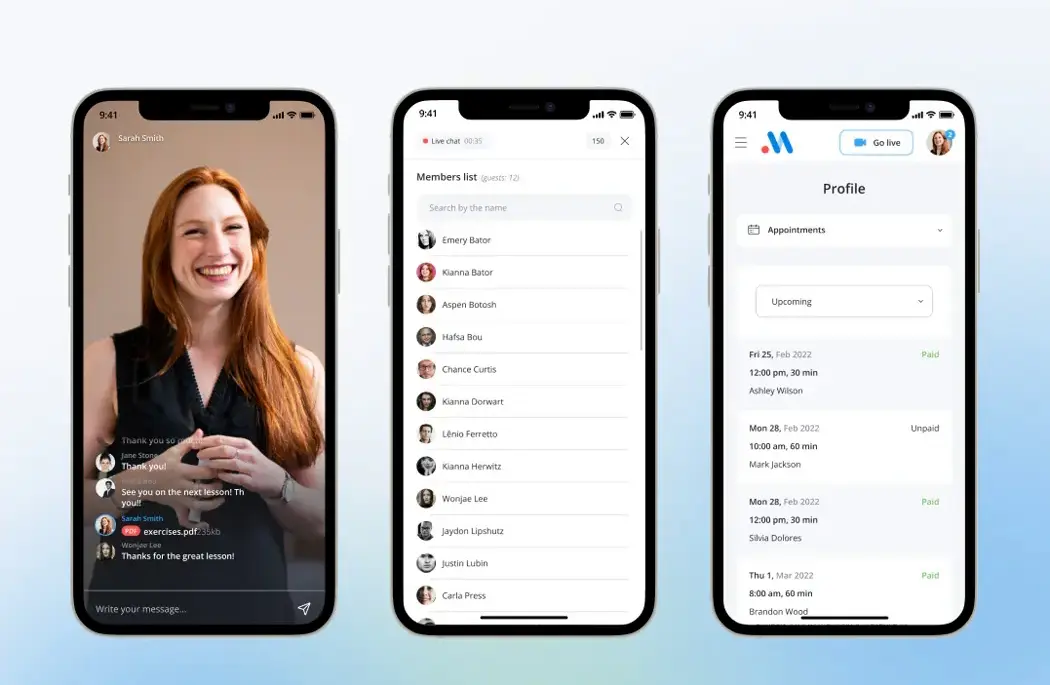
Chargeback fraud prevention is about more than anti-fraud tools. Losses from your subscription business can be minimized, your revenue protected, and your business sustainable if these measures are implemented:
- Transparent trials and billing.
- Clear descriptive naming.
- Clear cancellation process.
- Timely notification and receipt.
- Monitoring and early warning signals.
What Is a Chargeback and Why Are Subscriptions Vulnerable?

A customer can contest a charge to their account by appealing to their issuing bank, known as a chargeback. In subscription-based businesses, the most common type of chargeback involves friendly fraud, which is when a customer either has forgotten about the subscription or does not recognize the charge on their billing statement and then disputes the charge without trying to resolve it through the appropriate channels.
A few of the types of reasons customers may dispute charges with their issuing bank:
- A stolen credit card (fraud).
- A charge they do not recognize (friendly fraud).
- A legitimate dispute involving a bill or billing error.
Common subscription-related vulnerabilities:
- Trial subscriptions converting to paid subscriptions without notification to the customer.
- Billing descriptors that are unclear or confusing.
- Cancellation procedures that are confusing or unclear for customers.
- Poor post-sale communication with customers who have purchased.
“Chargeback fraud, particularly friendly fraud, threatens digital marketplaces by eroding trust and increasing costs—subscription services see the highest volumes due to forgotten renewals.” Forbes
For subscription businesses, chargeback protection for merchants is not optional; it’s a core operational strategy.
The Real Costs of Chargebacks

A chargeback is not just a refund; it has costs associated with it as follows:
Direct Costs
- Lost transaction revenue ($20-$100+).
- Chargeback fees ($15-$50).
- Lost product/service delivery.
Indirect Costs
- Higher processing fees if chargeback thresholds are exceeded.
- Increase in dwindling legitimate payments due to excessive chargebacks.
- Stricter chargeback underwriting by processing companies.
Operational Costs
- Frustrated customer support team members.
- Finance team members investigating disputes.
- Time lost in recovering preventable chargebacks.
Mini Calculation
- 1,000 subscribers × $20/month = $20,000 revenue.
- 2% chargeback rate → 20 disputes × $45 loss each = $900/month → $10,800/year.
- Adding operational costs doubles the real impact.
This shows why chargeback fraud prevention strategies are essential, not optional.
Chargeback Fraud Prevention Is Not Just Tools: UX and Communication
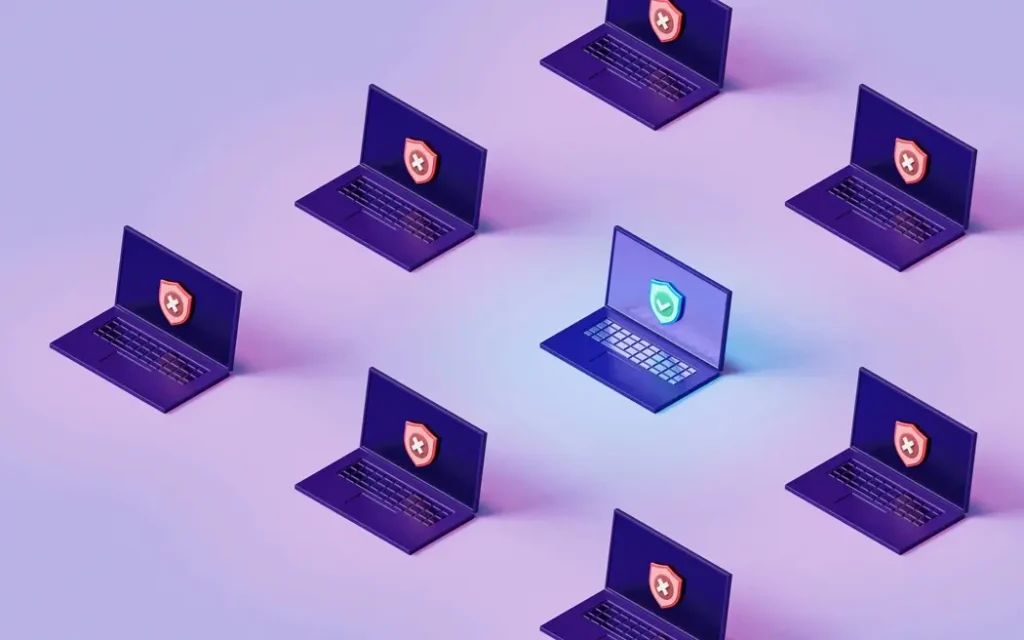
Many businesses rely solely on anti-fraud software—but subscription disputes often stem from confusion, not fraud. Effective merchant chargeback protection requires designing the customer experience to reduce misunderstandings.
Key Strategies
- Clear terms for transparent trial programs; send notifications and reminders.
- Make it easy for users to identify purchases by displaying recognizable descriptors on invoices/receipts.
- Easy, one-step cancellation experience will reduce user frustration.
- Notify users of pending charges prior to charging by providing timely notifications/receipts prior to charging.
“Most disputes stem from confusion, not malicious intent—clarity in billing and communication reduces chargebacks significantly.” Chargeblast
When UX and communication are aligned, chargeback protection for merchants becomes proactive, not reactive.
Key Metrics for Merchant Chargeback Prevention

The use of appropriate measurements allows businesses to be proactive instead of reactive in identifying potential risks before disputes occur.
Key metrics for effective monitoring:
- Charged-back percentage (%).
- Refund ratio (refunds to total number of transactions).
- Churn rate following billing.
- Total number of failed payment attempts.
Signals of potential dispute:
- Massive cancellation spike following billing.
- Sudden increase in customer support tickets regarding billing.
- Increase in requested refunds.
Thresholds & trigger points for effective monitoring:
- Investigate signs of potential dispute: chargeback rate > 0.90%.
- Review messaging to customers: using a spike in cancellations upon the renewal of the contract as a trigger point.
- Investigate potential UX issues: using a refund spike >20% from the previous week as a trigger point.
Tracking metrics consistently shifts businesses from reactive to proactive chargeback fraud protection.
Tools vs. System-Based Approach

| Approach | Features | Pros | Cons | Best for |
| Fraud tools | Transaction risk scoring | Stops stolen cards | Doesn’t address friendly fraud | E-commerce |
| Alert systems | Real-time dispute alerts | Prevents escalation | Reactive by nature | Growing businesses |
| Dispute tools | Evidence management | Improves win rate | Doesn’t reduce volume | High-volume merchants |
| System-based approach | UX + billing + alerts + monitoring | Prevents root causes | Requires setup | Subscription platforms |
Dispute Evidence: Building a Strong Operating System

No matter how much prevention is put in place, sometimes disputes will occur. A structured way to collect your evidence can improve win rates significantly:
- Proof of signup (including but not limited to) e-mail address, timestamp, etc.
- Accepted Terms and Conditions.
- Billing history, including invoices.
- IP address and device data.
- Communication and log history.
The way you automate those collections adds to your overall success by creating consistency and timely response times, while also decreasing your operational overhead.
Chargeback Prevention Companies vs. Platform Solutions

| Solution type | Key benefit | Limitation |
| Chargeback prevention companies | Specialized dispute tools | Fragmented, reactive |
| Payment processors | Alerts & scoring | Limited UX control |
| Platform solutions | End-to-end prevention | Requires adoption |
| Hybrid approach | Combines benefits | Complex integration |
How to Choose the Right Strategy
Small businesses focus on UX, simple monitoring, and clear trials.
Scaling platforms introduce alerts, automated monitoring, and platform-based solutions.
High-risk niches’ full system-based solution combining UX, alerts, and automated workflows.
Key takeaway: prevention is cheaper and more effective than fighting disputes afterward.

Summary: Prevention Before Payment
- UX matters: so, do trial and accounting clarity, clear cancellation, etc.
- Communications reduce risk.
- Metrics/monitoring is needed.
- Structured dispute evidence allows you to improve your win rate.
- Platforms outperform isolated tools.
Reduce chargebacks with Scrile Meet – integrated UX, alerts, and monitoring for subscription businesses.
Reduce Chargebacks With Scrile Meet
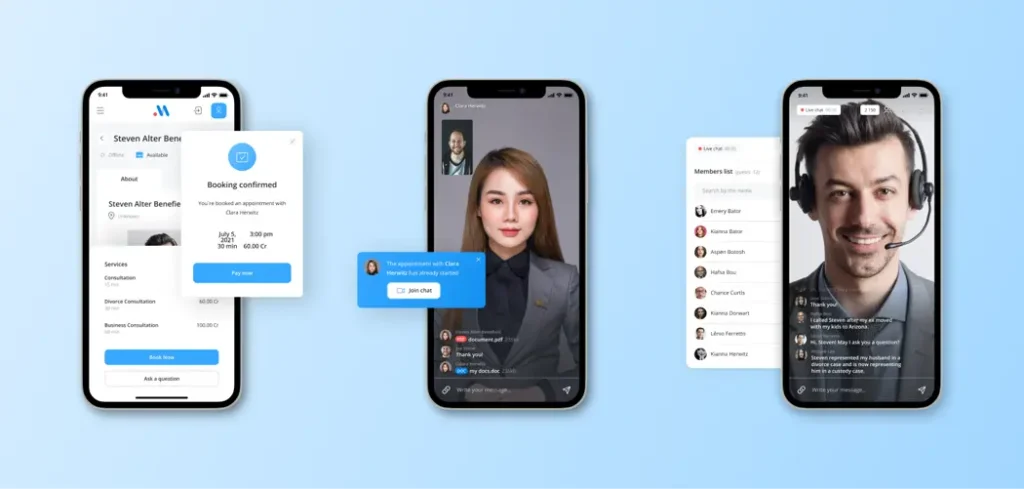
If you’re a subscription business witnessing growth but chargeback disputes are eating up your revenue as well as stressing out your team, you should now take action. The solution to this issue isn’t simply adding more tools. Rather, you need to implement an integrated system that brings together: UX, clear billing or pricing structures, metrics and monitoring, and automated chargeback prevention.
Why Scrile Meet Works
Scrile Meet is designed specifically for subscription businesses and content creators. It helps you:
- Lower the chance of chargebacks by having clear billing descriptions so consumers will easily identify their purchase on their statement.
- Provide a better subscription experience by providing clear trial periods, easy ways to cancel, and clear communication when a subscription will auto-renew or expire to help build trust.
- Keep track of your risk in real time using automated alerts and insight data so that you can step in to explain before the food gets cold.
By integrating all these layers into one platform, Scrile Meet doesn’t just react to chargebacks; it prevents them at the source. This means less operational stress, fewer lost transactions, and more predictable revenue.
FAQ: Chargeback Fraud Prevention for Subscription Businesses
What is a chargeback and how is it different from a regular refund?
A chargeback is when a credit or debit card customer receives a refund through their bank. Chargebacks differ from typical refunds because they can create fees, hold up your cash, and hurt your relationship with your payment processors (like Visa and MasterCard). In subscription-based scenarios, chargebacks are most often initiated by customers who were confused or unaware that they were charged for a subscription. The loss of funds via chargeback in these situations was not the result of malicious or fraudulent activity.
Why are subscription businesses more vulnerable to chargebacks?
Recurring billing introduces a delay between the time a client signs up for a service and when they are actually billed again. Clients may forget about their subscription or have trouble identifying the charge on their credit card statement, or they may face obstacles when trying to cancel the payment. This increases the likelihood of friendly fraud, making merchant chargeback prevention essential for recurring-revenue businesses.
What are the main strategies for chargeback fraud prevention?
Effective prevention involves multiple layers:
- UX and communication.
- Monitoring and alerts.
- Dispute evidence collection.
- Platform-based solutions.
How do chargeback prevention companies differ from platform-based solutions?
- Chargeback prevention companies provide specialized tools for fraud detection, alerts, and dispute management. The vast majority of them reactively function away from your subscription solution.
- With platform-based solutions, you have unified UX, billing, monitoring, and evidence workflow systems. As such, you reduce disputes at their source and operational complexity.
What UX best practices help minimize chargebacks?
You can help eliminate confusion and frustration by doing the following:
- Communicating well with your customers regarding trial periods and subscription pricing.
- Using consistent and easy-to-recognize billing titles.
- Providing the ability to cancel subscriptions in an easy and transparent manner (no hidden steps).
- Reminding customers about renewals, as well as sending confirmation of payment.
When a customer is confused or frustrated, that will often lead them to “friendly fraud.”
How much can a structured chargeback prevention approach save a business?
A subscription business has 1,000 users who each pay $20. The business has a 2% chargeback rate. So, the business would lose $10,800 yearly, but after using the platform approach with UX enhancements (design improvements) and real-time chargeback alert and monitoring, the chargeback rate dropped to 0.8%. The business will now lose $4,320 per year. There is an annual savings of $6,480, with the added benefits of reduced operating costs and enhanced customer confidence in the company’s services.
Related guides
