
Fan Engagement App: Features Fans Actually Use
See what a fan engagement app should include, from posts and chats to subscriptions, merch, livestreams, rewards, and community tools.


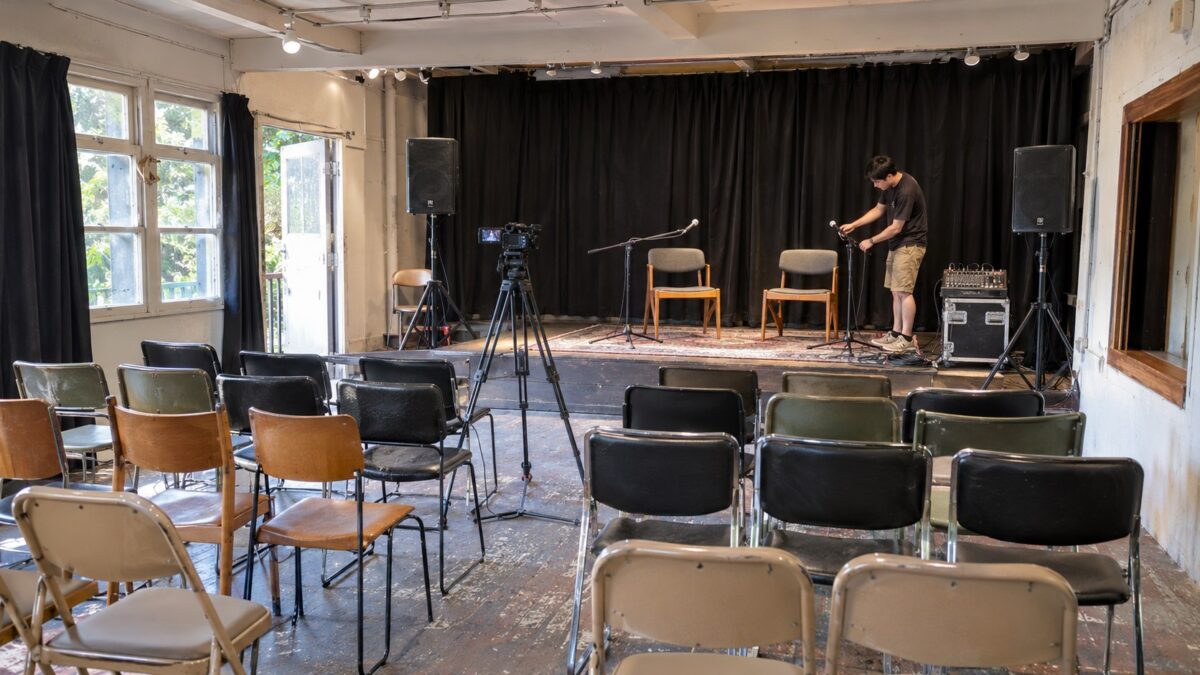
Fans question a seated musician as a community host chooses the next speaker during a daytime listening-session Q&A in a record shop.
Quick answer
A useful fan engagement app gives fans a recurring activity, a visible response and a reason to return. Start with a clear feed, usable content, reliable access and a bounded interaction. Use mobile web when it serves the journey; a dedicated app needs a tested task advantage. Send requested reminders, measure participation across cycles and expand only when the team can keep its promises. Downloads measure acquisition, not whether fans received the benefit.
Start with the activity fans will return for
The feature list already contains a feed, chat and rewards. The calendar still has nothing a fan should return for next Tuesday. That gap is the first design problem: a useful fan engagement app needs a recurring promise before it needs more places to tap.
Choose a primary outcome: retain superfans, deliver paid access, build direct audience relationships or increase repeat participation. Direct accounts and separately requested communications create a first-party relationship, without establishing unlimited ownership of fans’ information.
In this illustrative artist pilot, the team has eight staff-hours a week and initially wants clips, polls, open chat, points and merchandise. Its stronger starting offer is narrower: hear a rehearsal excerpt every Tuesday, choose between two arrangements before Thursday at 18:00 UTC, then see the band respond on Friday.
Scheduled drop or event → watch, vote, ask or contribute → creator or community response → next installment. This is the engagement loop. The feed carries it; the visible response makes participation matter. A vote that disappears into silence is just a small form.
Friday closes the promise: “You chose the acoustic arrangement. Here is the band’s response; next Tuesday’s rehearsal clip will use it. Voting opens Tuesday and closes Thursday at 18:00 UTC.” Fans now know both what changed and when they can participate again.

Give every fan engagement app feature a job
The first version needs a clear home, usable content, reliable account and access handling, and an interaction tied to the recurring promise. Reporting, moderation and measurement support that experience. Other features earn their place through a distinct benefit someone can deliver.
A feed should show the next activity, its closing time and the last response. Put the current clip ahead of old announcements. Test playback, captions and access from a phone. Fans should not have to reconstruct your publishing calendar from a pile of posts.
Comments support discussion; polls influence a bounded choice. Offer arrangements the band is prepared to play and publish the result beside its response. An unrestricted creative referendum is misleading if the decision is settled. Choose question submission when the useful result is an answer.
Private chat needs a named recipient, response window and service hours. A creator’s inbox and a support inbox make different promises. Keep chat closed without coverage, reporting, restrictions and escalation. The fan chat app guide develops the separate choice of conversation formats and boundaries.
Live sessions create a shared appointment. Plan a replay or written recap and say whether questions are selected rather than individually answered. Rewards should recognize useful contributions with deliverable benefits, such as an agreed thank-you credit. An unexplained points balance adds arithmetic without adding a reason to care.
Subscriptions suit a reliably repeated benefit; individual paid posts suit a discrete item. Bounded paid personal access needs a recipient, response limit and delivery window. Before purchase, show a preview where useful and state cadence, access duration and what personal response is included. Avoid making fans navigate several transactions to understand the basic experience.
A proposed merchant policy for a cancelled paid session is to offer a replacement date and a refund option, record each affected fan’s choice and assign support to carry it out. This is an operating promise, not a statement of law or automatic software behavior. Payment without access also needs a named support owner who can resolve the missing benefit.
Keep merchandise on a straightforward purchase route unless it has a demonstrated recurring role. A fan club store needs clear product and purchase information, not an invented daily habit. Push and email carry requested updates to activities; they should not become extra work for fans.
Choose the mobile journey and earn notification attention
Start with mobile web when fans can complete occasional access and purchase tasks there. A dedicated iOS or Android app needs a demonstrated improvement to a repeated phone task. A branded platform is the underlying service; calling it an app does not tell you how fans will reach it.
Compare routes on the same outcome. Social and email discovery plus a focused website can lead straight to a release. A branded recurring platform combines content, accounts and participation. A dedicated app requires installation and another destination to maintain; it must improve a task enough to justify that step.
On iPhone, Android and a computer, test invitation → registration → promised item → playback → participation → leave and return. Record failures and assistance needed. First repair the existing journey if fans lose their viewing place or miss the correct session. Compare any app prototype against that specific failure.
Keep computer access for longer viewing and account tasks. Successful occasional releases and merchandise purchases can stay on the web. Quiet days between releases do not prove the website needs replacing; frequent use alone does not justify native development. Identify the task an app would improve.
For notifications, ask in the context of a requested benefit. Android’s notification guidance recommends explaining value before the permission request and providing preferences. Offer separate choices for event reminders, replies and followed content. A fan saving a rehearsal Q&A has a reason to choose a reminder; a new registrant has not yet expressed that interest.
Proposed sequence: show the event in the schedule, offer a reminder when it is saved, then send a single requested reminder 15 minutes before the start. “The rehearsal Q&A you saved starts in 15 minutes—open the session.” Open that session, with a clear not-started or ended state when appropriate, rather than dropping the fan at the home page.
Put routine posts in an optional weekly digest. Suppress alerts for expired events or completed items. After permission is declined, keep the schedule and responses accessible; send email reminders only when separately requested. Review complaints and completed actions before increasing frequency.
Match the MVP to your audience and available time
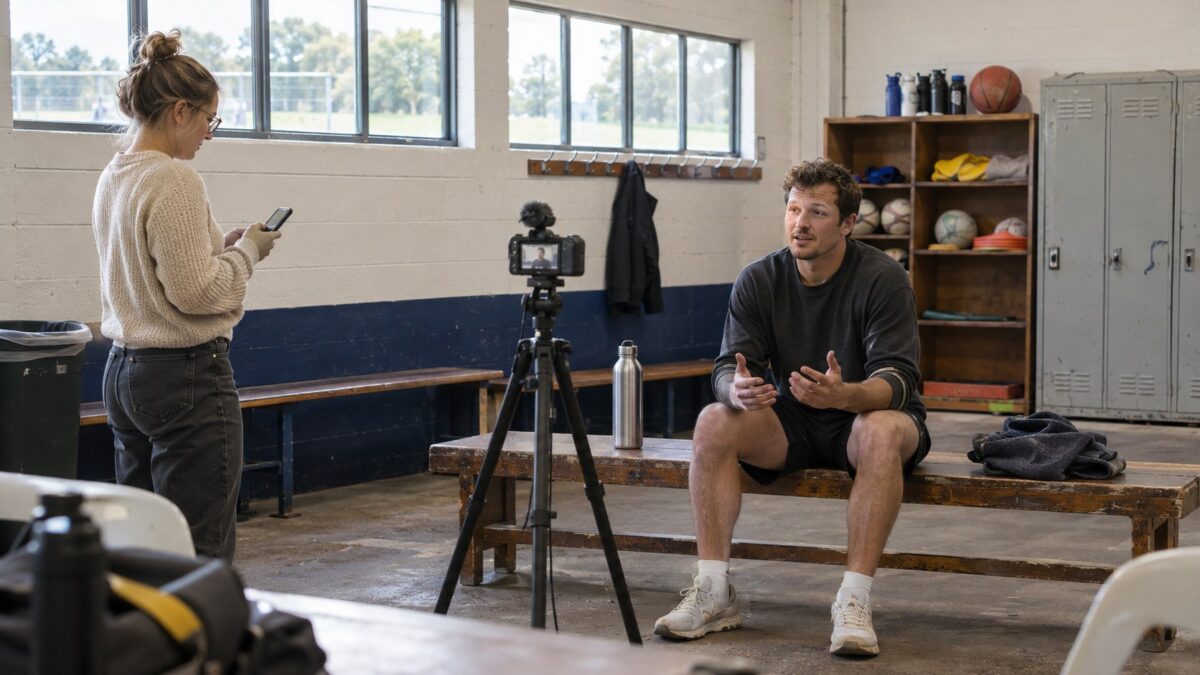
A minimum viable product should fit the audience’s natural activity cycle and the team’s coverage. A sports community can return around events; an occasional audience may need only a release digest. Daily use is a poor target when there is no daily benefit.
| Audience and cycle | Fan action and visible result | Minimum features | Owner and weekly service limit | Expand or defer |
|---|---|---|---|---|
| Musician or creator; weekly creative cycle | Choose an arrangement; hear the response in the next clip | Clip feed, bounded vote, response post, access and reporting | Artist pilot: lead and band; eight staff-hours total, two for replies/moderation | Keep the loop; defer private chat while discussion exceeds coverage |
| Sports or event community; event-to-event | Submit a question; receive an answer or post-event recap | Schedule, question window, recap and reporting | Community lead and host; one staffed question window per event week, closed outside published hours | Expand event access after reliable delivery; defer daily chat without daily coverage |
| Multi-creator agency; each creator’s published cycle | Find a chosen creator’s installment; receive that creator’s response | Creator discovery, separate schedules, posts, access and reporting | Creator owner plus shared support; one bounded response window per creator per week at launch | Review results by creator; defer extra channels until every promised window has coverage |
| Occasional audience; release cycle | Consume a drop; learn the next release date | Mobile content page, access, opt-in digest and support | Publishing lead; one scheduled question window in release week only if staffed | Retain web if the drop works; defer always-open discussion and a dedicated app |
The table changes what “returning” means: the next comparable event or the chosen creator’s next installment. Agency-wide totals can conceal a neglected profile. Schedule and measure at creator level, then demonstrate how fans find relevant work; an administrator’s profile catalog alone does not prove that journey.
The artist pilot’s proposed eight-hour weekly budget is three for production and publishing, two for replies and moderation, one for event preparation, one for support and one for measurement. Discussion actually requires four hours in the illustration, so demand becomes ten hours, two beyond capacity. Keep the clip and vote; narrow discussion to a single moderated weekly thread and leave private chat closed.
- Promise: write the fan action, visible benefit and next installment date; accept the journey only when a tester can complete it without help.
- Ownership: name the publisher, responder, moderator and support owner, allowing shared roles; reserve weekly hours and assign backup before inviting fans.
- Service: publish the reply window and participation limits; test that a question receives the promised response within that window.
- Controls: test reporting through review and resolution, including restricting repeat abuse and privately contacting the affected fan; keep unsupported interactions closed.
- Expansion: declare a later-cycle participation target, check on-time responses and available capacity, then approve only the additional feature with a distinct fan benefit.
Run acceptance checks before inviting more fans. If harassment outpaces live coverage, restrict the offender and pause chat if necessary. A staffed window preserves a promise; an unattended channel makes the service gap public.
Measure participation before expanding
Count unique fans completing the promised activity and completing another in a later cycle. Keep downloads, registrations, visits and notification opens separate. Engagement here means meaningful participation supported by the promised response, rather than arrival at the door.
Before invitations, assign the community lead a four-cycle pilot and declare completion. Here it means watching Tuesday’s clip and voting by Thursday at 18:00 UTC. Check Friday’s response, then observe the same fans in the following Tuesday-to-Thursday window.
- Activation = 80 unique first-activity completers / 120 registrants = 66.7%. The registration group is the invited pilot’s entry population.
- Repeat participation = 32 of those first completers finishing the next weekly activity / 80 first completers = 40%. Keep the original completion group as the denominator.
These illustrative counts separate entry from participation across opportunities. The team’s predeclared 35% target is an operating choice, not a benchmark. Clearing it does not prove a feature caused the return or that every registrant received value.
Google Analytics’ retention overview distinguishes new and returning users and groups retention by acquisition cohort: people first acquired in the same period. Use that context alongside activity completion, access failures, device and response delivery. A return visit alone does not prove participation.
When arrivals cannot complete, repair access, playback or instructions. When completers do not return, ask returning and absent fans what the response changed and strengthen the next installment. Growing queues require less interaction or more coverage. Compare like activity cycles.
The artist team retains the clip, vote and Friday response, but narrows discussion. Next Tuesday’s clip uses the chosen arrangement, making participation visible. Review the remaining cycles before adding channels: expansion requires repeat participation, on-time delivery and workload within budget.
Test the branded content foundation
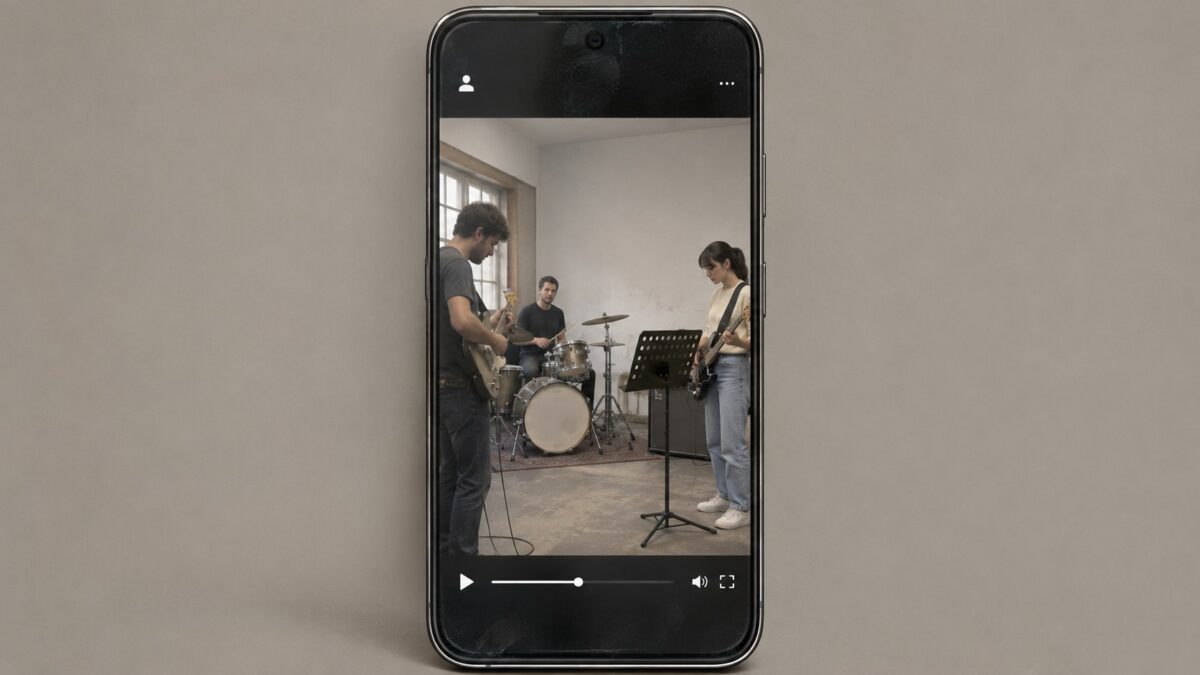
Once the recurring promise is clear, choose the foundation that can deliver its content and access reliably. That is a narrower, more testable decision than buying every community feature at once. The first useful result is a real destination fans can reach and use.
For the broader choice of capabilities, the superfan platform guide continues the selection. Bring the pilot schedule, access promise and service limits. Keep polls, rewards and native alerts as requirements to demonstrate, rather than assuming any branded platform supplies them.
Test a representative rehearsal post through invitation, preview, registration, intended access, playback, return and support on phones and a computer before inviting fans. Check both an entitled fan and a visitor who should see the preview. A real item exposes a broken destination before the schedule depends on it.
A hosted branded website can establish the destination while leaving the dedicated-app decision open. Content access, native delivery and notification behavior need separate acceptance checks tied to the fan tasks they serve.
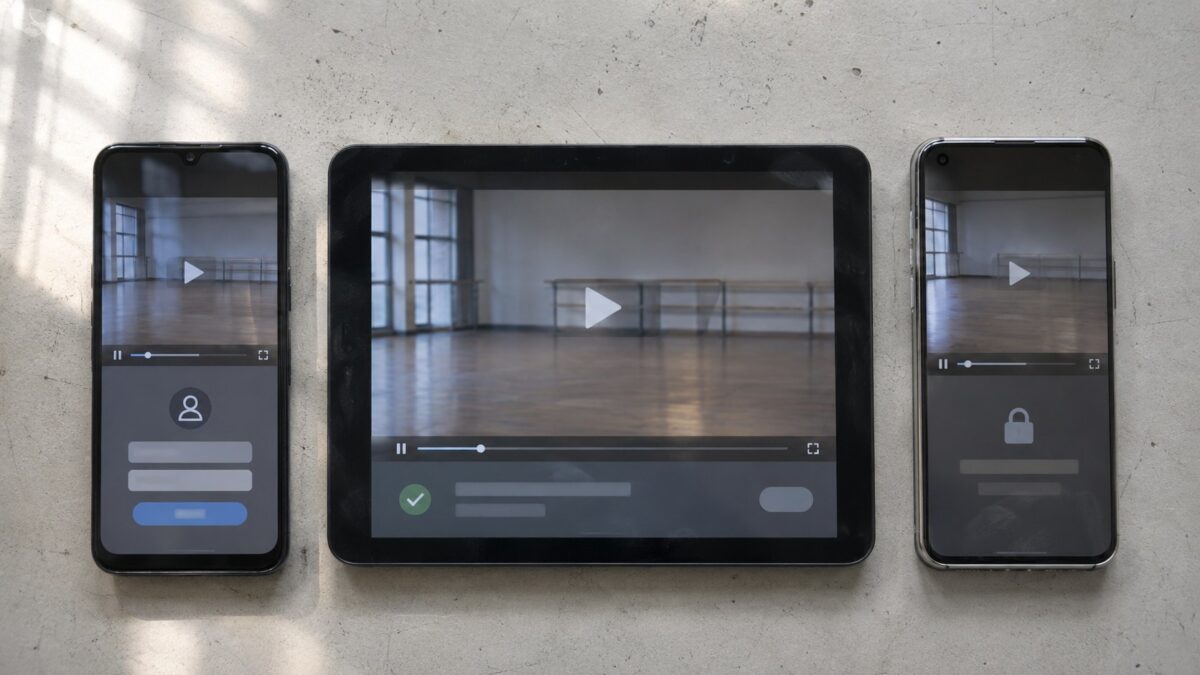
Put the content promise in front of a fan
Scrile Connect supplies a hosted website under your brand and domain, with subscriptions, paid posts, messaging and live streams. It fits the paid content destination established here; native iOS or Android delivery, native push, polls and rewards need separate demonstration.
Use the Solo or Agency 14-day trial form with a subdomain, email, name and use case. With onboarding support, publish a representative rehearsal post and test its intended access on a phone and a computer. The result is a concrete fan-facing item you can evaluate before inviting the pilot group.
Frequently asked questions
What gives fans a reason to return to an app?
A recurring activity needs a visible result and a definite next opportunity. Participation matters when fans can see what their question, choice or contribution produced.
Which features belong in the first version?
Start with content, access and a bounded interaction that delivers the promise. Include reporting and staffed moderation wherever fans can publish or contact others.
Do fan communities need a dedicated mobile app?
Occasional access and purchases can stay on mobile web. A dedicated app becomes a candidate when a repeated phone task fails and the proposed app demonstrably improves it.
What should happen if a fan declines notifications?
The schedule, content and responses should remain accessible. Offer email only as a separate choice, and let fans change which updates they receive.
What is more useful than download counts?
Track meaningful first completion and completion in a later activity cycle. Check access failures and promised responses alongside those counts.
Should a sports community aim for daily use?
Match evaluation to its event cycle. Returning for the next event and receiving the promised recap can be more useful than opening the app on an uneventful day.
When should paid membership replace individual purchases?
Membership fits a repeated benefit the team can deliver reliably. A discrete content item can remain a separate purchase; explain access and response limits before payment.
Can a branded website trial prove native-app readiness?
It can establish a usable content and access destination. Native iOS or Android delivery, native push, polls and rewards require their own scope and demonstration.
