
Best Fitness Membership Sites for 2026: Platforms, Examples & Business Models
In this article, you will find a step-by-step guide on developing tiered membership options specifically geared toward the fitness creator niche and an online fitness business. You will also find ways to monetize those memberships through proven examples and tools to establish or expand upon your already established online fitness membership business into something that can be very profitable for you as well.

fitness membership sites
Introduction
Fitness membership sites are subscription-based digital platforms where fitness creators and online fitness companies deliver structured training programs, community access, and ongoing coaching through recurring payments. These platforms offer a much more sustainable experience than just digital courses or fitness videos sold individually by focusing on long-term value, tracking your progress, and providing special experiences.
Fitness Membership Sites: What Actually Works in 2026?
- Fitness membership sites rely on three factors to succeed: multipurpose content, belonging to a community of people like you, and paying on a monthly basis.
- Success can also include a combination of on-demand workouts and live classes or challenges.
- What really matters is retention of users—not being able to drive traffic. Higher engaging users will generate long-term revenue.
- A successful fitness creator will also grow his or her brand/content by using their site rather than relying on third-party platforms such as Instagram or Facebook.
- Tiered pricing and upselling of products and services create a more significant lifetime value, as they encourage customers to invest more in their fitness journey and access premium content or personalized services.
Why Fitness Membership Sites Are Growing
The growth of fitness membership sites isn’t random. It’s driven by clear market forces. To begin, the expectation of flexibility has risen for fitness users. They want the ability to work out wherever and whenever and not have to go to a physical gym to complete those workouts.
Secondly, personalization is becoming the norm for users of fitness programs. They no longer want just a workout; they want a program designed for them, their goals, their level of fitness, and their lifestyle.
Finally, with the continual growth of the creator economy, there are more and more people being added every day as independent fitness creators based upon their expertise in some niche area and their unique creation style. This population provides an opportunity for niche audiences to be built based off these unique styles. Overall, fitness membership sites have won because they provided their users with the three attributes of convenience, personalization, and sense of ownership. The combination of these in 2026 will be difficult to match.
“The end goal of people who go to fitness centers isn’t access to the equipment or trainers; it is to get in shape.” — Harvard Business Review
Business Models Used by Fitness Creators
Subscription-Based Memberships
Most Internet fitness companies have built their businesses on a subscription service. By offering users financial fitness through online access to community, content, and features, these companies have created a reliable and predictable revenue source that can be scaled quickly.
The majority of companies that use subscriptions to provide physical fitness features have these tiers of service:
- Basic: Access to workouts.
- Pro: Workouts, challenge, and community.
- Premium: Complete access to all services as well as 1-on-1 coaching and live classes.
This tiered structure works because it meets the needs of every user. New users tend to not want to pay high dollars; however, experienced customers will be more than willing to pay higher fees to get the support they need.
Hybrid Monetization Models
The potential and strength of combining multiple revenue streams with subscriptions speak volumes. A large number of creators have started to utilize hybrid models that result in increased average monthly revenue per user.
Examples of some hybrid models are the following:
- Member + paid challenges (30-day transformation).
- Member + personalized coaching.
- Member + increase in value offerings.
This allows there to be multiple entry points for potential buyers; some will be small at first (low entry costs) and grow. Others will go all through high-ticket access to higher-priced membership.
Community-Driven Revenue
Modern platforms excel at creating and retaining value. Community is now critical for monetization, as opposed to simply being a ‘nice to have.’ Fitness creators have begun creating private groups for users to connect, share, and provide accountability. This gives these groups a perceived value, as access to them is typically behind a paywall.
Live interaction, such as having weekly workouts, Q&A calls, and/or casual check-ins, is very beneficial for retention. Retention, in this model, is vital, because the longer a user stays, the more valuable they each become.
Key Features of High-Retention Fitness Membership Sites
Tiered Content Strategy
Strong content organization allows users to feel at ease. Rather than just putting a bunch of content in one location (the library), successful platforms provide a way to navigate their content through defined pathways.
Examples of common pathways are the following:
- Beginner → Intermediate → Advanced Programming.
- Goal-related programming (weight loss/strength/mobility).
- Premium content locked at higher levels of membership
A structured content approach allows for progress to be made by always letting users know what their next step is, which creates a lower user drop-off rate.
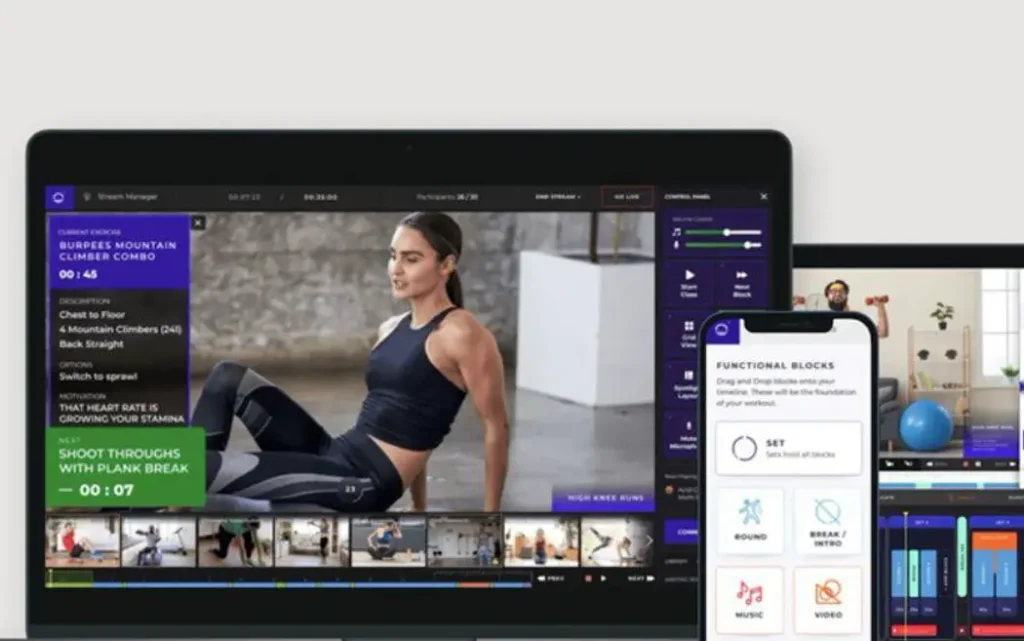
Live Streaming & Real-Time Engagement
The live interaction is important too because it builds connection. This has made live streaming a key component of our experience. Through offering weekly workouts, Q&A sessions, and events, we provide a reason for users to join in along with providing an opportunity for users to connect with one another.
Even simple live experiences can greatly enhance users’ retention rates by making users feel connected to one another.
Challenges and Gamification
When users are willing to become actively involved in something rather than simply being a passive observer, they face challenges that encourage them to continue using the service.
Also important is the addition of gamification elements that correlate to basic motivation psychology, such as leaderboards, badges, and streaks.
As a result, many of the most widely used platforms have created their services with an emphasis on the user’s behavior rather than content and have created systems that help them develop their behaviors by rewarding their consistency. So, they can easily see the progress they’re making. The more time users spend on these platforms, the more revenue the services earn.
Examples of Online Fitness Companies and Platforms

Creator-Led Platforms
The fastest-growing part of this market is individual creators monetizing their own platforms and monetizing directly with subscriptions. The majority of these businesses are niche-based. For example, a creator may be focused on yoga or strength training or postnatal fitness, and this niche will work to their advantage by allowing them a highly engaged audience without having to target everyone.
Gym-Based Digital Platforms
The traditional gym is making changes to adapt. Today, many gyms have a hybrid model that combines traditional offline gym access with a digital membership.
This allows users to use the gym and follow their workout at home. The added ability for consumers to use both a gym and/or their home for workouts leads to greater loyalty and broader customer reach. However, many hybrid gyms do not have a strong community aspect. Therefore, creator-based models still have an advantage.
Marketplace vs. Owned Platforms
| Model | Pros | Cons |
| Marketplace | Fast launch, built-in audience | High fees, limited control |
| Owned platform | Full control, better branding | Requires setup and marketing |
Real-World Fitness Platforms and Creator Ecosystems
Nike Training Club (NTC)
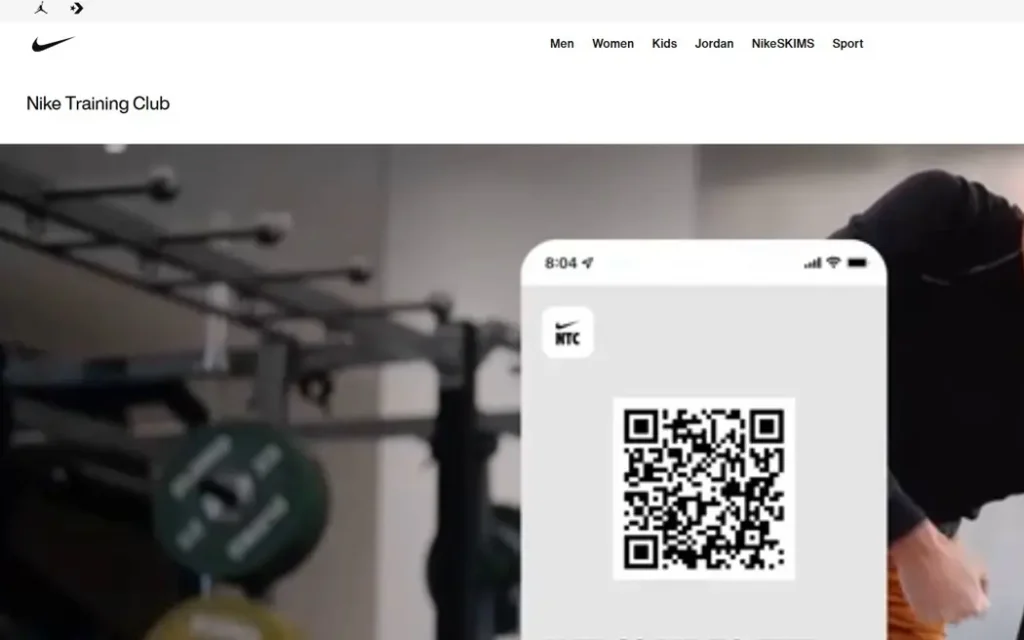
Around the world, there are millions of users using this fitness platform to access expert-designed workouts, training programs, and sessions. This platform is used primarily as a means for users, who want to enter the digital fitness world at no or very minimal cost, to engage Nike in an ongoing manner with their entire ecosystem of products for an extended period of time. It also demonstrates how large companies use their fitness-related content as part of their overall loyalty strategy rather than just for achieving revenue from a subscription model.
Peloton
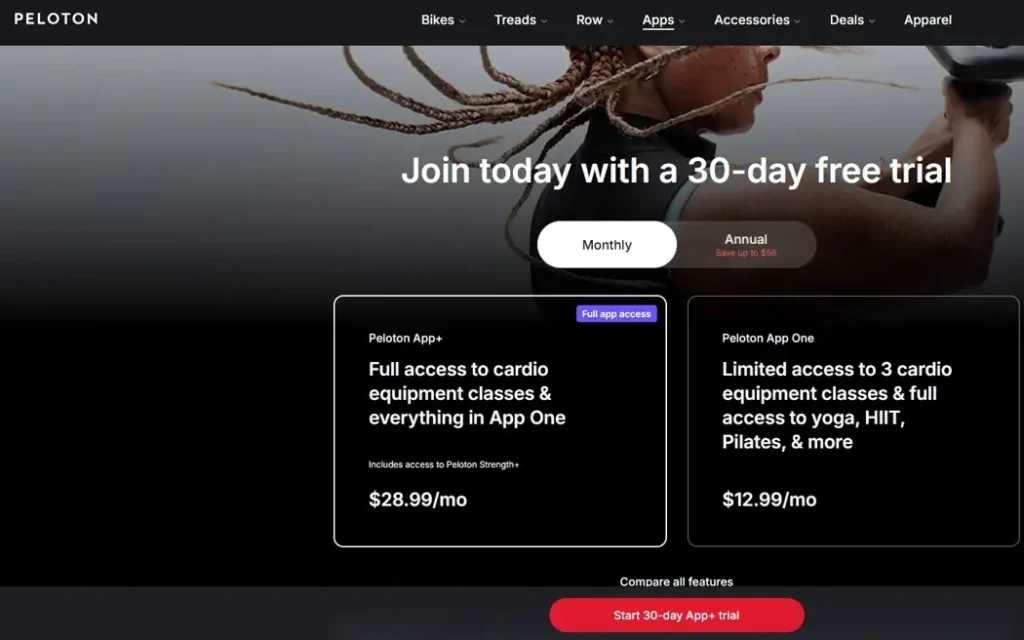
This is one leading example of an up-and-coming subscription-based model for class businesses—live classes as well as on-demand classes. Their biggest strength has been community-based. Peloton is a perfect example of how membership sites can develop into digital ecosystems that tightly integrate content and social interactions.
SWEAT by Kayla Itsines
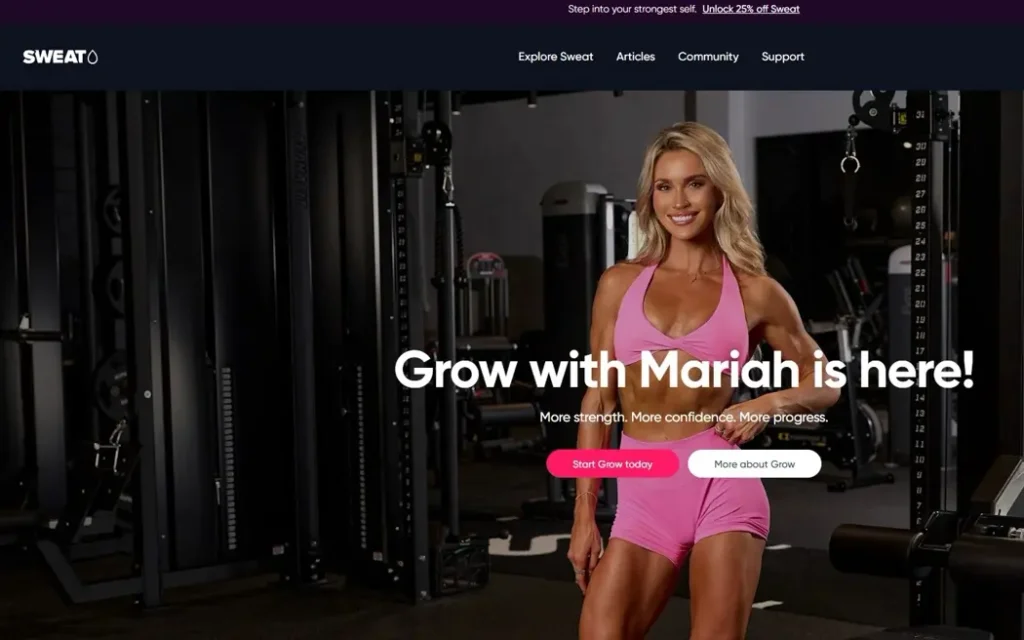
SWEAT by Kayla Itsines happens to be one of the top-performing fitness membership businesses owned by a creator. The app contains structured workout programs, progressive training plans, and community aspects that help women grow in their fitness journey. SWEAT has set the bar for subscription-based, influencer-driven fitness businesses to grow from social media to a global fitness app with millions of users globally.
Centr (Chris Hemsworth)

It is a premium subscription-based fitness ecosystem with a combination of workout routines and nutrition planning and mindfulness content. Centr is different compared to some of the more single-purpose fitness apps because it is an integrated overall wellness platform and provides an example of how fitness membership sites grow into larger lifestyle ecosystems to be able to increase the lifetime value (LTV) of each user.
MyFitnessPal
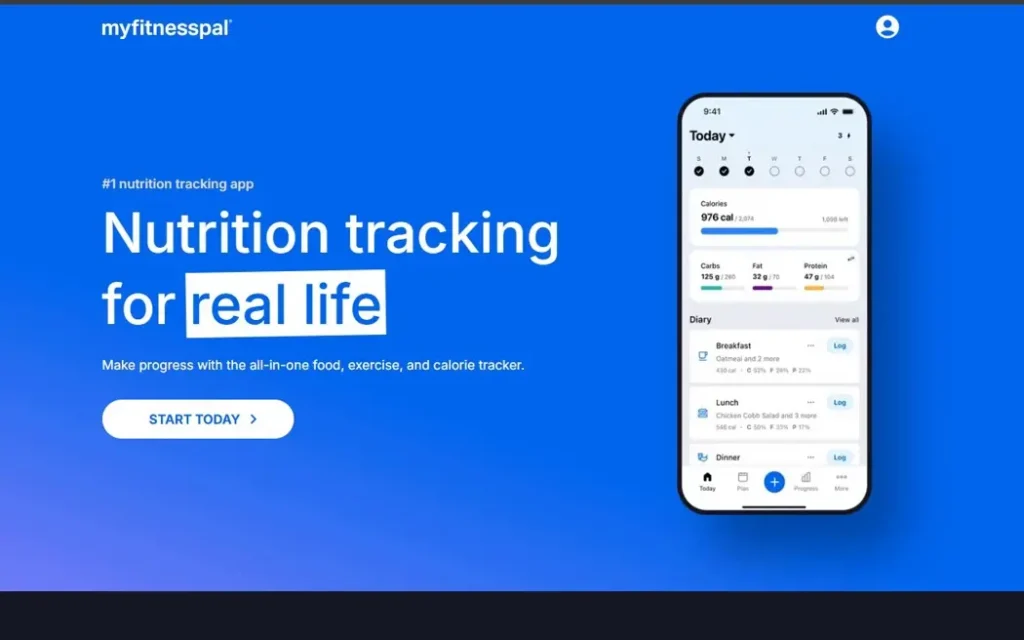
This platform’s hybrid nature means that it functions as both a tracking app and a fitness ecosystem. It’s not a traditional “creator-led membership,” but it offers an example of how data-driven personalized tracking and habit tracking can fuel expansion for subscription-based fitness platforms. By providing everyday utility instead of just providing content, there is potential for long-term retention.
Creator-Led Fitness Ecosystems (Emerging Trend)

Outside of the big-name platforms, a big trend in the year 2026 will be independent fitness influencers and trainers creating their own subscription-based fitness sites. Fitness influencers and trainers on Instagram and YouTube will continue to use direct-to-consumer membership platforms to monetize their content and create the following:
- A well-structured training program.
- An ongoing paid challenge.
- A private community of supporters.
- Live coaching sessions.
This shift from third-party app-based distribution models to independent brands illustrates an industry trend of who owns the audience and associated data being more valuable than how you distribute your brand or business by way of third-party apps.
Monetization Breakdown: How Fitness Membership Sites Make Money

Revenue Streams
A lot of these platforms will have a few main ways that they generate revenue:
- Subscriptions (the cornerstone of ongoing revenue).
- Upsell (premium products like programs, challenges, and 1:1 coaching).
- Add-ons (Nutrition Plans, Guides, and Premium Content, etc.)
- Partnerships (brand deals/affiliate offers).
When you combine subscriptions + upsells, that gives you a stable source to generate revenue on a consistent, predictable basis.
Pricing Strategy Overview

Establishing the best pricing strategy is important. Too low of a price prevents your business from expanding; too high of a price drops conversions.
Here’s a simple framework:
| Tier price (Monthly) | Features | Best for |
| Basic $10–$20 | Workout library | Beginners |
| Pro $25–$50 | Workouts + challenges + community | Regular users |
| VIP $70+ | Coaching + live sessions + exclusives | Advanced users |
This type of structure has proven to be successful, because it allows you to match the value to the price. Users begin at a low price point and are able to move up through the tiers as they feel comfortable.
How to Launch a Fitness Membership Site in 2026

Launching a membership platform is less about perfection and more about execution speed. Many fitness creators overbuild in the beginning, then delay launch for months. That usually hurts momentum. In reality, a lean launch with strong positioning often performs better than a polished but delayed product.
Step-by-Step Launch Process
In order to help decrease the level of uncertainty, many of the most successful product launches have adhered to a predictable pattern as indicated below:
- Define your niche and target market.
- Determine your pricing tiers and marketing position.
- Create an initial library (minimum viability) of content.
- Establish payment methods and membership access rights.
- Begin product launch with a small beta test group.
- Collect feedback from beta testers and make changes based upon their input.
- Expand your marketing activities and acquisition processes.
The focus of launching a product is to iterate on what you have at the time of the initial launch; you do not need all of your content created prior to launching; however, you do need enough for a customer to validate they want what you are offering.

Common Mistakes to Avoid
Many new online fitness companies make the same mistakes early on.
- First, they consistently produce content at an extremely high volume. Increasing the number of videos produced does not guarantee increasing the value of the videos produced. A focus on structure provides greater value than simply increasing the number of videos available.
- Second, these companies typically provide weak onboarding experiences. Once your user does not know where to begin, they will likely abandon your service. Implementing a simple onboarding flow will greatly enhance your user retention.
- Third, the hyperfocus placed by founders on acquisition causes the retention strategy to be neglected. Since a subscription’s future performance is predicated upon continued engagement through the subscription, it is imperative that any strategy have equal focus on both acquisition and retention strategies.
If your startup avoids making these mistakes in the initial startup phase, you stand to save yourself months of lost revenue or rebuild attempts related to these mistakes.
Build Your Fitness Membership Site With Scrile Connect
At some point, every serious fitness creator hits the same limitation: tools become fragmented. Payments are in one place, content in another, and community somewhere else. That’s where scaling gets messy. This is exactly the problem Scrile Connect was built to solve.
Why Scrile Connect Fits Fitness Businesses
Scrile Connect gives you a white-label infrastructure to build fully owned subscription platforms without stitching together multiple tools.
Instead of relying on third-party ecosystems, you get:
- Full control over branding.
- Built-in subscription management.
- Direct monetization tools.
- Scalable architecture for growth.
For fitness creators, this means one thing: ownership. Your audience, your pricing, your platform.
If you’re serious about building long-term revenue through fitness membership sites, the goal is simple: own your platform, control your audience, and reduce dependency on external tools. Scrile Connect is built for exactly that transition.
FAQ: Online Fitness Memberships
What are the best workout subscription apps compared to alternatives?
The primary features that distinguish the various workout subscription applications include:
- how specialized each application is;
- the user experience when using these apps.
There are four examples of such workout subscription applications:
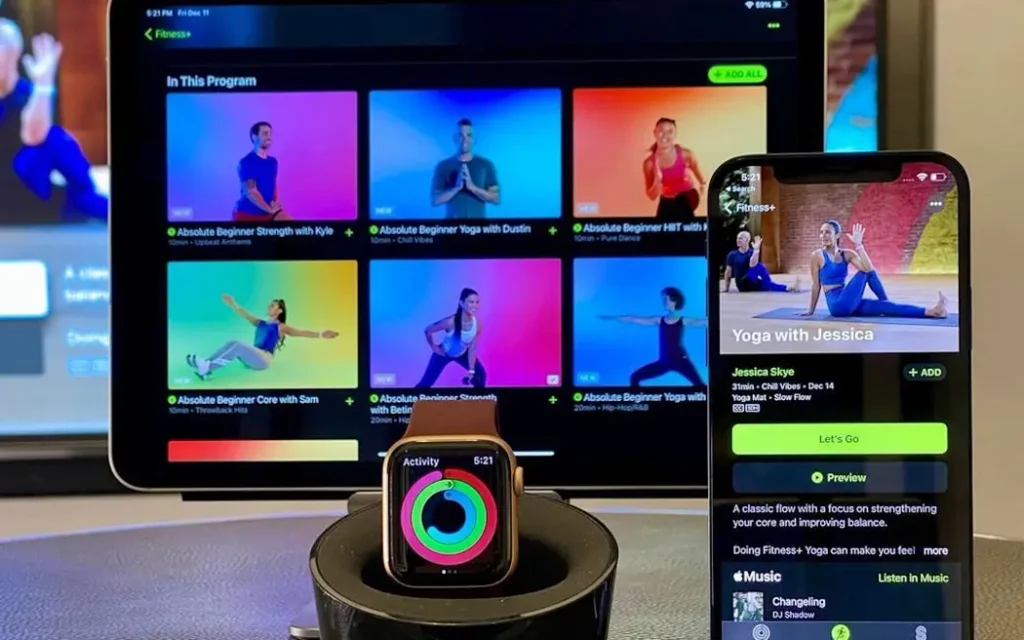
- Apple Fitness+ is best suited for simple guided workouts at home.
- Peloton is best suited for cycling and running or attending live classes.
- ClassPass offers members flexible access to multiple workout studios and gyms.
- CorePower Yoga’s primary focus is on yoga and mindfulness practices.
While all four of the above workout subscription applications do function very well as consumer products, they are closed ecosystems. Therefore, the creator of each workout subscription application does not own their audience or their data.
What is the cost of workout subscription apps, and are they worth it?
Most fitness applications can be found with monthly prices that range from $10 to $90 depending on which features are offered to members and whether those features are exclusive to that particular platform or available to all users of the fitness app.
User experience will provide value through frequency of use. If a person is working out 3–5 days a week, a $20 subscription would be more economical than the cost of taking a single class at an actual gym.
What is the best fitness website or platform overall?
“Best” depends on how we define it. If we look at big, consumer fitness websites, such as CrossFit, Planet Fitness, and MyFitnessPal, there are a lot of choices available. Each of these companies has developed their own training programs, community content, and tracking software but are mainly ecosystems based on content and brands.
If we talk about performance and money-making potential, the top model currently in the marketplace is an independent fitness membership site by a creator or brand. This model supports rapid change in content, allows for niche program launches, and enables building direct customer relationships much faster than established fitness web companies.
Consequently, multiple new fitness content creators are able to create more successful independent fitness websites—as opposed to solely using large fitness brands.
Why are fitness membership sites becoming more popular than apps?
Ownership and engagement make all the difference between creating an app vs. creating a fitness membership website. Apps offer convenience, but they limit creators from truly engaging with their users. However, by building a website that combines content, community, and commerce in one place, fitness membership websites remove those limitations.
Because of this, there are many more ways for users to create a stronger engagement loop with fitness membership websites than with apps:
- Users can follow structured programs.
- They can join communities.
- Users can participate in challenges.
- They are more likely to renew their membership over time.
Due to these engagement loops, fitness membership sites are quickly becoming the dominant way of growing a business in the fitness space long-term.
Can fitness creators actually make sustainable income from membership sites?
Yes, but only with the right structure. The most successful fitness creators do not rely on a single stream for revenue. Instead, they integrate the following:
- Month-to-month subscriptions.
- Participatory challenges.
- Premium coaching levels.
- Upselling (nutrition & 1 to 1 sessions).
