
Fan Engagement Software: Tools and Features
Compare fan engagement software features for creators, artists, and brands, including memberships, chats, content, merch, analytics, and payments.


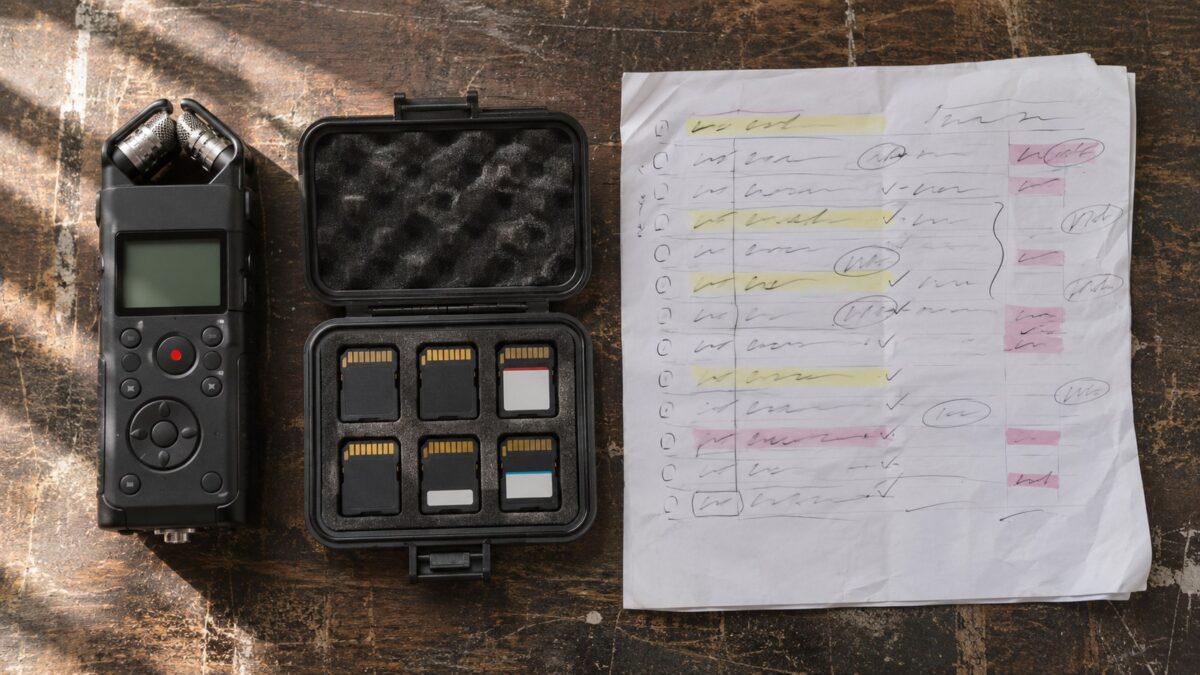
Artist manager checks a phone at a rehearsal-room doorway while a musician adjusts equipment for a video performance in daylight.
Quick answer
Fan engagement software helps teams identify fans, select relevant groups, deliver invitations or benefits, and measure what happens next. Keep a working fan site when segmentation and follow-up are the gap; replace it when essential access, branding or creator administration fails. Compare complete routes, including staff work and migration, over your intended ownership horizon. A branded destination and an engagement layer can belong in the same route.
Find the missing step in your fan journey
Fans can already watch the paid videos, yet previous ticket buyers still receive the same invitation as everyone else. Replacing the website feels decisive. It may also leave the actual problem exactly where it was: before the fan reaches the site.
Consider an illustrative five-creator agency delivering paid videos and a monthly live experience. Its manager wants a stronger branded website, but the existing destination passes the access test. What fails is the weekly invitation: nobody reliably selects the relevant buyers or checks their response.
Fan engagement software supports a loop: recognize a fan, select a relevant group, deliver an invitation or benefit, observe the action and choose the next contact. Social media tools can supply discovery and promotion; an owned community adds a destination and direct relationship. Keep that destination and add an engagement layer when coordination fails. Reopen replacement when essential access, branding or creator administration fails.
Compare fan engagement software by the job it performs
A fan CRM manages audience relationships; a community tool organizes participation; a membership platform controls publishing and paid access. A branded platform adds the operator’s presentation and creator administration. These buying roles overlap, so several tools may form one complete route.
| Role and example | Supported distinction | Boundary | Best-fit gap |
|---|---|---|---|
| Fan CRM: Openstage | Location, engagement, transaction and poll segments; triggered outreach | Purchase filters need connected or imported transaction data | Relevant audience selection and follow-up |
| Community: Circle | Dynamic member segments for workflows and broadcasts | Custom push requires branded apps and browser administration | Targeting within a member community |
| Membership publishing: Patreon | Free and paid posts, previews, scheduling and notifications | Does not establish a separate branded multi-creator administration route | Publishing recurring member benefits |
| Branded creator platform: Scrile Connect | Own-brand website, subscriptions, paid posts, messaging, live experiences and payout administration | Advanced lifecycle automation and cross-system reporting need separate demonstration | A destination for a branded creator business |
For the agency’s targeting gap, evaluate Openstage: build an audience using location and purchase filters, inspect matching profiles, then use Talk to open the broadcast builder with that audience selected. Purchase history requires connected commerce data or an import. A filter cannot remember a sale it has never received.
For recurring publishing, Patreon’s route is direct: create a post, choose free or paid access, inspect previews and notifications, then publish or schedule. Test as an eligible member and a free visitor. Posting works on desktop, phone browser and app, but controls differ; test the intended device.
A mobile-friendly website, a native app installed on a phone and custom push notifications are separate requirements. Circle’s custom push route requires its branded apps; staff create and review notifications in a browser. Review the recipient list, send a test to an administrator signed in to the branded app, and follow the link on the intended phones. Members must be signed in to receive the push, and device notification settings affect visibility. An app is justified when that delivery experience matters to the journey.
Scrile Connect combines branded subscriptions, paid posts, paid messaging, video calls, live streams and creator payout administration. Messaging does not establish automated reactivation. Distinguish private paid chat, peer discussion and staffed replies: each creates different access and moderation work.
Merchandise needs the same separation of jobs. Openstage can target merchandise buyers when transaction data is available; that does not establish a storefront or fulfillment service. Require a separate demonstrated purchase, delivery and support route if physical goods are essential. For the offer itself, fan club merchandise explores what to sell; it does not replace testing the software that will sell it.
Turn features into a journey suppliers must demonstrate
Give suppliers the same journey, with known eligible and ineligible accounts. Mark every essential step as native, integrated, manual with a named owner, or unsupported. A feature tick earns little credit if nobody can show the fan receiving the promised benefit.
- Audience accuracy: Can staff recognize fans, combine filters and exclude wrong accounts? Check duplicates and changed membership status.
- Communication and preferences: Demonstrate the invitation, withdrawn-preference exclusion, trigger or schedule, and exception owner.
- Destination access: Follow the link on a phone as a paid member and an ineligible visitor. Inspect both the benefit and restricted preview.
- Reporting and retained records: Separate delivery from participation. Inspect a sample export for readable identities, history and usable field definitions.
- Staff and creator administration: Demonstrate publishing, replies, moderation and correct profile access, plus earnings and payouts when essential.
Test London AND (Item A OR Item B): London fans who bought either item. Item A AND Item B selects buyers of both. In Openstage, inspect known accounts before saving and sending; purchase filters require connected or imported transactions. Include an eligible buyer, an out-of-area account, a duplicate, a withdrawn preference and a changed membership. Unexpected inclusion stops the send.
An illustrative weekly allowance is 45 minutes for audience review, 60 for content, 30 for reporting and 60 for replies and exceptions: 195 minutes total. A team with only two hours must reduce cadence or scope. Count manual transfers between tools; automating a send does not remove the replies.
Your brand and domain do not establish complete exports, unrestricted data rights or source-code transfer. Require exit deliverables separately. Consider custom development after an essential hosted workflow fails: specify its input, required behavior, output and acceptance example. Name implementation and maintenance owners, integration boundaries, migration and exit work. Scrile’s source-code purchase is separate from its hosted subscription. Keep the existing service running until replacement passes.

Compare complete routes over your ownership horizon
Only price routes that can deliver the same outcome. For the agency, that means the creator profiles, correct paid access, weekly targeting, monthly live benefit, usable reporting and a support owner. A cheaper destination that loses an essential step is an incomplete purchase.
The following procurement model is illustrative, not a vendor quote or customer result. Route A keeps the current destination and adds an engagement layer: $1,200 setup and $600 monthly. Route B replaces the destination while retaining the required engagement layer: $4,800 setup and $450 monthly. B includes the published Scrile Agency price of $199 per month plus a hypothetical $251 allowance for the remaining software, usage and operating work. No native Openstage–Scrile integration is assumed; data movement must pass its own test.
| Complete route | Setup | Monthly | 12-month total | 36-month total |
|---|---|---|---|---|
| A: keep destination + engagement layer | $1,200 | $600 | $8,400 | $22,800 |
| B: replace destination + engagement layer | $4,800 | $450 | $10,200 | $21,000 |
Total resource cost is setup plus months multiplied by recurring cost. At the agency’s illustrative 12-month horizon, A preserves $1,800 of resources, so the manager keeps the functioning destination and assigns an owner to the targeted journey. B’s extra $3,600 setup is recovered through $150 monthly savings at month 24. At 36 months, B is ahead by $1,800, provided both routes still demonstrate equivalent benefits and acceptable workload. A longer horizon changes the decision without assuming extra sales.
Setup includes loaded employee time and opportunity cost; recurring amounts include allocated labor. These are resource totals, not cash schedules or profit forecasts. Salaried work consumes capacity without necessarily adding payroll. Separately schedule subscriptions, external invoices, usage top-ups and overlapping contracts. Add quoted taxes, processing, migration exceptions and exit costs consistently. Scrile’s 0% platform commission leaves processing and operating expenses to pay.
The operating lead accepts the journey, the technical owner its data and access behavior, and the budget owner the horizon total. Replace estimates with demonstrated staff minutes and quotes. Reconsider if essential destination requirements fail or changes to workload, migration, usage or horizon reverse the comparison.

Measure the fan action and fix the first failed step
Keep selected audience, successful sends, unique opens, completed actions and later returns separate. They describe different parts of the journey. An aggregate engagement score or a notification tap cannot tell you whether the promised experience made someone return.
An independent illustrative campaign selects 200 members: 150 successful sends, 30 unique opens, 12 verified RSVPs and eight later attendees. Delivery is 150/200, or 75%; open rate here is 30/150, or 20%. Report RSVPs and attendance separately; counts do not prove causation. If campaign and destination records cannot be reconciled by fan, attribution is unavailable.
Define 30-day retention as first-week participants completing another specified meaningful action within 30 days, divided by the fixed first-week cohort. Illustratively, six of 20 is 30%. For proposed reactivation, select fans inactive for the preceding 60 days; divide meaningful returns within 14 days by eligible inactive fans contacted. Four of 40 is an illustrative 10%, not a benchmark.
Check eligibility, triggers, sending, visibility, access and benefit value in order. Openstage checks audience filters after a trigger, so triggers can exceed sends; automated SMS stops without credit. Circle members must be signed in for custom push; device settings can hide a delivered message. These failures do not establish that the event was unappealing.
For a proposed reactivation cycle, send one relevant invitation, then one reminder after seven days only to eligible nonresponders. Stop at day 14 and suppress further reminders for that cycle using the channel’s preference controls. Pause immediately for wrong recipients or exposed restricted content. Inspect sign-in, permissions, filters, SMS credit and access before resuming. If delivery and access work, ask fans about relevance before increasing frequency.
For the agency’s next weekly invitation, selected London ticket buyers receive: “Your rehearsal video is ready. Watch it on the member site you already use.” The acceptance outcome is an eligible account reaching the correct video and an out-of-area account being excluded. This is the proposed test, not an observed result. If the eligible fan is denied access, fix it and retest before sending; a failed essential destination requirement reopens replacement.

Test a branded destination when that is the missing capability
The agency’s current decision is to keep its destination. A different reader may have the opposite result: fans cannot reach the paid benefit, or staff cannot run the creator profiles under the required brand. That is when a destination trial becomes useful.
If the unresolved question is where the artist’s community should live, fan engagement platform for musicians examines destination choice. For membership access and monetization, continue with fan club software. Another gathering place will not automatically produce a relevant invitation.
For creators, artists and membership-driven brands needing a hosted branded website, test presentation, fan access, communication and staff administration before migration. The agency’s five earning profiles fit Scrile Agency’s scope of up to 10. A working representative journey establishes destination fit; it does not establish event-triggered lifecycle automation, complete exports, native-app delivery or an integration with the existing engagement layer.
Try the destination before moving the audience
Scrile Connect is a hosted white-label destination for subscriptions, paid content, messaging, live experiences and creator administration. If that is your missing capability, use Explore Scrile Connect to start the Agency 14-day trial through the signup form. Enter the requested subdomain, contact details and use case, then use onboarding to prepare one representative creator profile and content journey. The result should be a reviewable branded website where an eligible fan reaches the benefit and staff manage the correct profile before migration.
Frequently asked questions
Is fan engagement software the same as social media management?
No. Social publishing supports promotion; engagement software supports audience selection, direct communication, benefit delivery and follow-up. A team can use both.
Can we keep our existing fan website?
Yes, when it delivers essential access and benefits. Add audience coordination if that is the demonstrated gap, and test the connection between tools.
Which tool role fits a solo creator publishing paid content?
Patreon is a candidate for free and paid publishing with audience controls, scheduling and notifications. Test both the paid benefit and public preview.
Do fans need to install an app?
Only when the required experience depends on one. A mobile-friendly website is a separate option; custom push has app, sign-in and device prerequisites.
Does purchase-history targeting include a merchandise shop?
No. Selecting previous buyers does not establish a storefront, shipping or fulfillment. Demonstrate the complete goods-sales route separately.
What should we ask about data portability?
Request a representative export and inspect its identities, history and field definitions. Agree on contractual exit deliverables rather than relying on branding claims.
When is custom development justified?
When an essential workflow fails the hosted acceptance test and the business can assign implementation and maintenance ownership. Specify the missing behavior before commissioning it.
Does a white-label subscription include source-code ownership?
Do not assume it does. Brand and domain control, data rights and source-code purchase are separate procurement terms; Scrile offers source-code purchase separately.
